
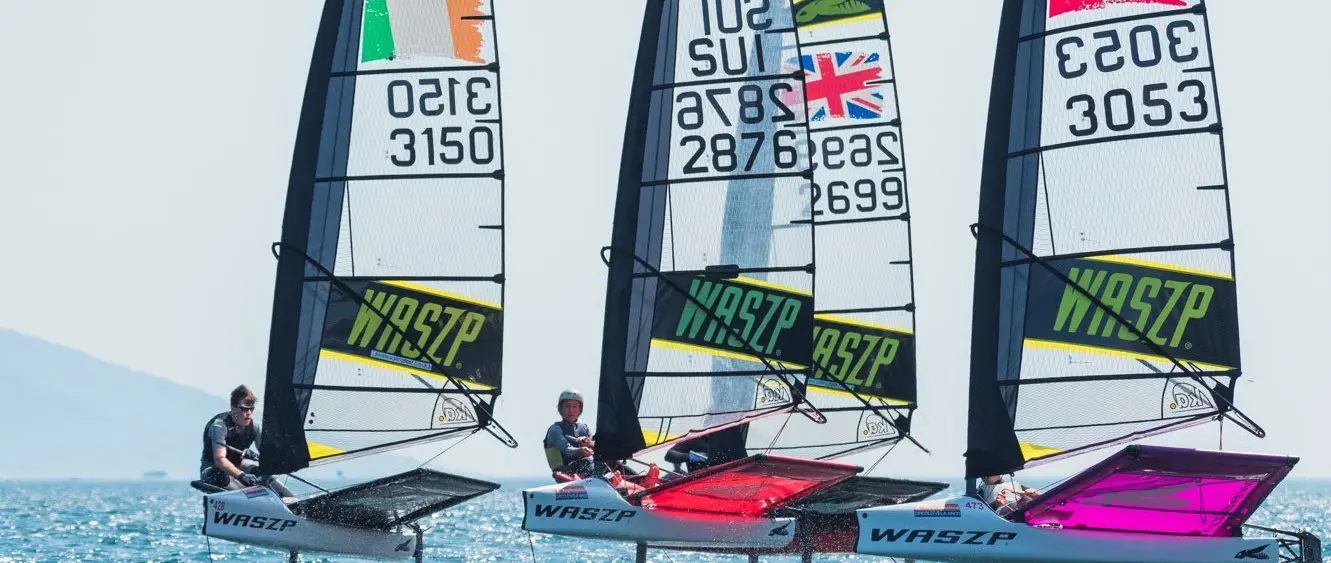
The WASZP has been approved as an official World Sailing class, marking a significant governance step for one of dinghy sailing's most visible one-design foiling fleets. According to the WASZP class's original statement, the World Sailing Council confirmed the decision on 21 November 2026 after the class applied in December 2024. The recognition follows the formation of the sailor-led WASZP International Class Association, known as WICA, in June 2026 and the adoption of new class rules written in World Sailing's required format. The announcement should not be mistaken for an Olympic-class selection, a finished world championship or automatic financial support for every sailor. Its significance is more structural: a boat that built an international racing community outside the traditional framework now has access to a formal class pathway and a common basis for national-affiliate engagement.
What recognition actually changes
World Sailing class status establishes a more formal relationship between a class association and the international governing framework. The WASZP statement says this opens the way to officially recognised World Championships, with future details to be confirmed rather than an event already awarded in the announcement. For individual sailors, the value may lie in clearer class governance, published technical rules and easier recognition within national sailing associations. These changes do not alter the physical boat overnight. They require the class to maintain fair rules, transparent decision-making and workable procedures as its member base grows. The immediate news is an approval and an opportunity, not proof that every predicted benefit has already arrived.
The application began in December 2024
The class says it filed its formal application almost two years before receiving approval. That timescale is relevant because official status is not simply a marketing badge granted after a popular regatta. An international class must show that it can organise sailors, apply consistent equipment rules and operate within a recognised framework. The source does not release the entire application dossier, so it would be inaccurate to attribute the final decision to one individual document or an invented inspection. The confirmed sequence is sufficient: application in December 2024, important association and rules changes in 2026, followed by Council confirmation on 21 November. That sequence gives the announcement more substance than the completion of a simple name-registration exercise.
A sailor-led class association formed in June
WICA was established in June 2026 with its own constitution and a governance model led by sailors. A formal association can help separate the commercial interests of a boat's manufacturer from the responsibilities of the people running racing, rule interpretation and membership representation. That separation is not evidence of any dispute between the two; it is a governance principle that can strengthen confidence as a one-design class expands. Sailing associations may face questions about equipment eligibility, regional representation, event allocations and dispute resolution. Clear procedures help participants know where those questions belong. The WASZP statement positions WICA as an important requirement in the move towards recognition, rather than as a decorative body created after the decision.
Why class rules matter in one-design sailing
One-design racing depends on competitors being able to trust that the technical differences between boats are controlled within published tolerances. Foiling adds additional sensitivity because foils, rig configuration and control systems can significantly affect performance. The announcement says the 2026 WASZP Class Rules were written in World Sailing's standard format in anticipation of recognition. That does not mean every historic technical question has disappeared, but it should provide a more coherent basis for sailors and measurers to discuss compliance. Owners must still use the latest rules and check with their national association or class officers before modifying equipment. A part that fits mechanically is not necessarily legal for class racing.
A decade of growth before formal affiliation
WASZP identifies its first ten years as a period in which the boat, racing fleet and community grew substantially outside the older class framework. It is reasonable to describe the model as an accessible pathway into foiling relative to some higher-budget professional classes, but absolute affordability depends on equipment cost, coaching, travel and repairs in the sailor's own market. The class's success cannot be reduced to one ownership price or membership figure not supplied with the recognition release. Its distinguishing feature is the combination of exciting performance and a structured one-design race environment. World Sailing recognition adds institutional expectations to that existing community without requiring the class to abandon the character that drew people to it.
A pathway from youth sailing to more advanced foiling
The designer Andrew McDougall says a principal ambition is to make foiling accessible to a wider group of sailors. The class describes participants ranging from newcomers to experienced older competitors and Masters sailors. That breadth matters because a useful development class must be more than a technical demonstration at an elite regatta. Clubs need coaching resources, suitable launching infrastructure, realistic sailing areas and people who can help newer sailors manage the learning curve safely. Formal recognition may make it easier for national authorities to place WASZP within a broader development strategy, but it is not an automatic guarantee that a local club will obtain funding or support boats. Those decisions remain with individual organisations.
What national federations may gain
The statement emphasises the possible value of national-sailing-federation involvement in fleet development and structured programmes. A recognised class can become easier to incorporate into national calendars, training initiatives or youth progression when governance and class rules are already clear. At the same time, the needs of national associations differ. A federation serving a large foiling fleet may prioritise regional coaches, while one with only a handful of boats may focus on shared equipment and travel. The recognition is a framework rather than a set of identical outcomes for every country. Measuring success will require observing how real fleets and clubs use the opportunity over the coming seasons.
World Championships are a prospect, not a result
The class says official World Championship status is now available as a future route, and that further details for 2027 will be confirmed when ready. Readers should distinguish that long-term pathway from the existing WASZP Games events, which have their own published notices and racing structures. An association receiving status does not imply that a particular historical Games edition was retroactively awarded a different title. Event organisers must still publish eligibility, format, measurement rules and protest procedures as appropriate. For a competitor budgeting for 2027, the most reliable information will be the official notice of race for the actual event they intend to enter, not a broad inference from the governance announcement.
A more formal role for equipment measurement
Technical rule standardisation can have practical implications for used boats and replacement components. Sailors who buy a second-hand WASZP should identify the exact boat version, rig and modifications, then check the class documentation before committing to championship racing. Measurement and class compliance are separate from whether a boat is safe or convenient for local recreational sailing, although both deserve attention. International consistency may make cross-border participation easier, but the current announcement does not introduce a new public equipment inspection schedule or a change to the design's underlying engineering. Technical officers should publish such details through the official class channels rather than leaving owners to rely on hearsay.
The importance of keeping the community involved
WASZP's leadership stresses that formal recognition should not sacrifice the fun, energy and mixed-age character of the class. That is a meaningful organisational challenge. More formal championships can bring higher expectations for administration, rules and competition, while many members may have joined for accessible racing and social connection. The association will need to make decisions transparently so that local sailors understand how their class is being represented. A responsive governance structure should be able to hear both the ambitious young racer seeking international opportunities and the established club sailor who values a manageable calendar. Neither interest needs to be dismissed if the association makes its priorities explicit.
A distinction between recognition and Olympic selection
World Sailing class status does not make WASZP an Olympic equipment class. Olympic equipment choices and event programmes follow different processes and decisions, with long lead times and separate criteria. The official recognition article does not claim such an outcome, and reporting should not imply one. The immediate opportunity is to improve international governance and provide another route for competitive foiling experience. That may complement broader sailing pathways without requiring an assertion about future Olympic inclusion. Young sailors, clubs and sponsors should make plans based on confirmed class events and currently published rules rather than a speculative prediction about where the boat may appear several Games cycles from now.
What owners and clubs should do next
The practical next step is to review the official class statement and the published class rules through authorised WASZP or WICA channels. Club leaders can then consider the equipment, safety-cover and coaching requirements for their own water, rather than treating foiling as interchangeable with conventional dinghy training. Owners may want to clarify membership, event eligibility and the documentation needed when travelling internationally. The recognition creates a credible basis for future official championships, but a careful owner still needs the specifics for their selected event. For the wider small-boat market, the milestone shows how an innovative dinghy class can mature institutionally without losing sight of its existing racing community.
Explore related Leisure Boat Guide reporting
- World Sailing Approves 2027 Para Classification Rules and RS Aero Class Status
- Ryde School Wins RYA Schools Match Racing Title with Eight Straight Victories
- RYA Youth Nationals Set Weymouth 2027 Dates for Dinghy Fleets
- Angel of the North Team Racing Returns to Derwent Reservoir on November 28–29
Primary reporting and image credit
Primary manufacturer and organiser source(s): https://waszp.com/news/waszp-world-sailing-class-status/. © WASZP / Anna Suslova. Original class photo of foiling fleet, not a photograph of the World Sailing Council meeting. Image is used only for correctly attributed factual editorial coverage and never represented as open-licence stock photography.