The Royal Yachting Association has confirmed that its 2027 Youth National Championships will return to the Weymouth and Portland National Sailing Academy, with racing and associated activities scheduled for 27 March to 2 April 2027. The announcement, dated 16 November 2026, also establishes a significant organisational decision: youth classes are to come together at a single championship venue. This is not merely an address change for competitors. A national youth event brings together sailors, coaches, parents, class associations and volunteers, and the RYA says feedback from those groups influenced the decision to reunite the classes. Full eligibility and entry requirements have not yet been published. That distinction is important for families planning the season, because an event announcement establishes the location and calendar window but should not be mistaken for a complete notice of race.
One championship site for the youth fleet
The governing body's stated aim is to create a stronger shared championship atmosphere. When different classes gather in the same place, sailors can see how others prepare boats, approach racing and manage the demands of a regatta, even if their own starting sequences and courses differ. For young competitors this can add a social dimension to the technical one. A sailor arriving with an individual class team may also feel part of a wider national pathway. Those possible benefits are an interpretation of the announced format rather than measured outcomes. Each participating class retains its own equipment, training needs and competitive characteristics. Bringing people together should not be read as a suggestion that fleets with different speeds or handling characteristics will race on identical courses.
Why Weymouth and Portland has been chosen
The Weymouth and Portland National Sailing Academy is an established high-performance and event venue in Dorset. In its announcement, the RYA highlights the successful delivery of the 2026 iQFOiL World Championships at the venue as evidence of its capacity to host major competitions. Organising an event for multiple youth classes is nevertheless a distinct undertaking, with launching spaces, storage, shore operations and race management all requiring coordination. Sailors may approach the venue with different levels of familiarity. Those who have sailed there before cannot assume that every course, traffic arrangement or shore procedure will be unchanged in March. The formal event instructions, when released, should take precedence over expectations based on past regattas or general experience at the academy.
What the dates mean for families
The dates run from Saturday 27 March to Friday 2 April 2027. For families arranging travel, school commitments or equipment transport, this advance notice is valuable even before entries open. A youth dinghy programme often involves parents or guardians as well as the sailor, particularly when boats must be towed or carried to the venue. Accommodation, trailer parking and spare equipment may need early attention. However, owners should not make assumptions about the exact first registration time, class-specific measurement arrangements or racing schedule. None of those details has been fixed in the initial press statement. The prudent approach is to record the dates, check the RYA's official championship updates and wait for the Notice of Race before interpreting any preliminary plan as an instruction.
A pathway rather than one isolated week
A national championship can be a focal point for a young sailor, but competitive development happens over months of club sailing and supported practice. Basic seamanship, reliable launching and recovery, clear communication with a coach and appropriate decisions about conditions all help a competitor turn training into useful experience. Results matter in a championship, yet a single score sheet does not capture every development in boat handling, judgment and resilience. This broader perspective matters to smaller clubs whose sailors may be attending a national event for the first time. They can prepare participants by discussing what the week will involve, practising independent routines and setting achievable personal goals alongside any competitive ambitions. The new venue announcement gives a date around which that preparation can be organised.
Feedback behind the shared format
The RYA says it listened to sailors, parents and class associations, and that a repeated theme was the value of bringing youth classes back together. Alistair Dickson, its Head of Pathway, has acknowledged the need for continuing discussion as the championship takes shape. That leaves room for the detailed design to evolve. An event can bring fleets into a shared venue while still making class-specific provision for different launch times, boat storage requirements and coaching arrangements. A successful common-venue approach will depend on practical delivery as much as the idea of togetherness. There is no basis in the announcement for claiming that every stakeholder agreed, that all prior concerns have been solved or that the final championship format is now beyond revision.
The small-boat operational challenge
Youth racing uses craft for which preparation and on-water safety deserve serious attention despite their modest dimensions. A dinghy that can be moved by a small crew may be affected rapidly by changing wind and waves. Rigging checks, buoyancy equipment, suitable clothing and reliable communication with shore teams are therefore part of the competitive environment. Support boats and rescue arrangements must also reflect the actual conditions and the types of craft being sailed. The organisers, rather than this report, will specify event-specific safety procedures. Families and clubs should consult those instructions and the relevant class rules. Reporting about the championship should never imply that a place in a national fleet substitutes for competent supervision or appropriate training.
Shared experience across different classes
The appeal of a combined youth event includes the chance to meet peers whose sailing experience differs. Some young people progress from club dinghy sailing into specific racing classes; others explore boards or other performance disciplines. Their preparation, budgets and ambitions are not identical. A gathering at one venue may broaden awareness of alternatives without requiring any participant to change class. It can also make the workings of a large regatta more visible, from briefing rooms and race offices to shore volunteers and maintenance teams. That behind-the-scenes education has value even for sailors whose eventual interest is club participation rather than international competition. A national event should be judged by the quality of its sporting experience and development opportunities, not only its final medal table.
What clubs can do now
Local clubs can use the announcement to review how they support younger sailors approaching a national championship. A practical conversation might cover transport, safeguarding, appropriate insurance, coach availability, equipment condition and the family costs of travelling. It can also consider whether a sailor is ready for the demands of racing away from home, and what alternative competitions or training would support development if they are not. Early enthusiasm should be matched by honest expectations. The academy may be a familiar national venue, but a week involving multiple fleets can still be busy and demanding. Clubs can help first-time entrants by connecting them with experienced families and by following the organiser's eventual guidance rather than informal claims on social media.
The importance of verified entry details
As of the RYA's 16 November announcement, full information about eligibility, the formal Notice of Race and the entry process is still to follow. The statement does not provide a complete class list, entry fees, closing dates or selection implications. Those gaps should not be filled by copying assumptions from earlier editions. Families should wait for official documents before making class-specific decisions, especially where qualification or ranking consequences might matter. The event's published date range also should not be treated as confirmation of each day's racing start time. If revisions are announced, they should be checked at the source. That is especially important for a championship involving multiple classes that may have distinct competition schedules and equipment requirements.
Why the decision has a wider audience
The relevance of this announcement goes beyond competitive sailors planning one journey to Dorset. It touches a familiar question in junior sport: whether separating specialist pathways creates better technical conditions but weakens the experience of belonging to a wider community. The RYA's choice indicates that the shared event is again being given significant weight. That does not prove one format is universally better. It provides an opportunity for the organisation to evaluate the experiences of young sailors, families, volunteers and class associations after the championship. For the leisure-boat sector, national youth programmes also help sustain the small-boat clubs, training centres and supply businesses that introduce people to responsible time on the water.
Photography and the next milestones
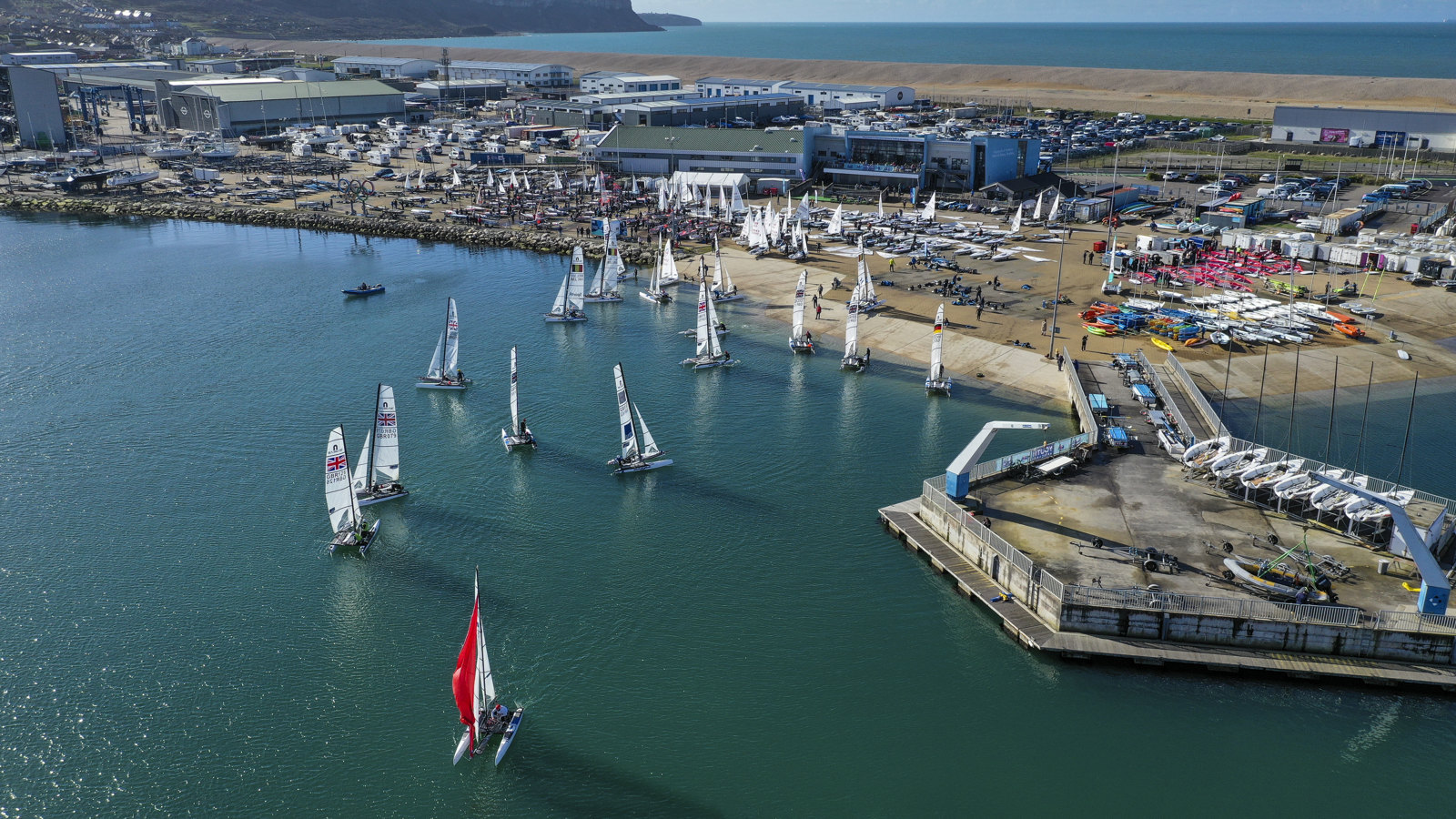
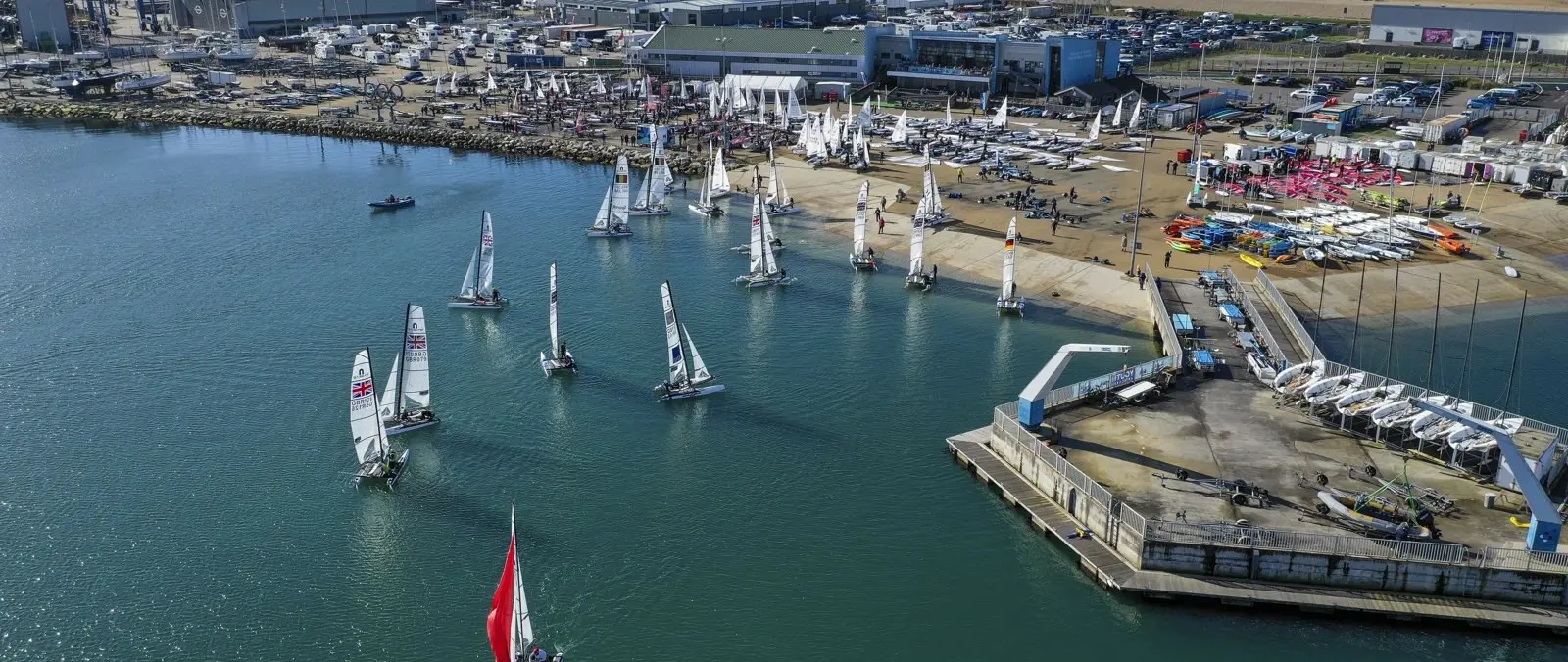
The accompanying image is an official RYA youth-sailing photograph credited by the association to Paul Wyeth. It illustrates established youth dinghy competition; it is not a picture from the still-future 2027 championship. The confirmed news remains the return to Weymouth and Portland, the 27 March to 2 April 2027 period, and the intention to host youth classes together. The next substantive editorial milestones will be the Notice of Race, class and eligibility information and practical entry instructions. Any later reports on participation, racing or results will require separate verification after the relevant events take place. Until then, the most useful message for clubs and families is to note the date, plan responsibly and follow the organiser's official channel for the documents that govern participation.
Sources and image attribution
Primary reported announcement: https://www.rya.org.uk/news/youth-nationals-2027/.
Official photographic provenance: https://www.rya.org.uk/news/youth-nationals-2027/. Image supplied by the originating organisation, credited in the photograph title; original copyright remains with the rights holder. Official image file. The photographs are documentary or clearly labelled archival illustrations, not evidence of events that have yet to happen.