A significant decision for inclusive small-boat sailing
World Sailing's Council has unanimously approved new Para Sailing Classification Rules scheduled to take effect in January 2027. The decision came during the federation's November 2026 Annual Conference and General Assembly in Qingdao, China, and was reported in an official 23 November statement. The rules are intended to bring sailing's eligibility and assessment system into line with the International Paralympic Committee's 2025 Classification Code, informed by medical research and athlete consultation. The same meeting approved applications for World Sailing Class Status from the WASZP and RS Aero 6 and 7, subject to final contract signing. These developments concern different aspects of the sport, but all are relevant to the world of small sailing craft: who may compete in para events, how classes are recognised, and how national associations organise participation.
What classification is intended to achieve
Para-sport classification is a structured way of determining eligibility and grouping athletes according to the impact of eligible impairments on activity within a particular sport. It is not a universal measure of a person's overall ability, nor is it intended to assign personal value. In sailing, the relationship between an athlete's impairment and activities such as steering, trimming and moving within a boat must be considered under the applicable classification framework. Rules need to be clear so that competitors can understand the process and events can be administered consistently. The World Sailing announcement confirms approval of a revised system but does not reproduce every detailed assessment procedure in the news release. Sailors and organisers must consult the final published rules for individual eligibility questions.
The January 2027 implementation date matters
The federation says the new Para Classification Rules are due to be implemented in January 2027. That timing gives national organisations, event administrators and participants a defined period in which to prepare for the change. Athletes may need to review the information that will be required, while event organisers will want to understand the operational procedures that follow from the new code. A planned implementation date is not the same as a claim that every athlete's eligibility will change or every existing classification will be withdrawn. Such conclusions would require analysis of the final rule text and the relevant transitional provisions. The practical message is that the international governing body has adopted a new framework and has provided a timeframe for its introduction.
Alignment with an international code
World Sailing explicitly connects the revised sailing rules with the International Paralympic Committee's 2025 Classification Code. Alignment matters because para athletes may participate in several sports or encounter organisations applying related principles of eligibility and assessment. A common set of underlying standards can support clearer administration, although sport-specific rules remain necessary because the physical tasks of sailing differ from those of athletics or cycling. It would be misleading to assume the sailing rules are simply identical to the IPC Code word for word. The federation says the new system has been developed with medical evidence and athlete consultation. That consultation provides context for the decision, but the final quality of implementation will depend on how the rules are communicated and applied at events.
A unanimous decision still needs careful implementation
Unanimous Council approval is a strong formal indication of agreement among the voting body. It does not mean the classification process will be effortless or that every participant will have exactly the same experience of a new assessment system. Sport-specific classification can involve detailed questions about individual needs, evidence and practical evaluation. Competitors deserve clear explanations and routes for raising questions under the relevant procedures. National authorities and event organisers need access to properly trained personnel and accurate documentation. The governing body's official announcement reports the decision; it does not offer a comprehensive operational guide for all future events. The meaningful next step is to use the final rule documents when arranging competition, rather than relying on a short media summary.
Why small dinghies matter in para sailing
Inclusive sailing programmes often use compact, purpose-designed or adapted dinghies and keelboats because they can provide accessible and competitive opportunities close to local communities. The boats and support systems vary between classes, and a sailor's needs cannot be inferred from a photograph. A six-metre or smaller craft may be part of a highly organised racing environment, with shore access, safety support and trained volunteers all contributing to participation. Classification is one part of making that competition fair, but not the whole story. Boats must still be appropriate, equipment maintained and events administered safely. The World Sailing decision addresses eligibility and assessment within the sport rather than the complete range of accessibility barriers that clubs may encounter.
WASZP moves closer to official class recognition
The Council also approved an application for World Sailing Class Status from the WASZP, subject to final signing of contracts. The WASZP is a singlehanded foiling dinghy class that has become known for enabling sailors to train and race with hydrofoiling technology. The class's small dimensions put it squarely within the recreational and performance sailing world covered by Leisure Boat Guide. Formal recognition is an administrative development, not evidence that every WASZP race is automatically an official world championship or that all technical class rules have changed overnight. The qualifying condition in the announcement is important: the agreement remains subject to contractual completion. Any precise implications for championships or event recognition need to be confirmed after the contracts and relevant class procedures are finalised.
RS Aero 6 and 7 receive approval subject to contracts
The RS Aero 6 and RS Aero 7 were also approved for World Sailing Class Status, again subject to final signing. These are rig configurations within a lightweight singlehanded dinghy family, offering sailors ways to choose a sail plan appropriate to conditions and their experience. The formal class-status announcement does not provide a performance comparison between the two rigs or prescribe which one every sailor should use. Nor does it guarantee that participation will expand by a particular amount. It establishes a governance decision affecting well-known small-boat racing equipment. Sailors considering a class should still look at local fleet strength, available coaching and the rules actually used by their club and national authority before assuming that an international administrative change will alter their sailing programme.
Melges 32 status is to be withdrawn
World Sailing's statement also reports approval of the withdrawal of World Sailing Class Status from the Melges 32 class. This part of the announcement should not be confused with a ban on private ownership, racing or sailing the boat. Class recognition and the existence of a design are different matters. A withdrawal may affect the federation's relationship with the class and its recognised status, but it does not establish that individual yachts are unsafe or that owners can no longer use them. The Melges 32 is approximately 9.7 metres long and therefore within the size category of smaller recreational keelboats. Anyone needing the exact consequences for future events should consult the class association and the governing body's current regulations.
The Council also reviewed Olympic events
Four Olympic sailing events are currently under review through World Sailing's regulation process. At the Qingdao meeting, Council rejected recommendations from the Events and Equipment Committees concerning those events by a large majority and then voted to extend the process until 31 May 2027. The federation reports an 86 per cent majority on the rejection and 98 per cent support for the extension. This is a separate decision from the para classification approval and the class-status applications. It reflects an intention to re-examine recommendations in light of the International Olympic Committee's evolving criteria, including global appeal, cost and complexity, and athlete representation. No final replacement event or equipment choice should be inferred from this vote.
Costs and accessibility enter the policy conversation
The IOC's stated attention to cost and complexity is relevant to small-boat sailors because equipment costs can affect who participates in high-level competition. Boats, sails, training, travel and support services all require resources, and changes to a major international programme can influence national pathways over time. However, a policy review is not the same as a published budget or a guarantee that a particular class will become cheaper. The World Sailing announcement reports the reasons for further consideration rather than announcing a financial solution. The relevant question for clubs and athletes is how future decisions will be supported by transparent evidence about accessibility and the practical experience of competitors, especially those travelling from countries with smaller sailing programmes.
Youth sailing regulations were addressed too
The federation says a revised policy for the Youth Sailing World Championships passed by a 99 per cent majority. Young sailors are an important part of the sport's development system, and changes in event policy can have consequences for national programmes and organisers. The short press release does not detail every amendment, so individual requirements should be checked in the published regulation before being described as new obligations. It would be inappropriate to invent entry limits or age categories from the vote count alone. What can be verified is that the Council conducted governance work across para, youth and Olympic sailing at the same meeting. Those separate strands all affect the structure within which small-boat sailors may progress from club participation to international competition.
Anti-doping and other governance changes
The meeting also approved a revised World Sailing Anti-Doping Code reflecting updated international standards, and dealt with wider participation and governance policies. These topics can become contentious, and each should be considered under the governing body's actual documents rather than simplified into a single story about eligibility. The main para-sailing decision concerns a specific classification framework; it is not a substitute for understanding any separate athlete participation or anti-doping policy. Sailors and national associations will need accurate current text for the rules that apply to them. The Council's broad agenda demonstrates the administrative work required behind international sport, even when spectators mainly see the excitement of racing on the water.
The national association connection
World Sailing operates through member national authorities, including organisations that support clubs, classes and development programmes. The Qingdao meeting approved the Uzbekistan Sailing Federation and Palau Sailing Association as new member national authorities, broadening that network. These decisions are separate from the class and classification matters but help illustrate the global scale of the federation's responsibilities. A change approved internationally may eventually need to be translated into national guidance, training and event procedures. That process requires coordination and clear communication. A local dinghy club should look to its own national association for implementation details while preserving a direct link to the World Sailing rules that provide the international framework.
What sailors and event organisers should check
The first practical step is to identify which part of the announcement is relevant: a para classification issue, a class-recognition question or a different competition regulation. The next is to locate the formal documents and their effective dates. For para competition, individual eligibility and assessment requirements must be taken from the adopted rules, not from this news report. For WASZP or RS Aero events, organisers should check whether the contracts associated with class status have been signed and what event requirements follow. Those are precise administrative tasks, not general predictions about how popular a dinghy will become. Clear distinctions help sailors prepare without allowing an exciting headline to overstate the regulatory changes.
The first-party decision record
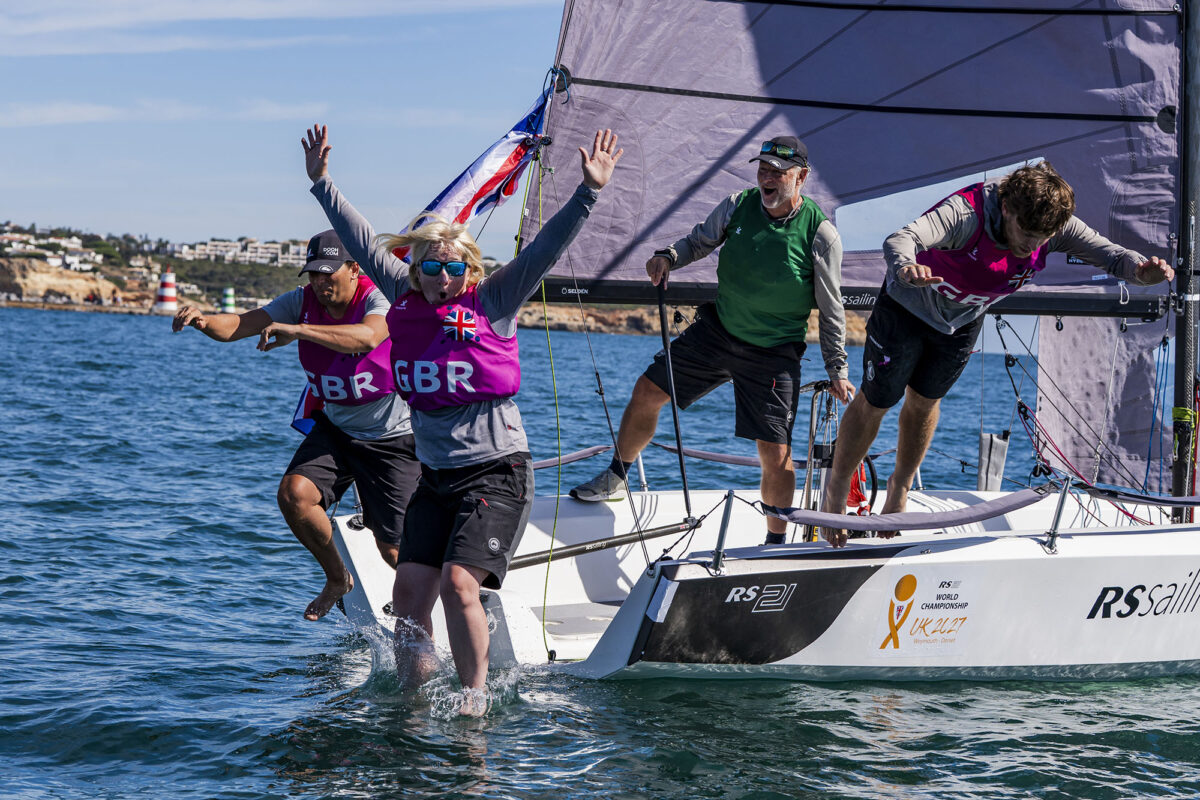
The [official World Sailing report dated 23 November 2026](https://www.sailing.org/2026/11/23/world-sailing-council-unanimously-approves-new-para-classification-rules/) confirms unanimous approval of the new Para Classification Rules for January 2027 and the conditional class-status approvals for WASZP and RS Aero 6 and 7. It also documents the Olympic review extension and the Melges 32 class-status withdrawal. The accompanying World Sailing photograph is an archival 2026 sailing event image used for context, not a photograph claimed to show the Qingdao vote itself. No unpublished classification decision, individual athlete eligibility finding or completed class contract is asserted here. The significance for the small-boat world is that participation and class recognition continue to evolve through formal governance, with details that matter to sailors long after a conference concludes.
Original industry sources and image credits
Reporting based on Original first-party World Sailing governance and class announcement.
Lead image: Official World Sailing 2026 event photograph from current para sailing rule-change press announcement. © World Sailing / original regatta photographer. Official October 2026 contextual sailing event photograph; not a photograph of the Qingdao vote.. Original supplier image.