
The International OK Dinghy Association has confirmed that the class will have a start at the 55th Princesa Sofía regatta in Palma, Mallorca, from 18 to 21 March 2027. Its official announcement dated 19 November 2026 credits the Spanish OK Association and thanks the management at RCNP for including the one-design dinghy in the event. The class also plans its established BM Composites regatta on 13–14 March, with opportunities for further training and racing in the intervening week. This is a significant calendar development for sailors who own and race a compact single-handed dinghy, rather than a new boat design or an already completed competition. The organiser's notice does not name winners, provide a final entry count or claim that the OK Dinghy has joined an Olympic equipment slate.
A place on an established international sailing programme
The Princesa Sofía regatta has an established role near the start of the European sailing season, with substantial international interest in Olympic-class competition. The OK Dinghy class describes receiving its own start as a privilege, reflecting the event's prestige and the opportunity to race in a high-profile environment. That does not make the OK Dinghy an Olympic class, and the official announcement draws no such conclusion. The important practical news is that an existing dinghy fleet now has a designated competition opportunity on Palma waters from 18 through 21 March 2027. Sailors will need to use the eventual notice of race to confirm exact eligibility, fees, measurement procedures and other rules.
The Spanish association's role
The information comes from the Spanish OK Association and was distributed by the international class body. That gives it direct provenance: the announcement is not an outside commentator guessing that the event might accept a fleet. Local class associations often supply the volunteer relationships and experience needed to introduce or expand a championship class at a larger sailing meeting. The statement thanks RCNP management, identifying a concrete connection with the host organisation rather than an unspecified agreement. However, it does not describe the entire financial arrangement or assign every operational duty, so there is no basis to infer sponsorship amounts or particular contractual commitments. The confirmed point is the successful securing of a class start.
A two-week March sailing opportunity
The class has planned the BM Composites regatta on 13 and 14 March, immediately before the Princesa Sofía event on 18–21 March. This creates an unusual opportunity for visiting OK Dinghy sailors to take part in two separate regattas within a relatively compact period. It does not imply that results will be combined into one championship or that entry into one automatically qualifies a sailor for the other. Competitors should expect separate race documentation, registration and perhaps different scoring arrangements. The interest is practical: transporting a dinghy internationally can be costly and time-consuming, so two events close together may make a journey more attractive when work schedules and resources allow.
Training and racing between the two events
The announcement says RCNP is willing to accommodate boats belonging to sailors entering both regattas, and that OK members will organise training and racing during the interval. That is useful but must be read precisely. It does not guarantee unrestricted free storage, a permanent berthing right or particular coaching provision for every visitor. Sailors should confirm the actual access and booking terms with the relevant event contacts. Midweek practice can help crews learn the venue, tune boats and check equipment before a competitive start, although the conditions encountered then may differ from the race days. Its main benefit is creating time for preparation without requiring repeated international transport of the same dinghy.
The OK Dinghy remains a single-handed class
The OK Dinghy is a well-established single-handed racing dinghy, with a long history and a global network of national associations. It is not a powerboat, yacht or foiling multihull, and it should not be described using the performance expectations of those very different craft. The single-sail configuration puts a premium on a helmsman's ability to trim, balance, steer and observe the fleet without assistance from another person aboard. That compact form makes the class directly relevant to a leisure-boat audience interested in small-craft racing. Its technical rules and measurement standards remain central to fair competition, regardless of the prestige of the event hosting the fleet.
Palma's conditions require planning, not assumptions
Palma and the surrounding bay are renowned as a sailing venue, but the 2027 race conditions cannot be known in November 2026. A sailor should prepare for a plausible range of wind strengths, changing weather and busy harbour operations rather than extrapolating a forecast from historical photos. A warm-up regatta may provide useful experience of local patterns but will not eliminate uncertainty. Small dinghies are especially sensitive to rapid changes in wind and sea state, making good race-management instructions and realistic equipment preparation important. The official programme will determine the course location and safety procedures. Editorial reporting should avoid asserting that every participant will enjoy ideal conditions simply because the destination is well known.
What a sailor must budget for
A week or more on Mallorca involves much more than an entry fee. Transporting a dinghy, preparing a road trailer, transporting sails, arranging accommodation and taking time away from work are major considerations. The announcement does not publish all race fees or detailed storage conditions, so a specific total budget would be speculative. Competitors travelling from overseas should also account for appropriate transport documentation and insurance, particularly if equipment crosses national or customs boundaries. Sailing between two events can improve travel efficiency, but savings are not automatic. It is better to draw up a realistic personal plan than to assume that shared venue arrangements remove every cost.
Race documents will determine participation
The class explicitly says further details, including a Notice of Race, will be available through the Spanish OK Association site when ready. That means the current announcement is a confirmed calendar entry, not the final legal and technical framework for taking part. Race documentation normally clarifies eligibility, registration deadlines, boat compliance, entry limits and the responsibilities of sailors. Competitors should not send money to an account or plan measurements solely from information circulated on social media. The Spanish class website and the international association's official channels are the appropriate starting places for current information. Any changes should be checked there close to travel.
The 2027 international calendar adds context
The class is also preparing for its World Championship at Royal Varuna Yacht Club in Pattaya, Thailand, during February 2027, according to other official association material. Palma therefore forms part of a wider international season rather than an isolated special event. Different sailors will have different priorities, and it would be wrong to assume every participant in Thailand will immediately travel to Spain. However, having major events in different regions can strengthen the class's visibility and create opportunities to share technical and race-management knowledge. The Palma announcement is a specific confirmed step in that calendar and should be assessed on its own merits, without predicting participation figures from championships held elsewhere.
Equipment preparation for a single-sail dinghy
A long trip to a regatta rewards preventive work. Owners should check spars, fittings, running rigging, rudder and centreboard systems, hull integrity and trailer security before departure. Sail selection and tuning must comply with class measurement rules, and spare parts should be chosen with those rules in mind. The specific equipment schedule will vary by boat condition and travel arrangements; no universal maintenance list can replace the owner's knowledge of the craft. The value of preparing in advance is greatest where a failed fitting could cause a missed race or create a hazard afloat. It is a useful lesson for recreational dinghy sailing even for those with no intention of entering an international championship.
Why established one-design fleets welcome new venues
Adding an international regatta opportunity can expose a traditional class to sailors who normally follow different championships. It may also give existing members renewed reasons to travel, coach and organise locally. But a high-profile event is only beneficial if class participants feel the racing is well managed and the practical experience is worthwhile. The official announcement suggests enthusiasm from the Spanish association and the host, without claiming that participation numbers or commercial benefits are already established. For the international class body, this is another chance to support consistent rules and a positive competitive culture. Its impact will become clearer after sailors enter, attend and report their experience.
A photograph from an earlier race, not the future event
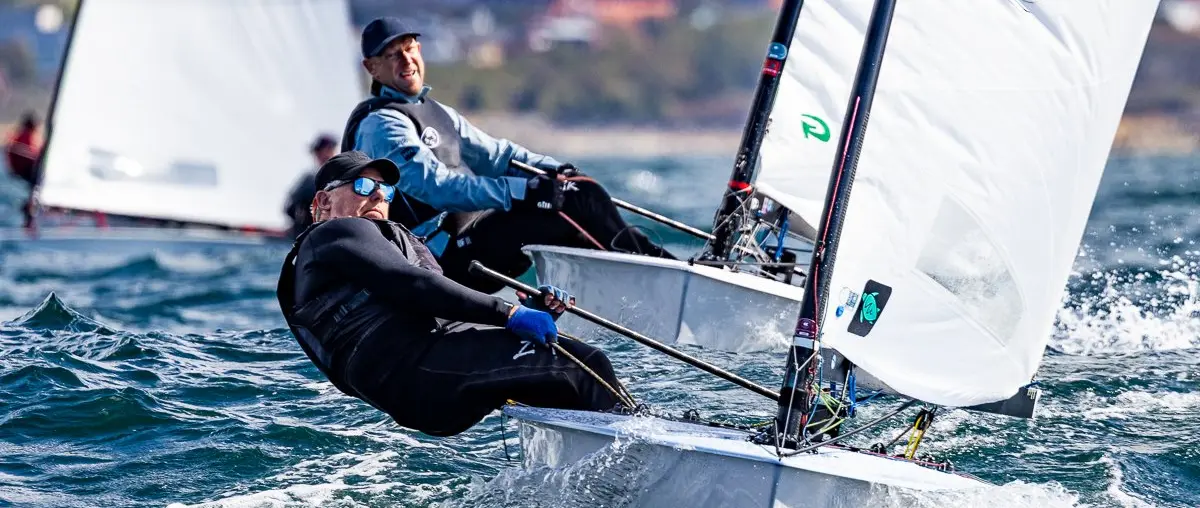
The accompanying class image is a genuine OK Dinghy racing photograph credited to Robert Deaves and originally published by the OK Dinghy International Association from a 2026 event in Varberg, Sweden. It shows the craft in actual competition and helps readers understand the kind of dinghy involved. It must not be labelled as racing at Palma in March 2027, which has not yet occurred. The distinction is important because attractive stock-style images can create misleading impressions about attendance, results or conditions. Source-provenance information allows the reader to see that the photo provides accurate class context while the specific calendar facts come from the association's November announcement.
The next confirmed dates
The dates presently established are 13–14 March 2027 for the BM Composites regatta and 18–21 March for the OK Dinghy's Princesa Sofía class competition. The proposed intervening training and racing period is a further opportunity to monitor as organisers release details. Competitors should confirm entry and accommodation arrangements through official channels and verify amendments before travelling. The announcement provides a credible, timely reason for OK Dinghy owners to add Palma to their 2027 plans, without asserting an unannounced prize, new design or final result. The central news is straightforward: a recognised small-boat racing class has gained a place on an established international programme, backed by a concrete local organising partnership.
Explore related Leisure Boat Guide reporting
- Ryde School Wins RYA Schools Match Racing Title with Eight Straight Victories
- Angel of the North Team Racing Returns to Derwent Reservoir on November 28–29
- Ballyholme Honours Robin Gray and Elaine Taylor in Northern Ireland Sailing Hall of Fame
- RYA Youth Nationals Set Weymouth 2027 Dates for Dinghy Fleets
Primary reporting and image credit
Primary manufacturer and organiser source(s): https://okdia.org/news/spain/ok-dinghy-class-joins-2027-princesa-sofia-on-palma/. © OK Dinghy International Association / Robert Deaves. Genuine 2026 OK Dinghy racing photograph at Varberg, Sweden, used as class context, not a Palma 2027 race image. Image is used only for correctly attributed factual editorial coverage and never represented as open-licence stock photography.