
DOC highlights Tongariro River delta wetlands and birdlife. Plan a respectful small-craft kayaking visit at Lake Taupō with current access and weather checks. Independent small-craft visitor guide drawing on the New Zealand Department of Conservation; confirm conditions and local access.
Where the river meets the lake
At the southern end of Lake Taupō, New Zealand's Tongariro River gradually deposits sediment and creates a network of wetlands, channels and lagoons. The Department of Conservation describes a landscape of bird habitat that is especially interesting to visitors travelling quietly in a kayak. This is a very different type of water outing from a fast lake crossing or a whitewater river descent. It invites paddlers to look for small changes in habitat, listen for birds and understand why the delta is important. The agency's general description is a starting point, not a route clearance or a statement that every visible watercourse can be entered with a recreational craft at any time of year.
An officially recognised wildlife destination
DOC identifies the Tongariro River delta as home to numerous bird species, including native and endemic species. The official visitor information mentions dabchicks or weweia, pied stilts or poaka, shags and the possibility of seeing an Australasian bittern or matuku-hūrepo. These names provide a useful guide to the diversity of the wetland, but they must not be interpreted as a wildlife checklist guaranteed for a one-day trip. Birds move according to weather, breeding cycles, disturbance and food supply. A quiet paddle may provide valuable sightings, but visitors should appreciate the setting even when the more elusive species remain hidden.
Why a kayak can work well here
A small touring kayak offers low freeboard and a relatively quiet approach to the watery edge of the habitat. It may allow a paddler to observe reed beds and open channels without the engine noise of a larger craft. That benefit is conditional on responsible handling. Water birds may be unsettled by a kayak that creeps too close, even when its paddler believes the approach is silent. Stay well away from nesting and resting areas, maintain a clear line of retreat for wildlife and do not use an animal's presence as a reason to leave a permitted route. The right distance is one at which the bird's normal behaviour continues undisturbed.
The delta is not the upper river
The Tongariro River is known for several different landscapes and uses, and its upstream stretches should not be confused with the quieter lower delta. A photograph of a riverbank or a general map bearing the same river name cannot establish whether the pictured location is safe for a recreational kayak. Rapids, fast currents and river access points may lie well beyond the environments described in DOC's wetland visitor material. For a gentle wildlife outing, identify the specific lower-channel area supported by current local advice and avoid extending the trip upstream without suitable expertise. Route-specific knowledge is more important than the name printed on the waterway.
A changing landscape of sediment and water
A river delta is a dynamic place. Sediment accumulation can change the depth of a channel, while high flows can alter currents, move debris and affect shoreline access. Water clarity and bird activity may vary across seasons. An electronic map that once showed a clear passage may not capture shallow bars, vegetation or a temporary restriction. Paddlers should obtain current local information before entering the water and keep the route conservative when conditions are unfamiliar. A craft that floats in one channel may ground in another, while dragging it across vegetation can damage sensitive habitat. Turning around early is preferable to creating a new informal passage.
Planning from the Tūrangi area
The delta forms part of the wider Tūrangi visitor area, whose official DOC pages describe river and lakeside experiences. Travellers need to work out exactly where legal launch and take-out points are located rather than simply driving to the nearest spot shown on a mapping application. Public parking does not always confer permission to use a nearby bank for launching, and roads or paths may be closed for maintenance or conservation reasons. Where independent paddling access is unclear, ask DOC, the appropriate local authority or an established local provider. If the group cannot establish a lawful and safe way into and out of the chosen water, it should choose a different outing.
What birdwatchers should carry
Binoculars, a field guide or a downloaded bird-identification reference can enrich the experience without increasing the need to approach wildlife. Carry the viewing equipment in a waterproof case or attach it securely so it cannot be lost during a sudden manoeuvre. A camera with a modest telephoto lens is often more useful than a very wide lens when photographing birds at a respectful distance. Avoid using playback sounds to lure animals closer. Notebook observations about habitat and behaviour can provide more lasting memories than a single close-up photograph. The goal is to see enough to learn while disturbing as little as possible.
A realistic outing for beginners
Visitors with limited kayaking experience should not assume that the word lagoon means an entirely risk-free paddling environment. Wind across Lake Taupō can influence exposed reaches, while a river mouth may have changing flows and currents. A qualified local operator can advise whether a particular route suits beginners and what alternative destination might be appropriate. New paddlers should practise basic steering, stopping and assisted recovery before attempting an unfamiliar waterway. An outing intended for birdwatching should remain short enough that the group has time to observe without becoming fatigued, cold or rushed on its return.
Wind matters on a big lake
Lake Taupō's broad open water is capable of developing uncomfortable conditions when the wind rises. A channel that feels protected at the beginning of a trip may lead into an exposed area during the return. Paddlers should check forecasts and local conditions and understand how the wind direction affects their intended route. Low visibility and rain can also make navigation harder. Do not treat calm weather at a distant town as proof of calm water at the launch. If there is doubt about the group's ability to manage a crosswind or the forecast is deteriorating, choose shore-based birdwatching instead. A successful outing does not require taking to the water.
Appropriate craft and equipment
The boat should be stable, suitable for the planned conditions and correctly loaded. Each person needs properly fitted flotation equipment, and the group should carry communication gear, spare warm clothing and waterproof navigation information. Dry bags should secure personal items without compromising the boat's balance. Sunglasses and sun protection can be important even when air temperature is moderate, as reflection and wind affect comfort. Footwear should be chosen for safe boarding at an approved point rather than for walking through fragile wetland vegetation. Equipment checks are worthwhile before leaving home and immediately before launching, especially when several people are sharing hire craft.
Wildlife protection shapes access
The delta's ecological value is precisely the reason recreational access must be approached thoughtfully. Some areas may need to be protected because birds are feeding, nesting or resting. Signs and local rules should take precedence over an older tourist description or a GPS route shared online. Keep well clear of marked sensitive sites, avoid landing on vegetated banks and do not allow a group to disperse through side channels merely to search for birds. Cleaning and drying equipment before moving between waterways also helps limit the spread of unwanted organisms. Responsible boating means adapting the recreation to the place, not reshaping the place to suit recreation.
Learning the local names
DOC's use of Māori bird names alongside English names is a reminder that the wetland has cultural as well as ecological context. Visitors who take time to understand names such as weweia, poaka and matuku-hūrepo can begin to appreciate how species and landscapes are identified within Aotearoa New Zealand. That learning should be based on reliable information and respectful interpretation rather than invented stories. Paddlers should follow any current guidance about cultural sites, local access and visitor conduct. A quiet lake or river view is never a reason to assume that the waterway is without history, community responsibilities or restrictions.
A shore-based alternative is valuable
Not every visitor needs to paddle into the delta to experience the surrounding environment. Official visitor information for Tūrangi and the southern Lake Taupō area includes land-based opportunities that may allow wildlife appreciation without entering the water. If conditions are windy, access is restricted or the group lacks suitable gear, a permitted shore walk or established lookout can be a better choice. Binoculars, patience and a willingness to return on another day may produce excellent observations. Building a flexible itinerary around both water and land means that safety advice does not force the cancellation of an entire holiday.
What to verify before the outing
Begin with DOC's current Tongariro River delta page and the broader Tūrangi area information. Confirm whether the precise channel or lagoon proposed for paddling is accessible and whether restrictions apply. Check the weather and current river or lake conditions, paying particular attention to recent rainfall and wind direction. If using a hire operator, ask exactly where launching is allowed and what rescue assistance is available. Agree on a turnaround time, leave an itinerary with someone ashore and ensure that everyone is confident with the planned route. Most importantly, make a decision based on current site conditions, not on an optimistic photograph or an old visitor report.
A wetland worth slowing down for
The Tongariro River delta demonstrates that a memorable small-craft holiday need not be a race between distant points. A short, carefully planned paddle can reveal changing waterways and a remarkable variety of birdlife, provided visitors respect wildlife and existing access rules. DOC's official description explains why the area is worth exploring, but does not certify the conditions on any particular day. Paddlers who remain flexible, follow local guidance and keep their distance from animals can turn the experience into an encounter with the landscape rather than an exercise in collecting images. That restraint is part of what makes a quiet wetland journey rewarding.
Official sources
The New Zealand Department of Conservation's Tongariro River delta visitor guidance and its Tūrangi regional information are primary sources. Always check actual access, seasonal restrictions and conditions with the responsible local authority before paddling.
Explore related Leisure Boat Guide lifestyle reporting
- Pukaskwa's Hattie Cove by Kayak: Lake Superior's Wild Canadian Shore
- Ardèche Gorges by Canoe: France's Natural Stone Arch and Protected River Journey
- Lake Akan by Sightseeing Boat: Hokkaido's Marimo Island and Volcano Views
- Soča Valley by Guided Kayak: Slovenia's Emerald River and Alpine Rapids
Primary reporting and image credit
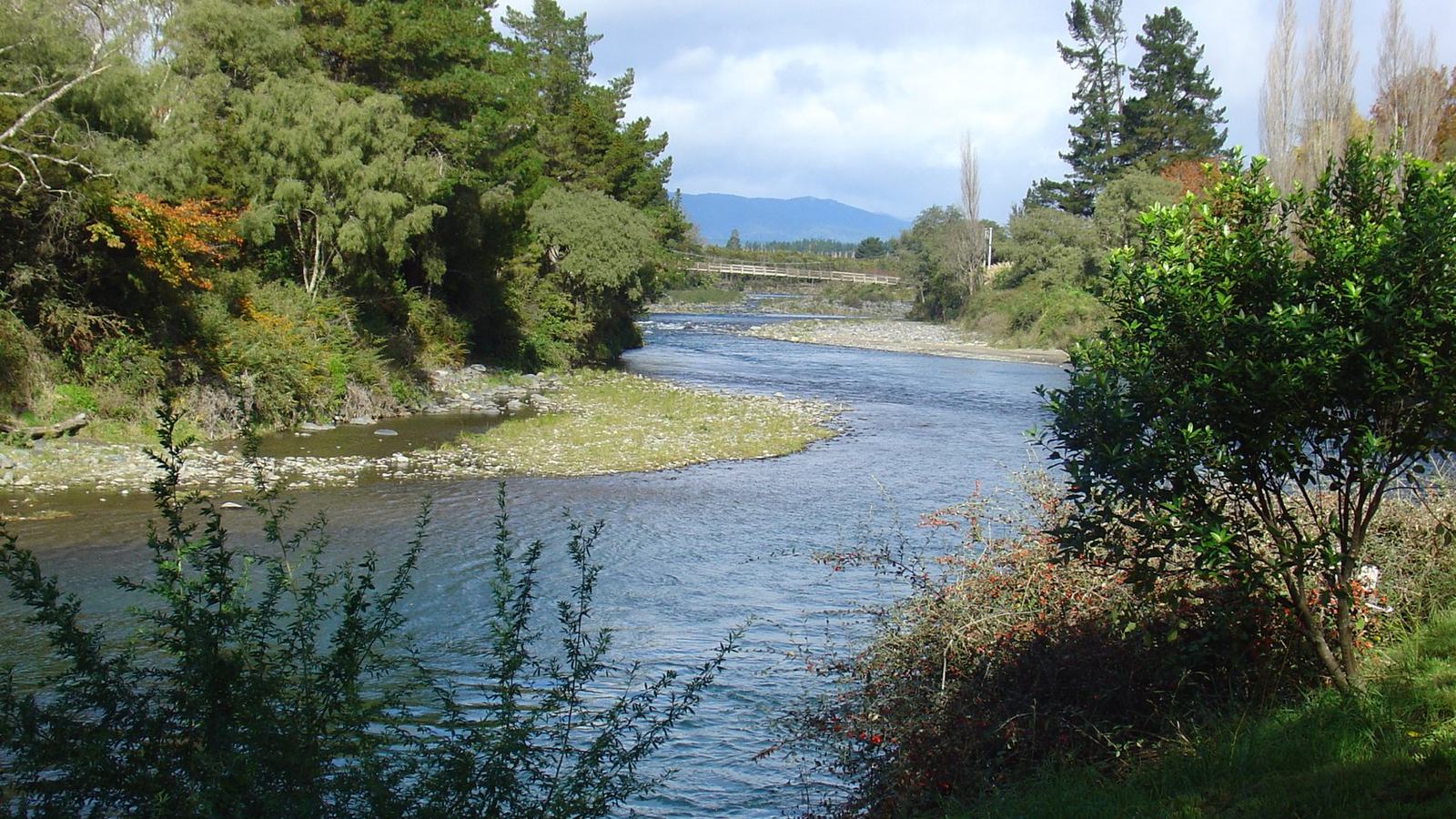
Contextual hero photo by Brian New Zealand, resized adaptation. Original photo and attribution; CC BY 2.5 licence. Photograph is not evidence of new or open facilities or current conditions.

Primary manufacturer and organiser source(s): https://www.doc.govt.nz/parks-and-recreation/places-to-go/central-north-island/places/turangi-area/tongariro-river-delta/. Tongariro River near Tūrangi, photograph © Brian New Zealand, Wikimedia Commons, CC BY 2.5. Resized contextual image, not necessarily depicting the delta. Image is used only for correctly attributed factual editorial coverage and never represented as open-licence stock photography.