
Original Lake Akan travel feature covering official sightseeing boats, the island marimo centre, volcanic scenery, seasons and responsible tourism.
Cruising in an extraordinary national park
Lake Akan lies within Akan-Mashu National Park in eastern Hokkaido and offers a sightseeing experience with a distinctive natural focus. Japan's official National Parks tourism information describes cruises that cross the lake and visit an island associated with the remarkable marimo algae. This is a different proposition from a generic boat ride: the water journey provides both volcanic scenery and an introduction to a protected freshwater ecosystem. A scheduled cruise can make the lake accessible to visitors who do not want to paddle independently, but services, operating periods and access should always be confirmed for the intended day. The lake's appeal combines observation, science and place.
Where the journey begins
Akanko Onsen is the lakeside settlement from which many visitors approach Lake Akan's attractions. The area has accommodation and a reputation for hot springs, creating the possibility of combining a cruise with time ashore. Travellers should identify the actual boat terminal rather than assuming it is beside their hotel. The National Parks visitor information gives the wider context, while the cruise operator can provide exact check-in requirements, departures and ticket arrangements. A relaxed itinerary makes room for a stroll, a briefing and the boat trip without rushing through all three. Weather and seasonal service changes may alter what can be done on a particular visit.
Understanding the sightseeing options
Official Japanese tourism material describes a larger sightseeing boat itinerary of approximately 85 minutes as well as shorter private motorboat options. These are indicative product descriptions, not a guarantee of the same operating schedule in every season. Travellers should compare the actual route, capacity, language information and whether a stop at the marimo observation facility is included. A shorter motorboat ride may give a different perspective from the main sightseeing cruise and should not be represented as equivalent. Ask the operator to explain what is currently available, particularly if travelling outside the principal visitor period or when weather could affect departures.
The volcanic landscape around the water
The lake lies in an area shaped by volcanic activity, with hills and mountains providing a dramatic horizon. From a boat, those features appear differently as the vessel moves, sometimes revealing layers that are hidden from the shore. On clear days travellers may see mountain forms prominently, but visibility cannot be promised. The journey should be appreciated for its changing composition of sky, water and wooded slopes rather than as a guaranteed view of any one summit. A low cloud ceiling or shifting light may create an entirely different atmosphere. The onboard commentary or official interpretive materials can help explain the relationship between the lake and its surrounding geology.
Marimo as a reason to travel
Marimo are distinctive green algae that can form rounded balls under suitable conditions, making Lake Akan internationally known for this unusual natural feature. The official cruise description connects a lake journey with learning about them at an island exhibition. These organisms should not be treated as souvenirs or handled outside permitted educational displays. Their appeal comes from their growth, ecology and conservation significance. Visitors can deepen their experience by reading the interpretation provided rather than merely looking for a photograph. The natural habitat is fragile, and observation through an authorised facility is far more appropriate than attempts to disturb underwater areas from a private craft.
The island visit and its limitations
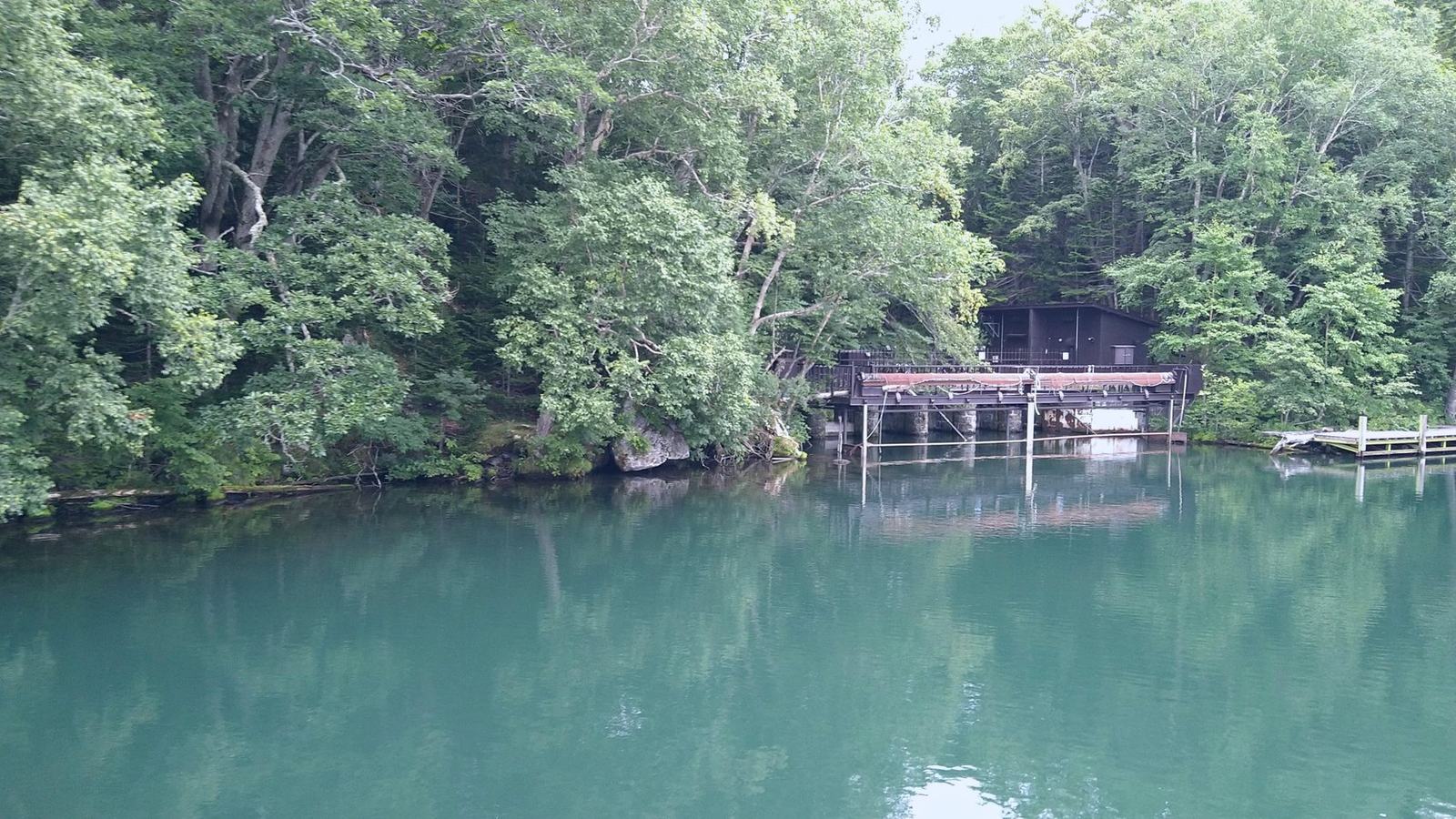
Churui Island is associated with the exhibition and observation of marimo, and a sightseeing cruise may incorporate a visit as part of the route. Current arrangements, including whether visitors disembark and how long a stop lasts, must be verified directly. An island destination should not be mistaken for unrestricted land access. Follow signs, remain within permitted areas and leave natural objects untouched. If conditions require the operator to change the itinerary, the vessel's safe operation and environmental responsibilities take precedence over reaching the exhibition. A visitor who treats the island as a place of learning rather than a checklist stop will gain more from the journey.
Why a passenger boat works well here
A scheduled sightseeing boat offers an organised way to travel across a lake that may be unfamiliar to overseas visitors. The crew is responsible for navigation and the vessel's operation, while passengers can focus on interpretation and scenery within the safety rules. That division of responsibility does not remove passenger obligations. Board carefully, remain seated when directed and avoid leaning beyond railings to improve a photograph. Keep bags compact and secure. Those with limited mobility or young children should ask in advance about boarding steps, seating and accessibility. The experience can be enjoyable without requiring the physical demands of a kayak, provided the chosen service matches the group's needs.
Lake weather and visibility
Even in a sheltered inland setting, wind and weather can affect boating. Lake Akan's mountain surroundings may influence changing conditions, and a calm view from a lakeside window does not establish what the vessel will encounter across open water. Check the operator's current advice and pay attention to announcements. Rain may reduce visibility and change the comfort of outdoor viewing areas. A cruise being postponed or shortened for safety is not a reason to insist on the original schedule. Travellers should build enough flexibility into the day to accommodate such decisions without missing essential onward transport. Good boating tourism begins with respect for weather.
The importance of cool conditions
Hokkaido's climate differs from the warmer image many travellers associate with Japan. A lake cruise may feel cool or windy even when the town is comfortable, especially on an exposed deck. Pack a suitable warm layer and light rain protection for the actual season. Keep the camera and important documents protected from spray. A hat should be secured rather than allowed to blow into the water. Visitors who prefer a sheltered seat should check the vessel's layout before booking. A comfortable passenger can spend more time enjoying the geology and wildlife instead of being distracted by insufficient clothing or equipment.
Viewing the shoreline responsibly
The forested edges of Lake Akan and the transition between water and land provide opportunities for quiet observation. Birds and other wildlife may be seen, but no cruise can guarantee a specific species. The vessel should maintain appropriate distances rather than pursuing animals or making unnecessary approaches to sensitive shores. Passengers should not throw food or rubbish into the lake, and should follow all posted conservation rules. Observing the natural environment can be as simple as listening to water against the hull and watching shadows shift across the trees. A sightseeing experience is strongest when it leaves the place undisturbed.
Ainu culture and local context
The Lake Akan region also has important Ainu cultural connections. Akanko Onsen includes the Ainu Kotan area, where visitors can learn about local traditions, arts and crafts. A cruise and a cultural visit can complement one another, but travellers should avoid reducing Ainu heritage to a decorative addition to scenery. Consult authoritative local interpretation and respect photography, performance and commercial rules. When talking about cultural history, distinguish information given by knowledgeable local sources from casual travel myths. Allow time for a thoughtful visit instead of assuming every attraction can be properly understood within a single short excursion.
Photography that tells an accurate story
Lake Akan can produce compelling images of the boat, island pier, wooded shoreline or distant mountains. Keep safety in mind when taking photographs on a moving vessel, and respect other passengers' views and privacy. A historic location-specific image is suitable for illustrating the lake when accurately credited, but it cannot be offered as proof of today's weather, tour schedule or exact vessel. If photography is restricted inside an exhibition, obey the restriction and rely on the experience instead. Sometimes the richest memory is the interpretation of marimo and geology rather than the photograph itself.
Walking after the cruise
The official National Parks tourism pages encourage visitors to combine the cruise with lakeside exploration. A short walk can provide a useful counterpoint to travelling over water, particularly for someone who wants time to observe the shoreline's textures. Check the status of trails, seasonal access and appropriate footwear before adding a walk to the day. A route should match the group's physical ability and available daylight. It may be better to enjoy one modest path and a relaxed meal than attempt every nearby activity. Weather that makes boating unsuitable might still permit a worthwhile sheltered shore visit, depending on current advice.
Choosing between a guided boat and private craft
A larger scheduled boat typically offers a shared experience, while a smaller private motorboat may offer a different duration and route. The official tourism site identifies both categories, but specific suppliers and prices can change. Ask which option includes the marimo island stop, whether interpretation is provided and what restrictions apply. Independent private boating should not be inferred to be allowed simply because commercial motorboats operate on the lake. Follow the permissions and safety requirements established by the relevant authorities. For many first-time visitors, the organised passenger cruise is an accessible introduction without the additional demands of navigating a large unfamiliar freshwater lake.
Planning around the season
The experience described in a promotional guide may be associated with the season when boats normally operate. Lake Akan can look very different at other times of year, and seasonal closures or changed schedules may affect activities. Check the exact date with the operator and review regional travel conditions, particularly if arriving by road from another part of Hokkaido. Advance information can prevent disappointment, but the plan should remain flexible. Confirm the location of the terminal and nearby facilities. Treat published durations as indicative until the operator verifies the selected departure, then allow time for boarding, disembarkation and any visitor-centre stops.
A thoughtful example itinerary
An enjoyable lake day could begin with a walk through Akanko Onsen, followed by arrival at the confirmed cruise terminal in time for the safety briefing. During the voyage, watch the changing volcanic landscape and listen to information about the lake rather than trying to photograph everything. If the trip includes the island exhibition, allow time to understand the ecological story of marimo. After returning, enjoy a permitted lakeside path or a cultural attraction if open. This is an illustrative pattern, not a current service timetable or guaranteed route. Weather, seasonal arrangements and local rules must shape the actual plan.
Leaving with more than scenic photographs
Lake Akan offers the rare combination of a freshwater boat journey, volcanic scenery and an educational encounter with distinctive algae. That combination gives a sightseeing cruise greater depth than a purely visual tour. The best visitors approach the water with curiosity and follow the protections that keep the lake healthy. Japan's official National Parks information establishes the destination and main cruise options; current operator guidance determines when and how they run. With appropriate preparation and a willingness to adapt, an unhurried trip across the lake can become one of Hokkaido's most thoughtful small-boat experiences.
Sources and photograph attribution
Official destination and boating guidance: Japan National Parks — Akan Sightseeing Cruise. Current access, rules, weather and reservations must be checked independently before travel.
Photograph: ブルーノ・プラス — Churui island pier.jpg (CC BY 4.0) via Wikimedia Commons. Original image resized as JPEG. Historic photograph of Churui Island pier at Lake Akan in Hokkaido, Japan; not a 2026 tour boat, exact current operating schedule or weather guarantee. Source: https://commons.wikimedia.org/wiki/File:Churui_island_pier.jpg. Licence: https://creativecommons.org/licenses/by/4.0. Original rights remain with the credited creator or as specified by the source and licence.
