
Parks Victoria outlines proposed Murray River Adventure Trail canoe launches and camping access. Learn how to plan a responsible small-craft trip in Victoria. This independent guide is based on official government or park-operator information and must be used with up-to-date local access and weather notices.
A river journey still being shaped
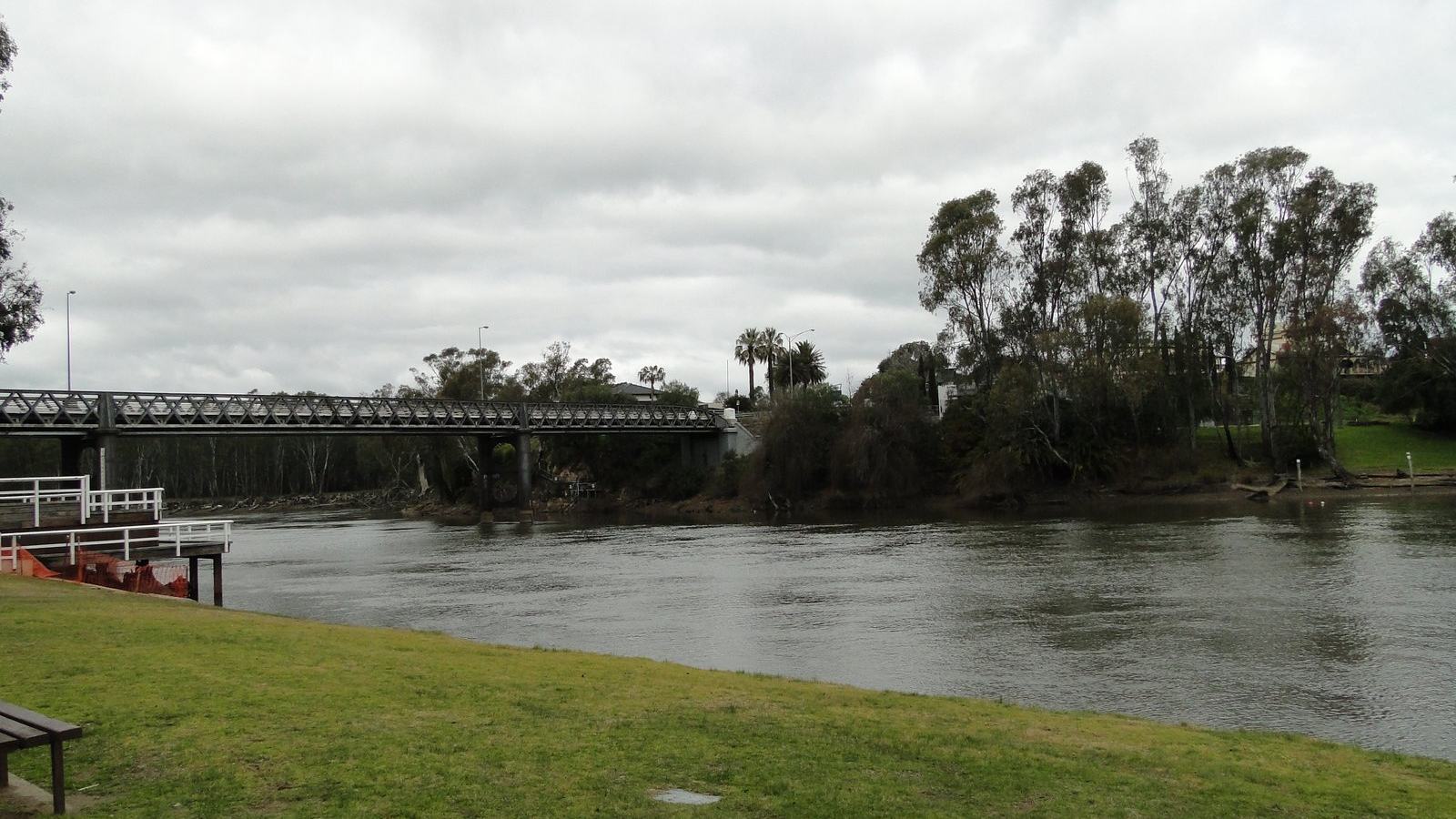
Victoria's Murray River Adventure Trail is a developing network rather than a finished, uninterrupted paddling route. Parks Victoria describes a project intended to connect walking, cycling and paddling experiences along the river. Its first stage focuses on the stretch from Barmah National Park towards Koondrook, with proposed canoe and kayak launches, visitor facilities and short pedestrian connections. For leisure boaters, the important distinction is between a destination that already offers river recreation and infrastructure that is still proposed or being delivered. A photograph of a peaceful river bend cannot tell a paddler whether a particular launch is usable today, and a promotional map should not be treated as proof that every landing point is open.
What stage one actually proposes
The project's official description places paddling beside camping, fishing, cycling and walking rather than treating the river as a single-purpose sports venue. New launch locations are intended to improve access, while campground facilities and selected links on land could make a combined water-and-shore holiday easier to plan. However, the public project wording is careful: proposed facilities do not become operational merely because a master plan lists them. Visitors should look for a dated Parks Victoria announcement, an individual park or site page, and any local safety bulletin before treating a future facility as part of an itinerary. This also applies to upgraded campsites, whose opening dates can move with flood recovery, construction and the condition of access tracks.
The geography behind the appeal
The Murray traces a broad boundary between New South Wales and Victoria, and the Barmah–Koondrook region offers a different rhythm from Australia's more familiar surf beaches. A trip here can be about slow paddling, floodplain woodland, birdlife and spending time at river level rather than covering a fixed number of kilometres. River bends, side channels and low banks may look straightforward on satellite imagery yet change character with flow, local water levels and submerged vegetation. That variety is part of the attraction, but it rewards measured expectations. Before choosing a starting point, confirm which bank has lawful public access, which routes are navigable at present, and how a group will return to its vehicles.
Why a launch ramp matters
For a lightweight canoe or sit-on-top kayak, a convenient launch is often worth more than a large marina. A stable approach reduces the need to drag the hull across sensitive ground; parking and a safe loading space simplify the transfer of dry bags, drinking water and flotation devices. A suitable take-out is equally important. A river trip that feels easy downstream can become complicated if the exit bank is steep, muddy, occupied by vegetation or inaccessible from the road. The proposed launch improvements therefore have practical value, especially for visiting families and less experienced users, but the benefits should not be assumed until a site has been completed and inspected.
River conditions override a timetable
Unlike a sheltered urban lake, a large river is a moving environment. Higher flows can increase current, sweep debris downstream and change the usefulness of small eddies. Falling water can expose roots, sandbanks or awkward landing points. A rise in level may cover familiar markers and make a campsite approach less obvious. Conditions also differ between the main channel and connected backwaters. Before leaving, consult the relevant Victorian and New South Wales river and weather warnings, and ask local park staff or a reputable operator for route-specific advice. Never infer that a section is safe simply because other paddlers used it on a different weekend.
Camping is a separate booking decision
The proposed adventure trail includes visitor-facility work at several camping areas, and Parks Victoria has referred to works at the Gulf Camping Area as subject to water levels and completion. That is not a universal promise that all campsites are open. A touring group should check each intended overnight stop independently, including booking rules, vehicle access, fires, waste facilities, and any restrictions affecting riverbank vegetation. It is worth preparing a shorter alternative that does not rely on a specific shoreline camp. A responsible itinerary makes room for a closed road, a delayed opening, a wet landing or weather that turns a comfortable evening stop into an unsuitable one.
Choosing a realistic day on the water
For a first visit, the sensible plan is often a short out-and-back paddle from a confirmed legal launch rather than an ambitious point-to-point expedition. An out-and-back route lets the group assess current, wind, traffic and fatigue before committing to a downstream transfer. On a river, the return leg may be substantially harder than the outward leg, so time estimates must include travel against flow. A longer one-way outing requires a verified take-out and transport arrangement. Identify a clear turnaround time in advance and do not let the wish to complete a mapped route override the energy or experience of the slowest participant.
The small-craft equipment test
Every paddler needs properly fitted flotation equipment appropriate to the craft and conditions; spare flotation or a loose buoyancy aid is not a substitute for wearing it. A river day pack should include water, sun protection, warm layers, basic first aid, a secured phone or communication device, and navigation information available without mobile coverage. Tie down loose gear so a capsize does not scatter rubbish along the river. Shoes should tolerate mud and uneven shorelines. A group carrying camping supplies must consider load, stability and the boat's real capacity, not just whether everything fits inside the hull at the car park.
Respecting the floodplain landscape
Waterways that offer memorable wildlife viewing are also sensitive habitats. Birds may nest or feed near apparently inviting banks, while shoreline plants bind soils that can be damaged by repeated dragging of boats. Keep to recognised landing places where available, avoid forcing a passage through dense vegetation and give wildlife space to move away without being pursued. Sound carries across still water, so quiet paddling can improve both the visitor experience and the conditions for animals. Where local rules protect parts of the floodplain, treat those boundaries as part of the journey rather than obstacles to be navigated around.
Shared water is not empty water
Kayakers and canoes may encounter powered fishing boats or other recreation craft. A quiet vessel can be difficult to spot against a dark bank, particularly around blind bends. Maintain a lookout, understand the applicable local navigation requirements and make your movements predictable. Avoid drifting into the centre of a channel merely to take photographs. When motorboat wash or a strong cross-current arrives, point the boat appropriately and maintain control rather than turning broadside without preparation. The safest response depends on the individual craft, the paddler's technique and the waterway; formal instruction is valuable before attempting exposed sections.
Weather planning beyond sunshine
A bright forecast does not remove the need to consider wind direction, temperature, visibility and the possibility of thunderstorms. Long sheltered reaches can feel entirely different when a headwind develops over open water. Heat can also become an operational concern if there is little shade at a landing site or if the group has underestimated drinking-water needs. Plan rest stops based on confirmed public access, not imagined beaches on a map. In cooler or unsettled weather, the consequence of immersion becomes more serious. When conditions deteriorate, ending the outing early is a successful safety decision, not a failure of the holiday.
The value for regional tourism
A carefully delivered river trail can spread visits beyond a single boat ramp by encouraging guests to stay locally, use licensed guides and explore small towns on shore. For visitors, that means treating the water experience as one element of a larger regional break, with food, accommodation and cultural interpretation planned in advance. It does not mean every community facility has capacity for large paddling groups or that every stretch is suitable for beginners. Check local opening hours and book any equipment or transport directly with established operators. Public access, private land and cultural heritage responsibilities remain important even when a route is marketed as an adventure destination.
A practical pre-departure checklist
First, verify the exact launch and take-out against a current Parks Victoria park or site notice. Second, check river levels, weather and any active closures; third, establish how the group will communicate and what it will do if the intended exit is inaccessible. Confirm the number and type of craft allowed by the operator or launch arrangement and ensure every participant knows how to re-enter or recover their boat. If camping, obtain the correct booking and understand current fire and waste requirements. Finally, tell someone ashore where you intend to go, when you expect to return and what action to take if you have not checked in.
What visitors should not assume for 2026
The Murray River Adventure Trail project has been described in phases, and specific works can remain proposals, construction projects or delayed openings. A mention of spring 2026 in an older update must not be repeated as proof of opening by late November. Likewise, a new jetty or campground at one site does not establish that a complete multi-day water trail is available. Leisure Boat Guide is reporting the official project and its travel implications, not certifying launch conditions. Readers should use the latest project update and the individual park pages before making non-refundable travel plans or launching a loaded boat.
The larger leisure-boating lesson
The attraction of the Murray is not that it can be treated like a theme-park ride. Its value lies in the combination of moving water, an expansive river landscape and the slower pace a small craft can make possible. A proposed network of improved launches could make that experience more approachable, provided access, safety and conservation work progress together. Visitors can already enjoy appropriate established river locations, but they should plan to the current conditions and the facilities that actually exist. The strongest river holiday is one that leaves enough margin for the weather, the river and the needs of the people sharing the boat.
Official reference
Parks Victoria's Murray River Adventure Trail project and Murray River visitor information underpin the reporting. The project's proposed developments must not be mistaken for completed or universally open facilities.
Explore related Leisure Boat Guide lifestyle reporting
- Pukaskwa's Hattie Cove by Kayak: Lake Superior's Wild Canadian Shore
- Ardèche Gorges by Canoe: France's Natural Stone Arch and Protected River Journey
- Lake Akan by Sightseeing Boat: Hokkaido's Marimo Island and Volcano Views
- Soča Valley by Guided Kayak: Slovenia's Emerald River and Alpine Rapids
Primary reporting and image credit
Contextual hero photo by Peterdownunder, resized adaptation. Original photo and attribution; CC BY-SA 4.0 licence. Photograph is not evidence of new or open facilities or current conditions.

Primary manufacturer and organiser source(s): https://www.parks.vic.gov.au/projects/northeast-victoria/murray-river-adventure-trail. Murray River at Corowa, photo © Peterdownunder, Wikimedia Commons, CC BY-SA 4.0. Resized adaptation, not a photograph of proposed Barmah–Koondrook construction. Image is used only for correctly attributed factual editorial coverage and never represented as open-licence stock photography.
Source
Parks Victoria