
Plan a Glenelg River canoe holiday in Victoria with the January 2027 Pines Landing closure, alternative camping and the latest official access information.
The lower Glenelg River is one of those waterways whose appeal becomes clearer at paddle speed. The river's wooded banks and limestone landscapes encourage an unhurried journey in which each bend changes the view and the evening camp becomes part of the adventure. In south-west Victoria, a canoe or kayak provides a particularly intimate way of experiencing country that is not always readily accessible from the road.
For the coming Australian summer, however, there is a planning change that matters to anyone considering a multiday trip. Parks Victoria has announced that operations in the pine plantation surrounding Pines Landing Canoe Camp are due to begin in January 2027. Camping and access at the affected site will be unavailable during the work. The authority identifies Moleside Canoe Camp, approximately four kilometres farther downstream, as an alternative. The notice calls for respect for restricted access points and the working plantation.
A river journey rather than a sightseeing circuit
The official Glenelg River Canoe Trail stretches roughly 75 kilometres between Dartmoor and Nelson. Much of it runs through Lower Glenelg National Park, and Parks Victoria describes the full outing as a journey of around four days. Shorter three-day itineraries and day hire are also possible. The distances are useful starting information, but they do not replace an assessment of individual paddling ability and weather.
The best route for a family group may be very different from the one that an experienced canoe-camping team can comfortably complete. A boat carrying camping equipment behaves differently from a lightly loaded craft used for an afternoon. A long final day can be particularly tiring after several days of paddling, packing and sleeping outdoors. Plan the route around the least experienced member of the party rather than the fastest paddler.
What changes when Pines Landing closes
A camping closure can have consequences beyond losing the chance to sleep at a favourite site. The planned January work involves harvesting, roading and transport operations, so access restrictions are also important to people organizing shore support or a pickup. The notice does not guarantee a precise reopening date. Visitors should continue to use the published change-of-conditions information until the authority confirms the site is available.
Moleside's location four kilometres farther downstream gives paddlers a logical possibility to investigate, not an automatic reservation. Work out the extra travel in relation to the start time, the loading point and the following day's intended destination. Confirm a camping booking and ensure the resulting legs remain appropriate for the party. Do not land at a closed access point to shorten a leg or use the plantation as an informal route around the restriction.
Selecting a realistic camping sequence
Parks Victoria lists a series of canoe camping sites along the river, including Moleside, Skipworth Springs, Georges Rest, Bowds, Pattersons and Lasletts. These are distinct locations with different positions in the route. The agency describes seven sites reserved for canoe and kayak travellers in normal circumstances; the closures and availability of individual locations need to be checked before booking.
Bookings are required for the park's canoe camps and charges apply. Each booking is for one night. That system makes advance decisions particularly important because a group cannot simply plan to remain at one campsite for several additional nights without checking the permitted arrangements. Build an itinerary around confirmed sites, not an optimistic sequence of names copied from a map. Consider whether the trip should instead become a shorter journey if the preferred campsite combination is unavailable.
Planning the shuttle before loading the canoe
The lower river trip is generally considered as a journey downstream toward Nelson, rather than a loop that returns to the original vehicle. Parks Victoria identifies canoe hire options in Dartmoor, Winnap and Nelson and notes that some businesses can arrange drop-offs and collections. Confirm the service, exact meeting point, equipment and timing with the operator rather than assuming that every rental includes a shuttle.
A private group with two vehicles should verify that both road access points are actually open and suitable for the vehicles involved. Moleside is described as reachable by a two-wheel-drive vehicle from Winnap Road, but this does not mean that every alternative access road is usable in all conditions. Leave a responsible person with the intended route, collection details and a clear process for responding if the group is delayed. Avoid relying solely on a mobile telephone in an unfamiliar rural area.
Understanding the cave visitor-area closure
The river is associated with the Princess Margaret Rose Cave, but the official notice describes a separate closure during infrastructure works. The whole cave visitor area, including its jetty and campground, is closed while works proceed. Completion is expected in the first half of 2027, with reopening arrangements to follow rather than being guaranteed by the construction schedule.
This matters on the water because a river landing mentioned in an older trip report may no longer be available. Do not plan an overnight stop, shore visit, resupply or pickup at the cave precinct while it remains closed. A canoe holiday remains worthwhile without adding a cave tour, and the river's geological scenery can be appreciated from permitted routes. Confirm the actual current access position before incorporating any shore attraction.
Choosing and loading the craft
For a multiday sheltered-water trip, a canoe with appropriate carrying capacity may provide room for bulky dry bags, while a touring kayak distributes equipment through enclosed compartments. Both have limitations. The correct choice depends on skill, load, hull design, conditions and the ability to manage a capsize. Ask a hire operator for suitable equipment matched to the planned itinerary rather than simply choosing the largest or lightest vessel.
Distribute heavy items to maintain trim and keep the overall load within the manufacturer's limits. Secure equipment so it cannot be lost or create an entanglement hazard during an upset. Protect essential clothing and sleeping equipment from water. Each participant should have an appropriate correctly fitted flotation device and know how to respond to an unexpected swim. Beginners should obtain instruction and practise suitable rescue methods in controlled conditions before undertaking a loaded expedition.
Flat water still deserves respect
The lower Glenelg is known for flat-water canoeing, but flat water is a description of a type of environment, not a prediction that the surface will remain calm. Wind can funnel along a reach, and even a gentle breeze may complicate steering for a heavily loaded craft. River levels, fallen timber and local obstructions may change after rain. Check current forecasts and river conditions before launching and adjust the route accordingly.
Keep the group together within effective communication range. Take breaks at authorised locations and avoid attempting a landing beneath unstable banks or against an unsafe current. A well-planned journey includes spare time for changing conditions. If the river or weather exceeds the crew's capabilities, postpone the trip or arrange an appropriate shorter alternative rather than pressing on to meet a camping reservation.
Preparing for summer fire restrictions
The park lies within Victoria's South West fire district. During hot and dry conditions, bushfire danger can affect access and the suitability of remote camping. Parks Victoria advises visitors to consult current and forecast conditions and observe Total Fire Ban restrictions. Check the latest official fire information and park notices before leaving, and again when possible during the trip.
Do not rely on an open fire for cooking, warmth or drying equipment. Any proposed cooking appliance must comply with current restrictions, including rules applying to gas appliances on a ban day. Prepare food that can be eaten without cooking if necessary. A campsite is not guaranteed to be a safe refuge during a fire, and a river may not offer a reliable escape route. Have a response plan and do not enter affected areas against official advice.
Camping with a smaller footprint
The attraction of a river expedition lies partly in the feeling that the landscape is not being managed as a conventional holiday resort. That makes careful behaviour important. Use designated camps and established access points, keep belongings contained and leave no food scraps or litter. Follow local toilet and waste instructions, and protect the river from detergent, fuel and other contaminants.
Choose a camp routine that minimises disturbance. Prepare equipment before launching to avoid spreading belongings over the bank, keep voices and music at appropriate levels and observe wildlife without approaching nesting or resting animals. Clean and dry equipment before moving between waterways to reduce the chance of carrying invasive organisms. These small habits help preserve the experience for people visiting after you.
Fishing, photography and unhurried travel
Parks Victoria highlights fishing and birdwatching among the experiences associated with the trail. A rod or camera can add another dimension to the trip, but neither should determine unsafe decisions about how close to approach a bank or how late to remain on the water. Check the relevant fishing licence and local rules before fishing, particularly if the plan involves retaining a catch.
Many rewarding moments occur while drifting briefly in an appropriate sheltered place or stopping at a lawful landing rather than making a long detour. A small waterproof camera can help record the changing landscape without carrying cumbersome equipment. Be prepared to put it away when navigating obstructions or helping another member of the group. The river is a better place to enjoy than to pursue a fixed list of photographs.
Making the 2027 plan flexible
Read the current official canoe trail page, site-specific notices and any additional visitor advice before confirming travel. The planned Pines Landing closure is a clear reason to examine the route carefully, while the cave precinct's separate works show why historical descriptions cannot be treated as current access instructions.
The Glenelg remains an appealing prospect for a carefully prepared small-craft holiday. Whether the final plan is a multiday expedition or a modest day paddle, the defining feature should be the pleasure of moving through the landscape at a manageable pace. Choosing confirmed camps, respecting restricted areas and leaving room for weather changes will help make the summer journey memorable for the right reasons.
Explore related Leisure Boat Guide lifestyle reporting
- Trent–Severn Canoe Camping: Lockstation Routes and Safety in Ontario
- Murray River Adventure Trail Plans New Paddle Launches in Victoria
- Canoe Camping Starts with a Sensible Load, Not a Long Route
- Ardèche Gorges by Canoe: France's Natural Stone Arch and Protected River Journey
Primary reporting and image credit
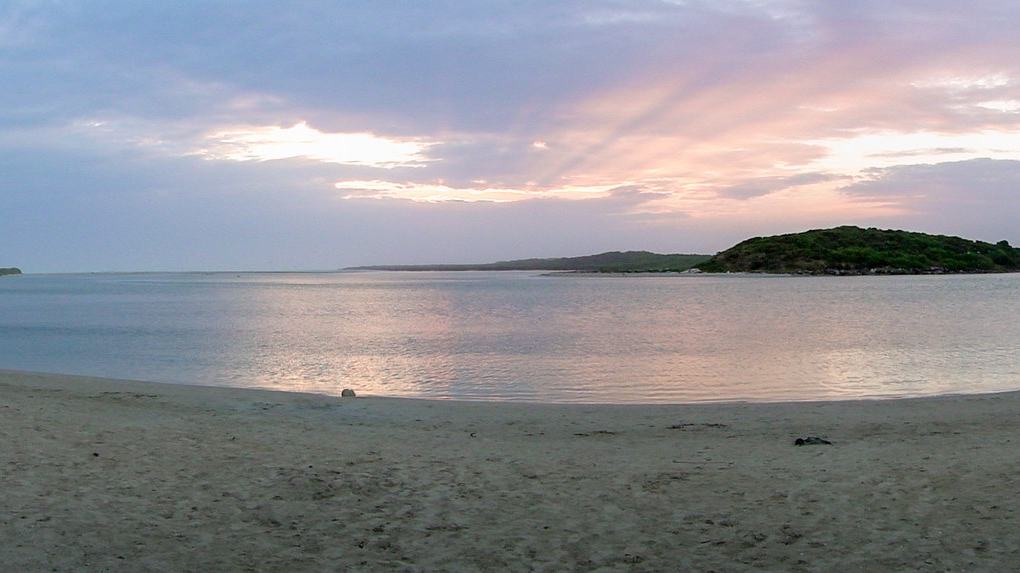
Contextual hero photo by Peterdownunder, resized adaptation. Original photo and attribution; CC BY-SA 4.0 licence. Photograph is not evidence of new or open facilities or current conditions.

Primary authority and organiser source(s): https://www.parks.vic.gov.au/places-to-see/parks/lower-glenelg-national-park/where-to-stay/glenelg-river-canoe-trail. Glenelg River mouth at Nelson, photograph by Peterdownunder, CC BY-SA 4.0, via Wikimedia Commons. Resized contextual photograph; not a current conditions or access photograph. Image is used only for correctly attributed factual editorial coverage and never represented as open-licence stock photography.
Source
Parks Victoria