
Staatsbosbeheer introduces five Biesbosch water quiet zones from December 2026. Plan Dutch canoe outings around wildlife protection and official routes. This independent guide is based on official government or park-operator information and must be used with up-to-date local access and weather notices.
A change on a Dutch water landscape
The Biesbosch is a Dutch wetland landscape where canoeing can bring visitors close to reed beds, winding creeks and the signs of beavers. Its manager, Staatsbosbeheer, has published an important access update: five quiet zones on the water are to be indicated with floating buoys from 1 December 2026. For someone planning a kayaking holiday, this is not an obscure administrative detail. It means a familiar-looking channel or stretch of water may carry new visual guidance intended to protect wildlife. The right response is to check current local instructions before launching and to give the marked areas the space they require, even if an older route diagram suggests otherwise.
What the quiet-zone notice means
The official visitor page says five rest zones will be marked with buoyage. The wording should not be expanded into claims about the precise location, width or legal terms of every zone unless a current official map specifies them. Paddlers should read the posted rules at the site, observe the marker system and obey any instructions provided by wardens or waterway authorities. The purpose is to reduce disturbance in sensitive parts of the wetland. A photograph, blog post or GPS track from a previous season cannot substitute for this information. The water landscape may look unchanged while the appropriate route through it has altered.
Discovering the Hollandse Biesbosch by canoe
Staatsbosbeheer presents a six-kilometre canoe route in the Hollandse Biesbosch, a useful scale for visitors who want a focused outing rather than a multi-day expedition. Six kilometres may sound modest, but the actual duration depends on paddling skill, conditions, breaks, route restrictions and the time needed to identify junctions. A short trip can include plenty of wildlife observation when the group moves quietly and allows distance from reed beds. Before setting out, obtain the current official route description and ask at the visitor facility or rental operator whether any sections have been affected by the December quiet-zone markings. A circular route printed years ago should never be treated as permanently fixed.
A different experience in Brabant
The agency also promotes a canoe route through the Brabantse Biesbosch, where experiencing the wetland from a small craft is central to the appeal. Visitors have the opportunity to see water and wooded margins from a low vantage point, with birdlife changing through the seasons. However, route names referring to the Biesbosch do not mean they share the same start, length or access arrangements. Check which side of the wetland you are visiting and whether the hire provider's launch point serves the intended route. Time spent identifying the correct starting place can prevent an afternoon being lost to driving between distinct entrances.
The value of slow paddling
A canoe is a particularly effective way to appreciate details that are easy to miss from a faster powered boat: ripples around reeds, reflections beneath an overhanging tree and the movement of birds beyond the next bend. The benefit disappears if paddlers approach wildlife too closely or repeatedly enter quiet backwaters simply to obtain a photograph. Keep a reasonable distance from animals and let them set the terms of an encounter. This principle is especially important where rest zones have been introduced. The best wildlife experience is often one that leaves no obvious trace of the visitors who passed through.
Routes change for several reasons
Access updates may reflect conservation, flood conditions, maintenance or other visitor-management needs. The Biesbosch contains interconnected waterways, but not every apparent passage is a suitable or permitted canoe route. Some may be too shallow, vegetated, sensitive or unsuitable for a particular craft. Buoys and signs should be read as operational information rather than decoration. If a marked route and a downloaded navigation track disagree, seek current official guidance instead of following the device automatically. A safe outing requires an understanding of where it is allowed to paddle, not only a satellite map of where open water seems to exist.
Birds, beavers and respectful distance
The landscape is known for wildlife, including beaver activity and a variety of birds. Visitors may notice tracks, feeding marks or vegetation movement without seeing an animal directly. That is part of a healthy wildlife encounter. Do not attempt to block a channel to hold an animal in view, follow a swimming beaver or land at a nest site. Binoculars and a camera with appropriate reach are better tools than a close approach. Quiet-zone restrictions exist precisely because some areas need fewer disturbances. Interpreting a distant sighting as a success encourages better habits than chasing a closer image for social media.
What a family day should include
For a family or first-time paddling group, a manageable signed route with an established hire operator is usually easier than a complicated journey through many branching channels. Ask whether there are age or experience requirements, what type of craft is supplied and whether buoyancy aids are included and properly fitted. Decide how long the youngest participant can comfortably sit and paddle, and allow time for food and rest. Do not overestimate distance based on an adult's solo pace. A well-paced family day can be filled with observation and conversation even when it covers only part of an advertised route.
Choosing the right craft
A Canadian canoe, touring kayak or paddleboard can each offer a different experience, but suitability depends on the current, wind and group. A canoe may carry extra supplies for a family while requiring coordinated paddling. A kayak can feel more directional in narrow passages, and a paddleboard's exposure to wind and fatigue may make it less appropriate on some outings. Discuss the intended route with the rental provider rather than selecting by appearance alone. Ensure that every participant understands how to steer, stop and recover safely after an unexpected capsize. Where a designated quiet area narrows the legal passage, precise control matters as much as cruising speed.
Late-autumn conditions are not summer conditions
The new quiet-zone markers are scheduled for the beginning of December, when colder air and water can make an otherwise gentle outing more demanding. Wind, rainfall, reduced daylight and low temperatures should all influence route choice. Visitors arriving for a winter weekend need to confirm rental operating hours and whether the chosen route is suitable in current conditions. Cold water makes immersion consequential, so correct clothing and rescue planning are essential. An operator's decision not to hire equipment in adverse conditions should be respected. The aim is to enjoy the wetland without placing pressure on emergency services or other visitors.
Navigation without disturbing wildlife
Branching waterways can make a wetland more challenging to navigate than a simple lake shore. Carry an up-to-date map, identify the intended route junctions and understand where a legal landing can be made. Avoid forcing a short cut through reeds or shallow habitat. When another craft approaches, keep enough space to manoeuvre without drifting into a protected area. Boats should have any safety equipment required under local rules, and group members should agree on basic signals before starting. GPS can be helpful, but a battery failure or outdated track must not leave the crew unable to find the return route.
Hiring locally and checking the rules
Staatsbosbeheer lists visitor information and refers to local rental options for exploring the Biesbosch by canoe. Hiring from an established operator can be useful because staff know launch procedures, which routes are appropriate and whether conditions have changed. Visitors should still verify the official conservation rules rather than assume hire includes permission to enter every channel. Ask about deposits, late-return arrangements, rescue support and weather cancellation terms. If travelling from another country, confirm the exact hire location and the language of any route leaflet. A few practical questions before payment are more valuable than an overambitious itinerary built from social-media suggestions.
Leave-no-trace responsibilities
The simplest conservation rules make a substantial difference: do not litter, do not land where access is prohibited, do not remove plants and do not approach animals for photographs. Carry food and drink in containers that cannot be lost easily overboard. Clean equipment before moving between waterways so organisms and plant fragments are not transferred inadvertently. Respect other visitors who may be birdwatching or fishing in authorised areas. Keep noise low, particularly in narrow creeks where sound travels across the water. A visit to the Biesbosch should reinforce the value of protection rather than add pressure to the habitat that attracts visitors.
How to plan after 1 December
Begin with the Staatsbosbeheer Biesbosch access-information page and read the most recent advice about the five marked quiet zones. Choose an official canoe route, check the start point and confirm current availability with a rental provider if hiring. Review the weather, water conditions and time of sunset, and decide on a return time with a generous margin. At the launch, study any buoy diagrams or posted notices before entering the water. If the group encounters a temporary closure or unexpected buoy line, turn back or take an officially permitted alternative. The next correct route decision is more important than completing every kilometre first planned.
A conservation-led boating holiday
The Biesbosch shows how a good leisure-boating destination can become more carefully managed without losing its appeal. The water remains an attractive place for quiet exploration, and official canoe routes continue to offer an accessible way to encounter the wetland. New quiet-zone buoyage adds a responsibility to stay informed and avoid sensitive areas. A successful day is therefore one that combines an appropriate craft, current route instructions, good weather judgement and respect for wildlife. Visitors who follow those principles can enjoy a distinctive Dutch paddling experience while helping preserve the very setting that brought them there.
Official references
Staatsbosbeheer's Biesbosch visitor and access information, Hollandse Biesbosch six-kilometre canoe route, and Brabantse Biesbosch canoe route are the primary sources. Check the new December buoyage notices locally.
Explore related Leisure Boat Guide lifestyle reporting
- Pukaskwa's Hattie Cove by Kayak: Lake Superior's Wild Canadian Shore
- Ardèche Gorges by Canoe: France's Natural Stone Arch and Protected River Journey
- Lake Akan by Sightseeing Boat: Hokkaido's Marimo Island and Volcano Views
- Soča Valley by Guided Kayak: Slovenia's Emerald River and Alpine Rapids
Primary reporting and image credit
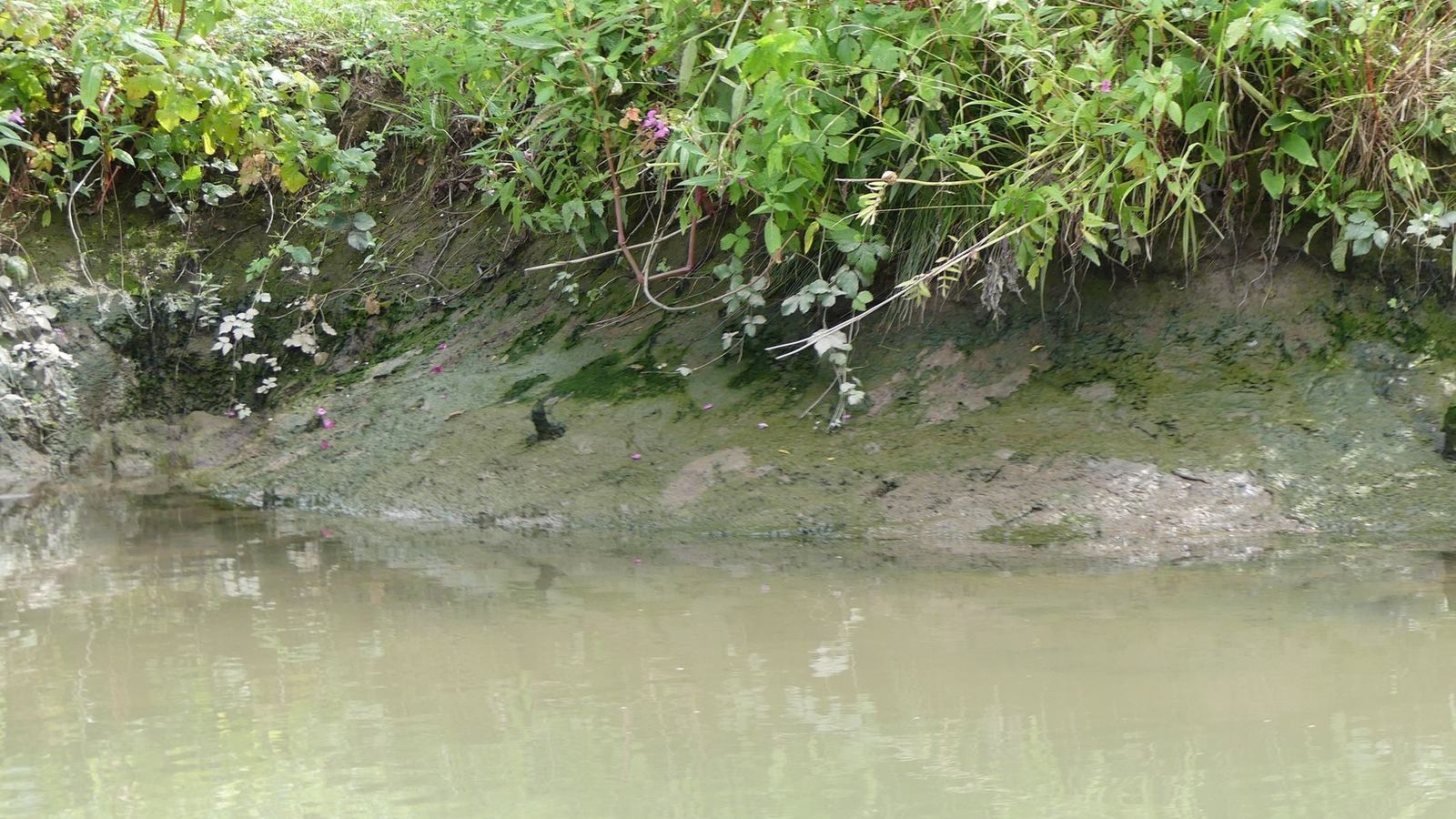
Contextual hero photo by G.Lanting, resized adaptation. Original photo and attribution; CC BY 4.0 licence. Photograph is not evidence of new or open facilities or current conditions.

Primary manufacturer and organiser source(s): https://www.staatsbosbeheer.nl/uit-in-de-natuur/locaties/biesbosch/toegankelijkheid. De Biesbosch, photo © G.Lanting, Wikimedia Commons, CC BY 4.0. Resized contextual wetland photograph, not an image of the new buoy markings. Image is used only for correctly attributed factual editorial coverage and never represented as open-licence stock photography.
Source
Staatsbosbeheer