
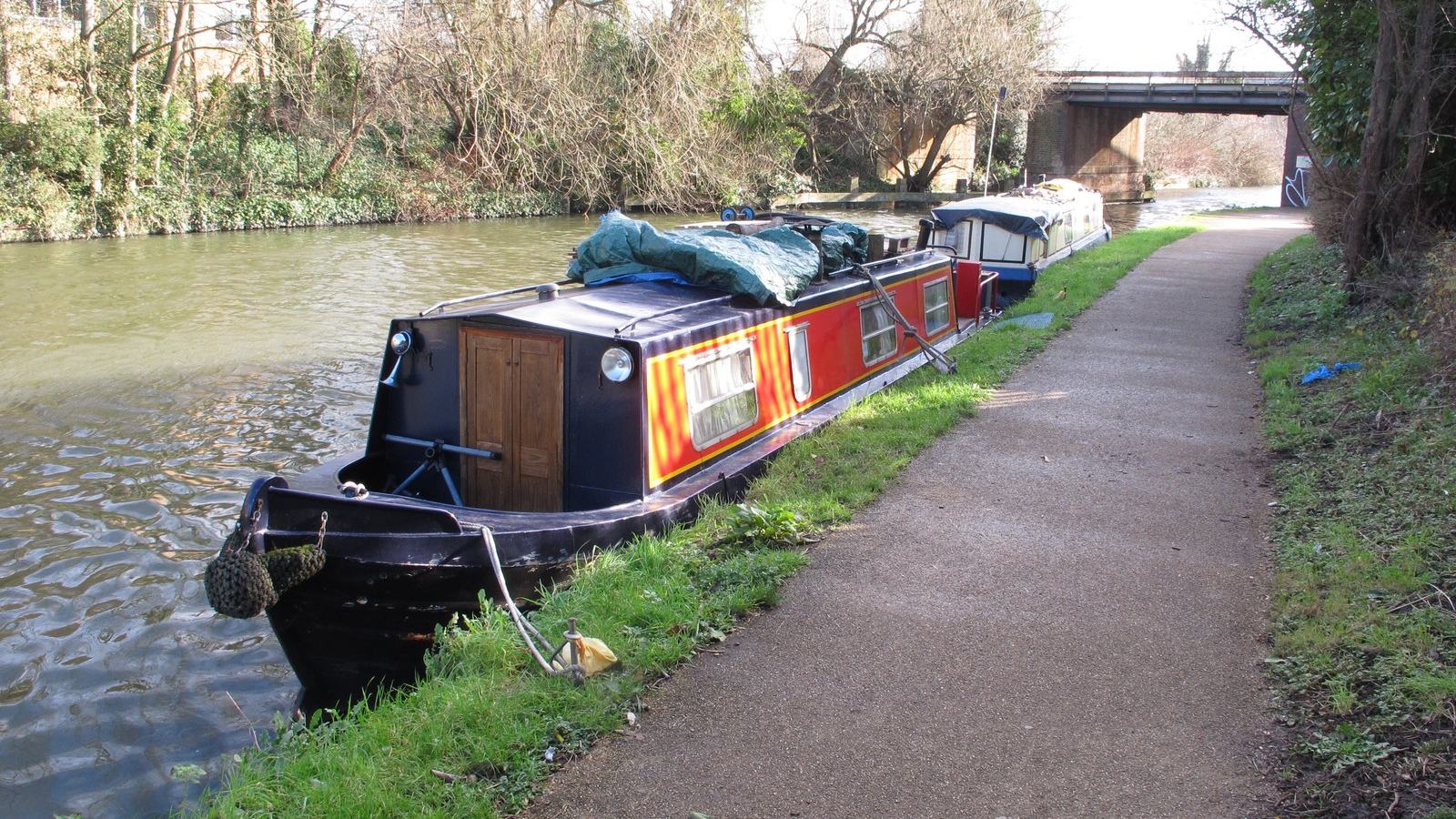
Explore winter canal moorings for small cruisers, with the Canal & River Trust’s 2026–27 permit options, price bands, facilities and route planning advice.
A small cabin cruiser can transform a cold weekend into a surprisingly rewarding waterside retreat. Frost on the towpath, bare branches reflected in the canal and quieter visitor moorings change the character of Britain's inland waterways. But winter boating also changes the practical balance between travel and remaining comfortably alongside. For owners who normally move from place to place, a temporary winter berth can be a useful alternative to planning a fresh itinerary around every period of bad weather.
The Canal & River Trust's published winter mooring arrangements for 2026–27 provide an opportunity to make that choice deliberately. Its scheme operates at selected sites from 1 November 2026 until 28 February 2027, with permits covering one to four months. The important distinction is between a booked winter mooring and an ordinary visitor stop. A winter permit gives a defined location for a defined period; it is not a promise that every facility nearby will remain available or that every connecting waterway will be navigable.
Choosing a winter rhythm rather than a destination
A cruiser owner may want a place to keep the boat accessible during the colder months, not a substitute for a permanent residential berth. Think about the actual pattern of use: occasional weekends aboard, day visits to inspect machinery, a base for short outings when conditions allow, or a period of reduced cruising. Each pattern requires something different from the location.
An attractive stretch of water might be unsuitable if the approach becomes difficult when paths are icy or water levels rise. Conversely, a relatively modest mooring close to transport and essential services can make the boat more enjoyable because visits are easier. Identify priorities before looking at the available sites. The most picturesque location on a map is not necessarily the one that will provide the best winter experience.
Understanding the seasonal offer
The Trust makes temporary sites available for people who do not already have a permanent mooring, retaining space for those who wish to continue navigating. Its permit sale opened on 1 October at 8am on a first-come basis. At the end of November, prospective customers should check which sites and periods remain available rather than assume that the original list represents current availability.
A short permit may suit someone taking a break from regular cruising; a longer one may reduce the number of moves over winter. Consider where the boat needs to be when the permit ends. A location that works for December but leaves the cruiser on the wrong side of a planned closure in February may not be good value. The stated end of the 2026–27 scheme is 28 February, not an automatic entitlement to remain through spring.
Putting the published prices into a small-boat budget
The Trust lists seven bands, charging by metre of boat length per month. The 2026–27 range begins at £9.40 and reaches £28.70 per metre. For an illustrative eight-metre cruiser, multiplying by eight gives £75.20 at the lowest band and £229.60 at the highest for one month, before any other costs. These are arithmetic examples, not quotations for particular sites or guarantees of the length on which an individual permit will be calculated.
Price differences reflect location, demand, surrounding mooring prices and facilities. Compare the whole cost of maintaining the boat, including transport to the site, insurance, heating fuel, equipment maintenance and access to services. A low-price berth requiring frequent long journeys by car may prove more costly than one closer to home. Check the booking terms for the exact vessel measurement, conditions and total before paying.
Investigating the site from the land
A winter mooring has to work both as a waterborne destination and as a place to visit from the shore. Walk the location before committing if feasible. Observe where the towpath is firm, where lighting ends, whether a steep bank makes boarding awkward and where a member of the crew could safely stand while dealing with lines.
The Trust explicitly states that vehicle parking is not included with these permits. Do not infer from a nearby road on a map that a suitable space will be available for a car. Establish how to carry provisions and equipment without blocking access or relying on private land. For a family with young children or a crew member who has limited mobility, the route between a public access point and the boat can be more significant than the dimensions of the berth itself.
Checking winter stoppages and water levels
Planned maintenance is an ordinary part of running an historic navigation network, and winter often offers a suitable opportunity for substantial works. The Trust urges boaters to check winter stoppages before committing to a site. The drought-related notes attached to the offered sites are another reason not to assume that a route shown on an older chart will remain open.
Work backwards from the arrival and departure dates. Review the relevant navigation notices, alternative routes, lock operating restrictions and any published water-level information. A nearby alternative mooring may not be reachable if the connection passes a closed structure. Keep enough flexibility to change the plan when operational circumstances change. Never attempt to force a passage through a closed or restricted section to meet a booking date.
Matching the berth to the hull
Smaller cruisers and compact inland motorboats differ from traditional long narrowboats in how they sit alongside. A relatively light hull can react noticeably to passing vessels and gusts, and a curved topside or projecting rubbing strake may need careful fender placement. Check that suitable mooring points are positioned where the boat can be secured without crossing the towpath with lines.
Look at the relationship between water level, freeboard and bank height. Boarding may be straightforward in summer and awkward during a winter rise or fall. Use correctly sized mooring equipment and arrange lines so the boat can accommodate expected changes while remaining safely controlled. Seek guidance from the navigation authority where conditions are unusual. Inspect the site rather than improvising against unsuitable trees, structures or damaged fittings.
Managing cold and condensation aboard
A compact cabin often warms quickly when occupied, but moisture can accumulate on windows, metal frames and poorly ventilated compartments. Bedding placed directly against a cold surface may become damp even when the living area feels dry. Prepare the boat before leaving it unattended for a longer period, remove damp textiles and maintain safe ventilation according to the vessel and appliance instructions.
Have an appropriate winterization plan for water systems and the engine, taking account of local freezing conditions and manufacturer requirements. Do not run portable combustion equipment inside a poorly ventilated cabin, and make sure installed heating and carbon monoxide protection are maintained. A winter mooring is not necessarily a serviced marina with a dependable electrical supply. Confirm actual provision before relying on shore power for frost protection.
Keeping services within a realistic cruising range
Fresh water, waste disposal, fuel and battery charging are practical considerations that become more important when cruising is less frequent. The nearest service point may be reachable on foot but impractical for heavy loads, or easily accessible by boat in normal conditions yet temporarily isolated by a stoppage. Check current operating information and do not assume that facilities are open simply because they appear in a directory.
Develop a sustainable routine rather than arriving with an unrealistic expectation of self-sufficiency. Keep a sensible reserve of essentials and avoid unnecessary consumption of onboard resources. Arrange servicing with appropriate providers if the boat will remain unused. Dispose of waste only at permitted facilities, and never discharge contaminants or household refuse into the navigation or leave them at the mooring.
Enjoying shorter days on the water
The pleasure of winter boating need not depend on covering a long distance. A calm afternoon's cruise within an accessible stretch can offer a welcome change from staying alongside. Choose daylight hours, consult weather and navigation notices, and allow more time than usual for locks and slow approaches. Cold hands and slippery decks can make familiar operations more difficult.
If the temperature, visibility or wind makes handling uncomfortable, a visit to the boat without cruising can still be rewarding. A towpath walk, a warm meal aboard or time spent on a small interior project can make a winter base valuable without exposing the crew to poor conditions. Keep the option of remaining moored whenever the conditions exceed the crew's ability or the boat's suitability.
Checking the permit before committing
Visit the Trust's current winter mooring page for the site list, maps, published price bands and permit terms. Compare the map with signage on the ground because displayed extents may be approximate. Review applicable licence and insurance conditions, including any restrictions on use, occupancy and equipment. A seasonal permit should be considered alongside these obligations rather than as a replacement.
Before departure, decide how to monitor the boat and respond to severe weather, changing levels or an unexpected access closure. Arrange assistance through a suitable local contact where necessary. Keep the boat accessible to its own crew without inconveniencing other towpath users or obstructing navigation facilities.
A worthwhile pause in the cruising year
A winter berth is most valuable when it gives the crew freedom to choose good boating days instead of creating another deadline to meet. In the 2026–27 season, an informed choice requires more than comparing monthly prices: availability, navigation access, shore facilities and safe boat management all matter.
For the owner of a small inland cruiser, the right site can become a familiar starting point for relaxed outings and a practical place from which to prepare for spring. The goal is a winter routine that respects the waterway, makes the boat easy to care for and leaves the next cruising season open to new possibilities.
Explore related Leisure Boat Guide lifestyle reporting
- River Weaver Winter Cruising Guide Details Lock Bookings Through March 2027
- Lake Saimaa Canal Paddling Holiday Traces Historic Finnish Archipelago Routes
- The River Dart by Boat: Dartmouth, Dittisham and Quiet Devon Moorings
- Canada's Rideau Canal by Canoe: Historic Locks and Scenic Paddling
Primary reporting and image credit
Contextual hero photo by David Hawgood, resized adaptation. Original photo and attribution; CC BY-SA 2.0 licence. Photograph is not evidence of new or open facilities or current conditions.

Primary authority and organiser source(s): https://canalrivertrust.org.uk/boating/moorings/winter-moorings. Sapphire, narrowboat on Grand Union Canal winter moorings - geograph.org.uk - 4819287, photograph by David Hawgood, CC BY-SA 2.0, via Wikimedia Commons. Resized contextual photograph; not a current conditions or access photograph. Image is used only for correctly attributed factual editorial coverage and never represented as open-licence stock photography.
Source
Canal & River Trust