
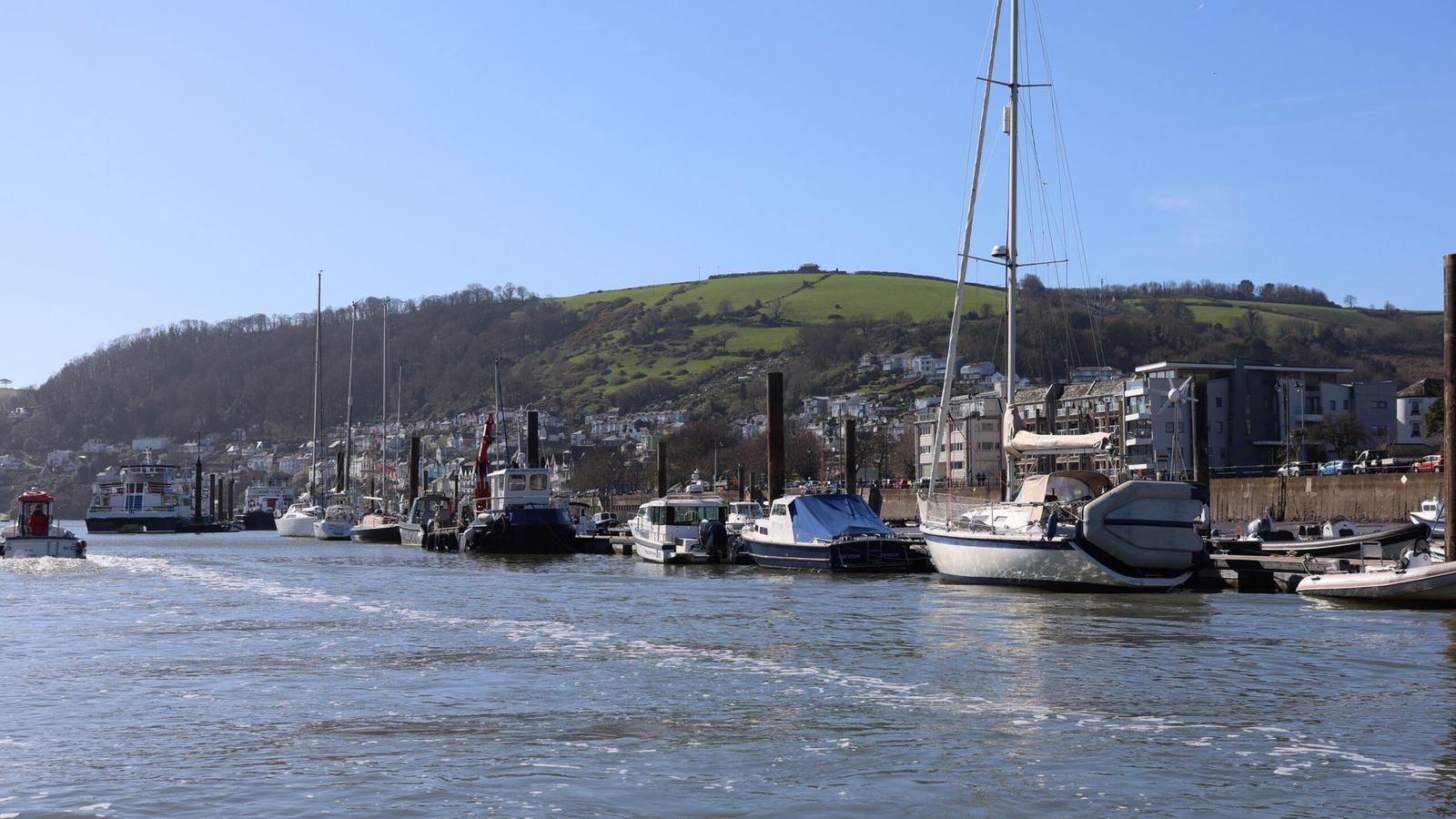
Dart Harbour's 2026 visitor system allows advance booking at Dartmouth and several upriver stops, offering a practical route through the waterfront town, Dittisham and other villages on the River Dart.
A river journey that begins in Dartmouth
The River Dart offers one of Devon's most appealing combinations of coastal arrival, historic waterfront and quieter inland exploration. Dartmouth sits near the river mouth, with Kingswear across the water and wooded hills rising beyond the town. For a visiting crew, the attraction is the possibility of securing a berth near shops and restaurants and then exploring a sequence of smaller places farther upriver without needing to turn every day into a long offshore passage.
Dart Harbour's visitor information for 2026 provides a particularly useful starting point because it explains different mooring areas and a new advance-booking arrangement. This is a guide to the experience rather than a pilotage plan. River conditions, ferry traffic, tides and navigational restrictions must be assessed using current official harbour information, charts and forecasts. The route and stopping places should be matched to the capabilities of the actual boat.
What changed for visitor bookings in 2026
Dart Harbour introduced the option to pre-book a number of visitor moorings for 2026, including facilities in Dartmouth and locations farther upriver. The published scheme covers the Town Jetty, DA and Deep Water pontoons, with additional options around Dittisham, Galmpton, Stoke Gabriel and Bow Creek. A prior booking can be helpful for a planned weekend, although the ability to request space does not guarantee that every berth will be available for every vessel.
The harbour authority distinguishes different types of mooring according to vessel size, location and whether crew can walk directly ashore. Visitors should read each facility's limits and booking conditions before committing to travel. An attractive destination may have suitable berths for one boat but not another because of length, draught or access requirements. The harbour office remains the appropriate contact for questions that cannot be resolved from the published tables.
Dartmouth's Town Jetty is the central option
The Town Jetty provides walk-ashore access close to Dartmouth's centre and is among the facilities included in the advance-booking arrangements. Dart Harbour identifies berths for craft between eight and eighteen metres in its online system, with water and electricity included in the published facilities. Its appeal is straightforward: once the boat is secure, crew can reach shops, cafés and the town's busy embankment without arranging a separate transfer.
That convenience should be balanced against the practical limits of the individual berth and the level of activity on the river. Larger or deeper-draught yachts should contact the office rather than assume an online category will accommodate them. Pricing and availability can change, so the 2026 visitor tables should be checked again when making a reservation. The pleasant prospect of stepping ashore directly is most enjoyable when the arrival has been planned carefully.
Pontoons and mooring buoys offer alternatives
Other Dartmouth options include the DA Pontoon near the northern embankment and Deep Water Pontoons on the Kingswear side of the river. The DA Pontoon provides walk-ashore access, while the Deep Water Pontoons are island facilities that require a separate way to reach shore. Mainstream fore-and-aft buoys offer another choice for suitable vessels. These arrangements can suit crews with different budgets and preferences about convenience and privacy.
A buoy or island pontoon should not be booked without considering how everyone aboard will get ashore and return safely. A tender or water-transport service may be required, and its practical usefulness will depend on local conditions and operating arrangements. Some craft may have difficulty with particular access methods. Ask the harbour authority about transfer facilities and the exact berth type before relying on a mooring as a base for a family outing.
A walk through Dartmouth's maritime town
Dartmouth rewards an unhurried walk along the embankment, where the movement of boats and the views towards Kingswear are part of everyday life. The town has a variety of independent shops, pubs and restaurants, making it easy to spend a few hours ashore without a fixed schedule. Its maritime history is apparent in the waterfront setting, while older streets provide an appealing contrast with the open space of the river.
A crew might begin with a late breakfast, take time to explore the town and return to the boat for an afternoon on deck. Those seeking more exercise can consider local coastal walks, provided weather and fitness are appropriate. The point of a boating holiday is not necessarily to fit every attraction into one day. Dartmouth works well as a base because a pleasant shore visit can be as simple or as ambitious as the crew wishes.
Dittisham provides the quieter upriver contrast
Dittisham is one of the River Dart's most recognisable village stops, known for colourful waterside cottages and a more relaxed atmosphere than the main port. Dart Harbour identifies eighteen white visitor buoys off the village, marked with maximum vessel sizes and included in the 2026 booking options. The village is a natural choice for a short break in an upriver itinerary, particularly for people who enjoy watching a river rather than a busy marina.
The visitor-buoy information places practical limits on vessel size, so a boat that fits comfortably at Dartmouth may not be suitable for the available moorings near Dittisham. Crews should confirm details with the harbour authority and prepare an appropriate method of reaching shore. A visit can be centred on a waterside meal or a quiet stroll. The slower pace is part of the attraction, not an invitation to ignore the particular operating conditions on the river.
Kingswear and Greenway extend the outing
Kingswear, on the opposite bank from Dartmouth, provides another perspective on the harbour and the wooded slopes beyond. The railway and ferries add movement to the landscape, while river crossings make the two sides feel connected even though their character differs. Visitors can also explore the Greenway area farther upriver, which is associated with a well-known historic house and extensive grounds.
Access to attractions such as Greenway should be checked against opening times and transport arrangements rather than assumed to be available from every mooring. The local ferry network and other operators may have seasonal schedules, while high water or weather can influence a small-boat journey. A river itinerary works best when the crew chooses one or two main activities and leaves flexibility for a later return or a change of plan.
More villages lie farther up the Dart
Dart Harbour identifies Galmpton, Stoke Gabriel, Bow Creek and Totnes among the places that make the river rewarding beyond Dartmouth. Each has its own relationship with the water, from sheltered creek settings to historic streets and nearby countryside. Smaller stops can appeal to crews who want a quieter mooring and a walk without the commercial pace of a town quay.
However, the suitability of upriver passages varies with draught, tides and local restrictions. Not every yacht that enters Dartmouth can travel to every place named in a tourism guide. Skippers should consult current charts, harbour notices and local advice before proceeding beyond familiar waters. The pleasure of a river cruise lies partly in understanding its geography and taking the time to use it responsibly.
Respecting a living estuary
The River Dart is not only a setting for visiting yachts; it is a working waterway and a habitat shared by birds, marine mammals and other wildlife. The harbour authority's visitor information mentions opportunities to observe seals and enjoy the riverside landscape. A considerate crew should maintain an appropriate distance from animals, minimise disturbance and use designated facilities for waste and other onboard services.
Good behaviour also means respecting commercial traffic, other mooring users and people living close to the river. A tender moving between a boat and shore can cause disruption if handled carelessly, particularly in narrow or busy areas. The exact regulations and speed limits should be checked locally. The best boating destinations remain attractive when visitors contribute to their care rather than treating the waterfront as a private leisure space.
Building a comfortable River Dart weekend
A realistic two-day visit might combine an evening in Dartmouth with an upriver excursion the following day, choosing Dittisham or another suitable location if conditions permit. A longer stay allows more time for local walks, ferry trips and simply enjoying life aboard. Dart Harbour's 2026 booking arrangements help with planning, but the boat's limitations and the weather should determine the actual itinerary.
Before arriving, verify the current mooring system, rates, access arrangements and any harbour notices. Bring the boat's exact dimensions and consider the needs of everyone aboard, particularly when using non-walk-ashore facilities. Avoid rigid promises about how far upriver a boat can safely go. Dartmouth and the River Dart are best appreciated with some freedom in the schedule, allowing the estuary's villages, scenery and maritime atmosphere to become the focus of the holiday.
Source: Dart Harbour — Visitors and 2026 mooring information.