
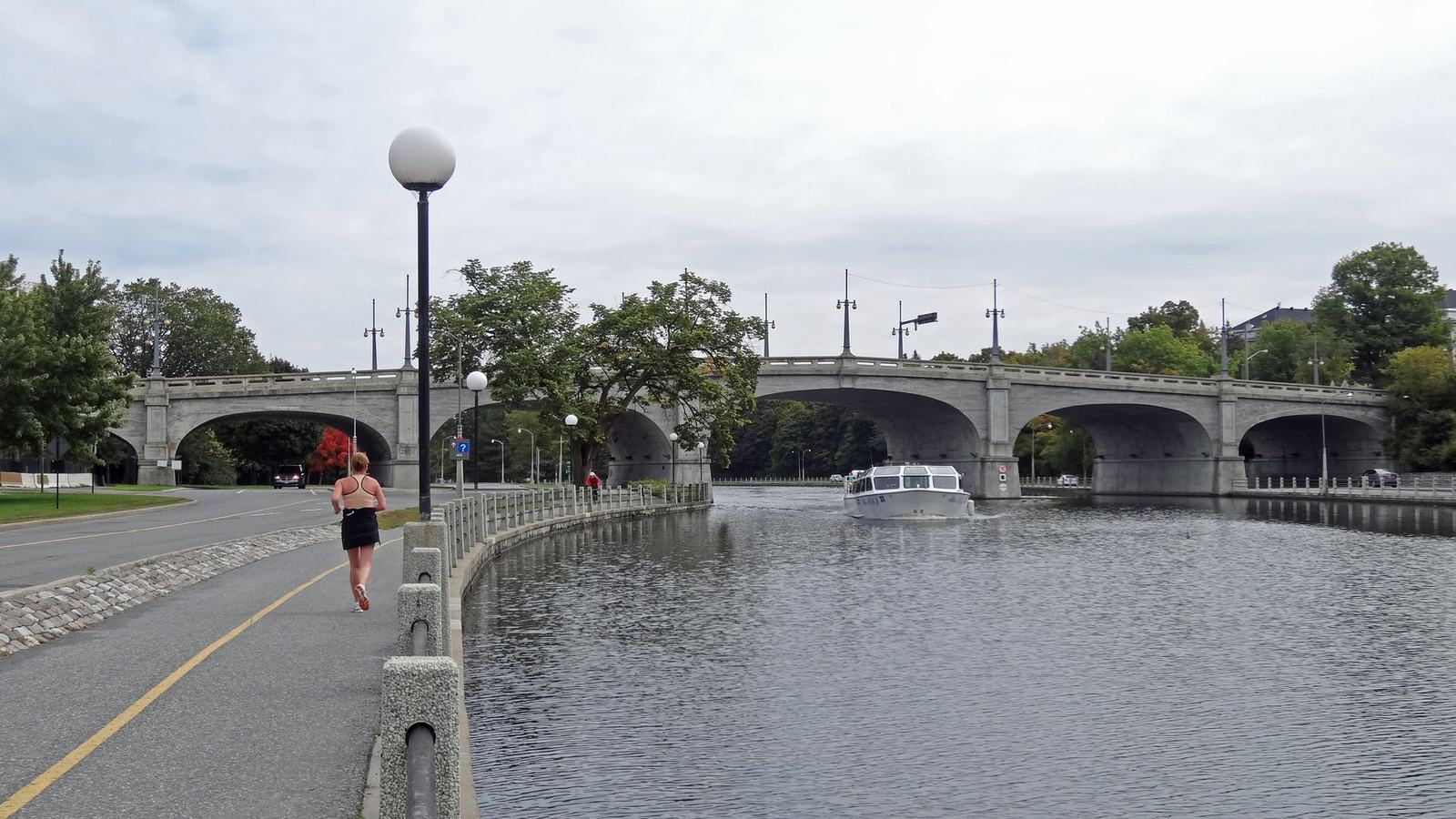
A detailed Rideau Canal paddling feature on heritage locks, portaging, open lakes, Ottawa access, camping, permits and small-craft navigation.
A heritage waterway between two cities
The Rideau Canal National Historic Site stretches 202 kilometres between Kingston and Ottawa in Ontario, connecting lakes, rivers, wetlands and historic locks. Parks Canada describes it as a particularly rewarding place to travel by canoe or kayak, with an unusually varied sequence of boating environments along one connected route. It is much more than an urban canal: some sections pass marshes and quiet channels, while others cross substantial lakes where wind and waves deserve respect. The system's heritage also adds interest, because the waterway was constructed in the nineteenth century while incorporating lakes and rivers that Indigenous people had used for generations. A small-craft traveller can choose an afternoon excursion or a much longer adventure. The best trip begins by understanding which section suits the paddler rather than assuming that all 202 kilometres offer the same conditions.
The navigation system has forty-seven locks
Parks Canada identifies forty-seven locks at twenty-four lockstations across the canal system. These structures help boats pass between different water levels and are an important part of the site's historical character. A canoe trip that includes a lock can be both educational and practical, but travelling through one requires following current instructions. Visitors can often choose between locking through and carrying a small craft around an appropriate lockstation. The Parks Canada paddling guide notes that portaging is generally possible at many locations without a lockage fee, while passing through a lock requires a permit. Details should be checked before travelling, including hours and any temporary works. A lock is not merely a photo opportunity; it is an operating piece of navigation infrastructure.
Kingston provides one end of the route
The southern section near Kingston includes the Cataraqui Marsh and connected waterways leading towards Kingston Mills and Colonel By Lake. Parks Canada describes changes in landscape and conditions even within this relatively short area. Marsh channels may offer shelter, while a lake can become rougher if wind strengthens. A small craft is especially affected by those differences, which is why an itinerary should not be designed only around kilometres. The surrounding natural environment creates opportunities to see birds and vegetation, but wildlife sightings are possibilities rather than guaranteed experiences. A visitor planning a short paddle can benefit from studying launch points and return arrangements before setting out. There is no requirement to complete a famous end-to-end route to appreciate the canal's history.
Big Rideau Lake has an open-water character
A central part of the route includes Big Rideau Lake and other scenic lakes connected by relatively short canal sections. Parks Canada describes this area as popular with boaters, with bays and islands that can be attractive to paddlers. It also warns that large lakes can become challenging in strong winds or thunderstorms. A pleasant shoreline excursion on one day might be unsuitable on another, and a paddler should avoid treating all parts of the lake as protected water. The choice of route should take account of forecast winds, group ability and safe access points. Canoes and kayaks may be able to explore quieter shorelines, but they still share the system with larger motorboats. Proper planning is essential even when a lake looks inviting from a nearby road.
Marshes and narrow channels offer contrast
The section around Beveridges and towards Smiths Falls includes winding rivers, marshes and shallower flooded areas. Parks Canada's guide highlights the Tay River and Tay Marsh among the places encountered. These environments can feel very different from the large open lakes, with vegetation and shorelines close to the paddler. A narrow channel does not necessarily provide unlimited access: there may be shallow areas, submerged obstacles or navigation rules that affect where a canoe can travel. The quiet atmosphere can reward patient observation, but travellers should respect sensitive habitats and keep to permitted routes. An official map and local advice remain useful even on water that appears slow moving. The value lies in the variety of scenery rather than the speed at which someone moves through it.
The approach to Ottawa feels more urban
From Long Island Locks towards Ottawa, Parks Canada describes winding waterways that become increasingly developed as the capital approaches. The route may be relatively sheltered in places, making it attractive to paddlers who want a day on the water without travelling far from city facilities. Yet urban waterways have their own considerations, including boat traffic, docks and the need to avoid obstructing channels. A visitor should not assume that being close to houses makes every place suitable for landing or swimming. The practical pleasure is seeing a city-connected water system from the low level of a canoe rather than from a road. For travellers with limited time, a carefully chosen urban-adjacent route can be more rewarding than a hurried attempt at a remote lake.
Portaging can be part of the adventure
A paddler who does not wish to use a lock may be able to carry the craft around a lockstation using designated facilities. Parks Canada explains that many stations have paddle docks or suitable take-out areas for that purpose. Carrying a canoe is not effortless, especially for someone travelling alone with camping equipment. The weight of the boat, the condition of the bank and the distance involved all matter. People should not improvise a portage over dangerous structures or near a dam. The official facilities and staff directions determine what is permitted. For some visitors, a short portage becomes a memorable part of the trip; for others, paying for lockage and travelling through a chamber may be more practical. The best decision is informed rather than rushed.
Lockage permits and other rules need checking
Travelling through the Rideau locks requires a valid permit under the published Parks Canada guidance. Camping or using other facilities may involve separate arrangements and fees. A visitor should not assume that one ticket automatically covers every activity or the whole season. Opening schedules and prices may change, particularly outside the main boating months. A modern paddlecraft can use historic infrastructure, but the site is managed with both navigation and preservation in mind. Following instructions helps protect people and the structures themselves. Checking the current permits and any closures before departure is more useful than relying on an old forum post or a photograph of a lock with its gates open.
Dams and waste weirs require distance
Parks Canada explicitly warns paddlers to keep away from dams and waste weirs. These structures can involve hazardous currents and water movement even when the surrounding canal appears relatively calm. The agency notes that some hazardous areas are marked with signs or booms. A paddler should not cross a barrier or assume the water is safe because another boat passed nearby. Planning to use the main navigation channel or designated portage points is essential. The agency classifies the main paddling route differently from the water at dams, making clear that risk is not uniform throughout the system. A general holiday guide cannot replace safety information for a particular location. Current Parks Canada guidance and local warnings must be followed.
Bigger boats create wake
The Rideau system is used by motorboats as well as canoes and kayaks. A low craft may be affected by a passing boat's wake, and a novice might find the resulting movement unsettling. Parks Canada advises paddlers to be prepared for waves and to manage the boat's orientation and balance appropriately. The exact manoeuvre depends on conditions, craft and the paddler's training. A sensible route often follows quieter shorelines where permitted rather than remaining unnecessarily in the busiest navigation channel. Visibility also matters, particularly near bends and bridge openings. The pleasure of paddling a shared historic waterway depends partly on recognising that other visitors have different vessels and activities, and that everyone needs to operate responsibly.
The official guide lists safety equipment
Parks Canada's paddling information identifies equipment including a lifejacket for each paddler, an extra paddle, a bailer, a whistle or horn and a throw rope. Specific legal requirements and recommended equipment may vary by the craft and operating circumstances, so travellers should verify current boating rules before departure. A lifejacket only helps properly when it is suitable and used appropriately. The spare paddle matters because losing the only means of propulsion can become serious far from shore. Communication and an understanding of the route are equally important, particularly on longer excursions. The list is not intended to make a peaceful canoe trip appear frightening. It recognises that prepared travellers are better placed to enjoy the surroundings when something unexpected happens.
A whole-canal adventure is a serious commitment
The official guide suggests allowing roughly six to ten days to paddle the entire 202-kilometre system, depending on weather and ability. That is a useful scale for experienced travellers planning a long journey, not a target every visitor should try to meet. It involves accommodation, gear, daily distances, lock operations and contingency planning. Someone new to canoeing may be better served by a half-day route with a straightforward return. Even experienced paddlers can underestimate how much a headwind slows progress across a large lake. The possibility of a multi-day adventure makes the Rideau appealing, but so does the freedom to enjoy one particular section without the pressure of completing everything. The waterway offers a range of experiences rather than one compulsory itinerary.
Camping near lockstations adds to the appeal
Parks Canada describes camping opportunities at many lockstations, typically allocated on a first-come, first-served basis at the lockmaster's discretion. Other options may include reserved accommodation and distinctive oTENTik shelters where available. These facilities can make a longer paddling holiday possible without requiring every night to be spent in a remote wilderness camp. Conditions and availability still need confirmation, and a visitor should carry appropriate supplies rather than rely on a guaranteed spot. The chance to stop near historic infrastructure can be an enjoyable aspect of the journey, especially when there is time to walk around and learn about the site. A good camping plan includes alternative options in case a preferred location is unavailable.
May, June, September and October are highlighted
The Parks Canada guide identifies shoulder-season months as particularly attractive for paddling, with less motorboat traffic and often more comfortable conditions than the busiest summer weeks. Those months are not guaranteed to be warm or calm. Water and air temperatures may be lower, and some operating hours can differ. In July and August the system can still provide rewarding trips, especially when paddlers choose quieter routes away from the main traffic. A visitor reading in late November should not assume that locks and facilities operate on the same schedule as summer. The right season depends on experience, planned route and the current information from Parks Canada. The most enjoyable journey is one that balances access, weather and personal comfort.
The canal's construction remains visible
The Rideau was built under the direction of Lieutenant Colonel John By of the Royal Engineers, but Parks Canada also acknowledges the earlier use of the lakes and rivers by Indigenous communities. This long history helps explain why the canal's present landscape contains both natural and engineered sections. The agency notes that only a relatively small part of the route is artificially cut channel; many kilometres are existing lakes and waterways linked into one navigation system. Travelling by canoe can make those differences visible in a way that a fast road trip cannot. A visitor may move from a quiet marsh into a historic lock and then across an open lake within one journey. Understanding the history adds interest without requiring passengers to undertake a technical study of canal engineering.
A flexible water holiday with genuine heritage
The confirmed Parks Canada guidance establishes the Rideau's 202-kilometre length, forty-seven locks, twenty-four lockstations and varied paddling environments, with options for short trips and much longer journeys. It also explains permits, portaging, safety concerns and camping possibilities. Exact opening times, fees and current water conditions should be checked before travelling. A licensed historical photograph of the Rideau Canal is an illustration of its character rather than proof of an individual 2026 departure. For the leisure boat enthusiast, this waterway brings together the pleasure of paddling and a distinctive built heritage. A modest journey through one or two sections can be a holiday highlight precisely because it offers enough time to notice the changes between forest, settlement and historic navigation.
Sources and photograph attribution
Official destination and boating guidance: Parks Canada — Rideau Canal Paddling. Current access, rules, weather and reservations must be checked independently before travel.
Photograph: Suwannee.payne — Rideau Canal Boat Ride.jpg (CC BY-SA 3.0) via Wikimedia Commons. Original image resized as JPEG. Historical authentic photograph of boats on the Rideau Canal; not evidence of current lock operation, a canoe rental or a 2026 departure. Source: https://commons.wikimedia.org/wiki/File:Rideau_Canal_Boat_Ride.jpg. Licence: https://creativecommons.org/licenses/by-sa/3.0. Original rights remain with the credited creator or as specified by the source and licence.
