
The Canal & River Trust sets River Weaver winter lock bookings from 1 November 2026 to 31 March 2027, helping inland leisure-boaters prepare river journeys. This independently written small-craft guide uses official park, operator and tourist-board information; all seasonal arrangements must be rechecked before travel.
Boaters planning a trip on Cheshire's River Weaver Navigation this winter have a defined set of seasonal operating arrangements to check before travelling. The Canal & River Trust's official River Weaver boating information states that winter lock bookings apply from 1 November 2026 through 31 March 2027 and lists Vale Royal, Hunts, Saltersford, Dutton and Marsh Lock in the arrangements. The waterway itself is described as a 20-mile navigation with five locks, connecting a landscape of riverside communities, industrial heritage and areas for quieter inland cruising. For Leisure Boat Guide readers, this is a practical lifestyle update rather than an invitation to ignore current notices: winter boating can be rewarding, but the locks, river levels, swing bridges and weather need particular attention. The information is current as published by the navigation authority and should be checked again immediately before any passage.
A river navigation with its own character
The River Weaver is different from a narrow canal because its channel, lock structures and surrounding riverside setting reflect a wider navigation history. Its 20-mile published length gives boaters a useful sense of scale without implying that every part can be travelled at the same speed or in the same conditions. The waterway passes through changing landscapes and forms part of Cheshire's inland network. A small cruiser or narrowboat holiday may include slow passages, stops ashore and time observing the local environment. Planning should be based on the actual craft, access points and navigation notices rather than on the assumption that a short mileage always means an easy day. Winter conditions can make modest journeys more complex than summer visitors expect.
The winter window has specific dates
The Trust's published operating arrangements cover 1 November 2026 to 31 March 2027 inclusive. This period matters because routine seasonal procedures may differ from a summer timetable. Travellers who normally arrive at a lock expecting to pass should not assume the same arrangement applies in winter. The guidance refers to advance bookings through the Trust's online account system for the named locks. Since operating notices can be amended, the date window should be treated as the announced framework rather than proof that every lock will remain available on every day. Boaters should inspect current stoppages, water levels and operational contacts before setting out from their home mooring or holiday base.
Book the listed locks rather than guessing
The official page names Vale Royal, Hunts, Saltersford, Dutton and Marsh Lock within its winter booking information. Its wording refers to 'four main locks' while also listing five names, so a cautious guide should not try to reconcile that discrepancy by inventing an exemption. The sensible action is to confirm with the Canal & River Trust which locks require a reservation for the intended route, especially if a trip passes through the Weston Marsh section. Online booking should be completed for the actual dates, vessel and direction of travel as required by the authority. A traveller should save the confirmation and know how to contact the local team if a schedule changes. This is more reliable than advice based on an outdated summer itinerary.
Dimensions on the route are not all identical
The Trust publishes different maximum navigation dimensions for sections of the River Weaver. Its page lists a larger length and width for the river up to Winnington and a smaller set of limits for the stretch toward Winsford. Those figures are for the navigation's capacity, not a recommendation for visitors to approach the limits with minimal clearance. Leisure craft under 12 metres may be well within published maximum lengths, but beam, draft, air draft and the condition of bridges still matter. A skipper should verify their actual vessel dimensions and compare them with current information. Water level changes and maintenance works can affect clearance. A general editorial article is not a substitute for a route-specific passage plan.
Swing bridges can require coordination
The navigation authority explains that certain bridges along the Weaver can be swung for vessels that need the opening, with coordination through the local team. This is important for taller leisure boats, but the presence of a movable bridge does not guarantee immediate passage when a boat arrives. Operating arrangements, staff availability and the condition of the waterway may dictate the timing. Skippers should ask which structures affect their route and whether advance notice is necessary. A low-profile craft may encounter different clearance considerations, but that should be established from verified measurements rather than assumed. Good coordination reduces pressure on the crew and helps avoid unnecessary waiting near a bridge or lock approach.
Winter cruising can be deliberately unhurried
One attraction of travelling on inland water in the quieter months is the chance to appreciate the landscape at a slower pace. Riverside views, changing light and fewer crowded stopping places may appeal to experienced boaters who are comfortable with shorter days and cold conditions. That pleasure depends on preparation. Freezing temperatures, slippery surfaces and reduced daylight can complicate simple tasks such as securing lines or boarding. A route that felt easy in August may require a more conservative schedule in January. Choosing a manageable distance and allowing time for lock appointments can turn winter boating from a demanding timetable into a more thoughtful journey.
River conditions deserve separate attention
A river navigation can respond to rain and changes in flow more quickly than a sheltered artificial canal. Strong streams, elevated levels and floating debris can alter safe navigation. The Canal & River Trust provides notices and information about water levels and strong stream warnings, and these should be consulted alongside the winter lock rules. A confirmed lock booking is not permission to proceed when river conditions are unsafe. Operators may suspend passage or change procedures in response to weather. Boaters should accept those decisions and maintain an alternative plan. A safe winter outing is one in which the crew is willing to delay, shorten or cancel a trip when the actual waterway differs from the conditions anticipated at home.
Heating and ventilation need careful thought
Winter cruising places greater demands on cabin comfort, heating and electrical equipment. The correct approach depends on the vessel's installed systems and the manufacturer's instructions. Heating equipment must be maintained and ventilated appropriately, and carbon-monoxide precautions are essential where combustion appliances are used. A short cruise does not remove the risk associated with unsafe stoves or heaters. Portable devices should not be improvised in enclosed cabins, and boaters should follow appropriate safety guidance. The official River Weaver page is focused on navigation, not on certifying the condition of each private craft. Preparing the boat before departure is therefore a separate responsibility that should not be overlooked.
Lock approaches can be slippery in cold weather
Working lines and moving around a boat near a winter lock requires attention to wet decks, frost and reduced grip. Crew members should have secure footwear and avoid unnecessary rushing. A lock passage involves communication among people on board and, where applicable, the navigation authority's staff. The equipment and procedure at a particular lock can differ from another, so the local operator's instructions take priority over generic advice. A family or mixed-experience crew may benefit from rehearsing responsibilities while still at the mooring. Winter boating can be enjoyable without requiring everyone to take part in the most demanding tasks. The aim is calm handling and adequate time rather than speed.
Route planning should include places to stop
A successful inland cruise needs more than a start point and destination. Boaters should consider the availability of visitor moorings, water, waste disposal, fuel where relevant and safe places to pause if conditions change. Facilities can have restricted winter hours, and not every stopping place is suited to every craft. The Trust maintains boating information and notices, but a travel article cannot guarantee a berth or service opening. The best approach is to plan a primary route and a realistic shorter alternative. Anyone travelling with children, pets or people with mobility needs should pay particular attention to safe access ashore. A riverside view is more enjoyable when the crew is not preoccupied by avoidable logistical problems.
The river's heritage can be part of the holiday
The Weaver Navigation's locks and bridges are reminders that waterways have been adapted for transport and commerce as well as recreation. Modern leisure boaters can enjoy that history at a gentler pace, taking time to observe structures and riverside settlements. Industrial heritage should be appreciated without trespassing or treating working infrastructure as a visitor attraction without permission. Photographs can document the experience, but they should be taken from safe places and never distract the helmsman during a critical manoeuvre. The landscape offers an additional reason to choose a local inland journey over a longer journey by road. Navigation and respect for current operations must nevertheless come first.
A shorter boat can still need full preparation
The LBG audience includes small cruisers, dayboats and other vessels below 12 metres, but being compact does not mean a craft is exempt from licensing, safety requirements or local operating procedures. The type of boat, propulsion, equipment and planned route determine what preparation is appropriate. A dayboat may be poorly suited to a long, cold passage without shelter, while a properly equipped small cruiser may be more comfortable. Skippers should avoid assuming that size alone establishes suitability. For any winter outing, the crew's experience and the boat's condition matter as much as the destination. Checking local rules before launch is part of responsible ownership.
Official photographs should not imply current conditions
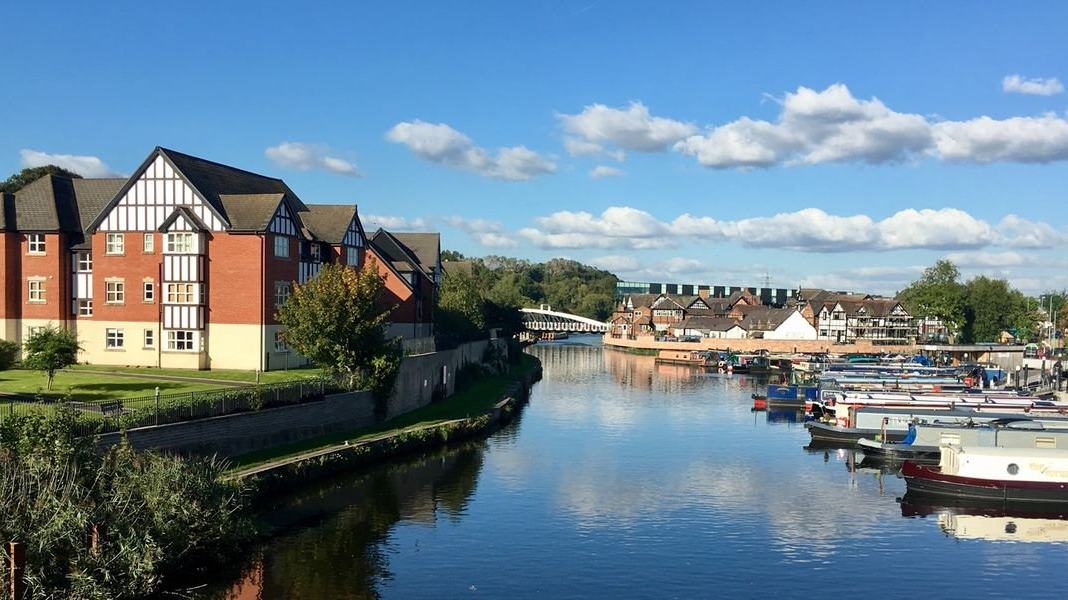
The accompanying image comes from the Canal & River Trust's official River Weaver navigation page and is credited to the authority. It illustrates the waterway, not the exact water level, weather or lock availability for the date a reader intends to travel. That distinction matters because a scenic photograph taken in favourable conditions may make a winter passage appear simpler than it is. Image provenance confirms the geographical context; current navigation decisions must still follow the Trust's notices and staff advice. The picture is not presented as an independently verified live view or as evidence that every facility is open. Source-specific photography should support reporting without replacing practical information.
Confirm the route again immediately before departure
The official River Weaver Navigation page documents the winter season through 31 March 2027, identifies the locks within the booking arrangements and supplies route dimension and bridge information. Those are the facts on which a boat owner can begin planning. They are not a guarantee of a completed passage, a forecast of safe river levels or a substitute for the skipper's responsibilities. For Leisure Boat Guide readers, the Weaver offers a rewarding winter inland destination precisely because it invites a slower style of travel. An enjoyable trip begins with accurate bookings, suitable equipment, flexibility about conditions and a willingness to follow the navigation authority's latest directions.
Explore related Leisure Boat Guide lifestyle reporting
- Santa Cruises Bring Christmas to Cheshire's Canals in 2026
- Lake Alqueva by Houseboat: Portugal's Alentejo Waterways and Quiet Shore Villages
- Paris Nautic Show Marks 100 Years of Leisure Boating in 2026
- Kayaking at Jurong Lake: A Green Water Escape in Singapore's Western District
Primary reporting and image credit
Primary manufacturer and organiser source(s): https://canalrivertrust.org.uk/canals-and-rivers/weaver-navigation/boating-on-the-river-weaver-navigation. © Canal & River Trust. Original official waterway image accompanying its River Weaver navigation and seasonal lock-booking guidance. Image is used only for correctly attributed factual editorial coverage and never represented as open-licence stock photography.
Source
Canal & River Trust