
Plan a small-boat holiday on Saskatchewan’s Waskesiu Lake with Prince Albert National Park’s watercraft rules, lakeside recreation and visitor access advice.
For small-boat owners who enjoy combining time on the water with a holiday on land, Prince Albert National Park in Saskatchewan offers a distinctive setting. Lakes, beaches and forested surroundings encourage visitors to organize a trip around several outings rather than one long passage. Waskesiu Lake is among the waters Parks Canada identifies as eligible for motorized pleasure craft under its visitor guidelines. This makes it a useful starting point for understanding what is possible, and what requires more consideration, before planning the next boating season.
At the end of November, a summer holiday remains a future prospect rather than an invitation to launch immediately. Seasonal services, ice, weather and restrictions can affect what is suitable. The park's published rules provide a framework, but visitors should check the arrangements for their actual dates before making a firm plan.
Choosing a lake according to the craft
Parks Canada lists Waskesiu, Crean, Kingsmere, Sandy and the Hanging Heart lakes as waters on which motorized pleasure craft are ordinarily permitted. It also identifies a motor horsepower limit on Kingsmere. Non-motorized activities such as sailing and paddling are permitted on park waters in general, subject to applicable closures and restrictions.
This distinction is useful for a family that owns more than one type of boat. A motorboat may suit a day on a permitted lake, while a canoe could be more appropriate for a quieter visit elsewhere. The decision should not be based solely on the convenience of transporting the boat. Check the actual access, applicable restrictions and suitability of each waterbody rather than assuming every lake follows the same rules.
Understanding the exclusion of personal watercraft
The park guidelines prohibit personal watercraft such as jet skis and similar vessels. A small physical size does not in itself establish eligibility to use a powered craft. Owners should consult the park if there is uncertainty about the classification of a particular vessel or propulsion system.
This matters when households consider hiring equipment as part of their holiday. Establish which activities are permitted before reserving a craft or transporting it. A vessel marketed as a convenient way of exploring a lake may not fit the local rules. Selecting equipment that suits both the environment and regulations is a more reliable way to prepare for a successful visit.
Selecting a lakeside base
Waskesiu's appeal includes the possibility of combining boating with time ashore. Parks Canada identifies day-use areas with recreational facilities throughout the park, but arrangements at individual locations and seasonal availability must be checked. Consider where a boat can be stored, launched and recovered lawfully in relation to accommodation and other activities.
A lakeside base reduces the pressure to make every outing lengthy. A household can choose a short excursion in suitable conditions and return to spend the afternoon elsewhere. Confirm the terms of any marina or other service before relying on it, particularly when travelling with a trailer. A reservation for accommodation should not be assumed to include boat storage, ramp access or mooring.
Choosing between hiring and bringing equipment
Transporting a boat to a national park can be worthwhile for a crew that knows its craft well and expects to use it frequently. Hiring at the destination may reduce the complexity of towing and storage, provided an authorized operator and suitable craft are available. Compare the options in terms of experience, cost, availability and restrictions.
Ask the operator about boat capacity, safety equipment and any limits on the area of operation. A beginner should consider the value of instruction or an appropriately guided outing. If bringing equipment, verify the trailer and tow vehicle arrangements, ensure the craft is maintained and check current biosecurity requirements before making the journey. Arrange these details before deciding how much equipment to pack.
Treating an inflatable as a vessel
The visitor guidelines note that an inflatable used for navigation is considered a vessel, and its occupants require flotation and safety equipment. A recreational inflatable should not be treated as a harmless toy simply because it is lightweight or easy to transport. Its design and suitability for the intended conditions are important.
Select an appropriate craft, follow its load limits and manufacturer instructions, and confirm current Transport Canada safety requirements. Each occupant should have correctly fitted flotation equipment. Consider how wind can push a lightweight craft away from its intended landing point. For children and beginners, appropriate supervision and a modest sheltered outing are preferable to relying on the apparent simplicity of the equipment.
Learning to share the water
A national park brings together people with different approaches to lakes. Some want to travel under sail, others prefer quiet paddling, and others enjoy operating motorboats on permitted waters. People on shore may be seeking solitude or watching wildlife. Good boat handling helps these experiences coexist.
Motorboat operators should remain alert to smaller vessels, maintain appropriate separation and avoid unnecessary wake near shore or other users. A paddler should select a route compatible with prevailing conditions and traffic rather than assume that a motorboat will always see a low-profile craft. Consult local navigation restrictions and signs before launching. The objective is to operate predictably and reduce the possibility of conflict, not to claim priority at every opportunity.
Preparing for conditions rather than distance
A broad lake can develop difficult conditions when wind increases. Before launching, consult the forecast and consider the orientation of the intended route, available shelter and means of returning safely. A small boat loaded with camping equipment or several passengers may handle differently from the same craft used alone.
Set a realistic plan with an alternative stopping or turnaround point where lawful. Make sure a responsible person knows the intended outing and expected return, and carry appropriate communications and emergency equipment. Boaters unfamiliar with the area should seek local advice about conditions and navigation hazards. Permission to operate a particular type of vessel is not a guarantee that it is suitable for the conditions of the day.
Taking biosecurity seriously before arrival
National park waters are sensitive environments, and boat owners need to investigate current requirements concerning aquatic invasive species. Clean, drain and dry the craft and associated equipment, including the trailer and fishing gear. Confirm whether inspection or decontamination is required, especially when equipment has previously been used in waters subject to special measures.
Do not assume that rules from another national park are identical to those at Prince Albert National Park. Requirements can be specific to individual waters and may change in response to new risks. Check the park's current important bulletins and ask staff about eligibility if the boat's history is uncertain. Allow sufficient time to complete any required process before planning an outing.
Combining boating with a park visit
A national park holiday involves responsibilities ashore as well as afloat. Parks Canada's guidelines describe conditions for camping, day-use areas and quiet enjoyment. Visitors should use designated facilities, keep food and waste contained and comply with current fire and wildlife guidance. A roadside pullout or day-use area should not be treated as an alternative to an authorized campsite.
A family with a boat may find it helpful to divide the trip into several different experiences. On one day, conditions might suit a modest trip on the lake. On another, walking or a relaxed picnic at an appropriate location may be better. This gives the crew flexibility without making a booking or the effort of transporting the boat the deciding factor in whether to launch.
Planning the return to the water
Before the next season, consult Parks Canada's current Prince Albert National Park information, visitor guidelines and bulletins. Confirm dates and services for the chosen site and suitability of the intended boat. Keep track of any restrictions relating to prior use of the equipment or the type of activity being planned.
Waskesiu can be a rewarding small-boat holiday base when the water is accessible and conditions are appropriate. The important decision is not simply to bring a boat but to choose a craft, destination and routine that suit the park. A crew that prepares carefully and appreciates alternatives ashore can enjoy the character of the lakes without treating every day as an obligation to navigate. A short outing with time to spare may become the most memorable part of the trip.
Explore related Leisure Boat Guide lifestyle reporting
- Clear Lake Boating: Riding Mountain’s 2026 Tagging Season and 2027 Preparations
- Beausoleil Island by Boat: Georgian Bay Moorings and Island Camping
- Lake George in a Trailer Boat: The Inspection That Comes Before Launch
- Trent–Severn Canoe Camping: Lockstation Routes and Safety in Ontario
Primary reporting and image credit
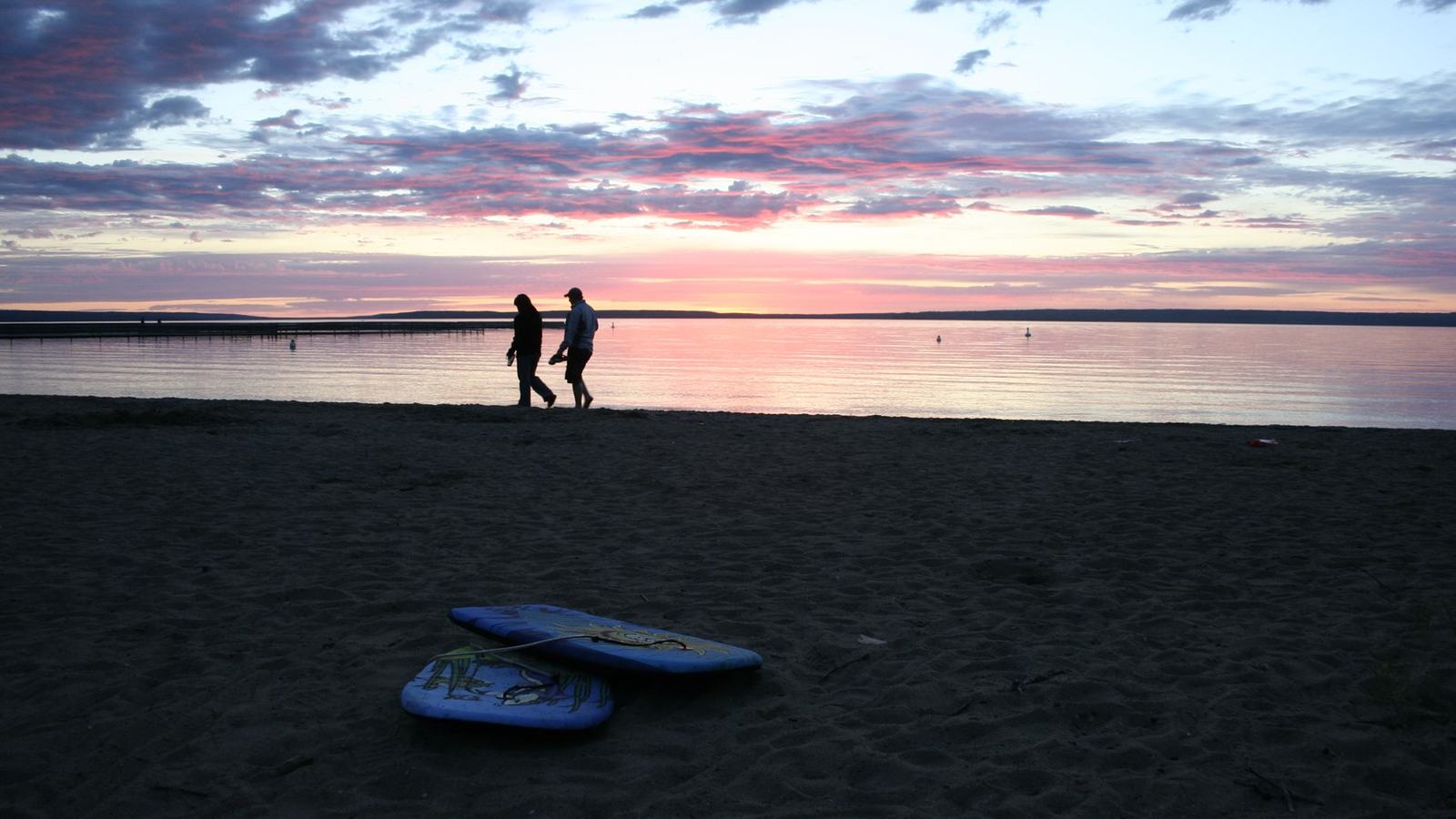
Contextual hero photo by Carolyn Paterson, resized adaptation. Original photo and attribution; CC BY-SA 4.0 licence. Photograph is not evidence of new or open facilities or current conditions.

Primary authority and organiser source(s): https://parks.canada.ca/pn-np/sk/princealbert/securite-safety/reglementation-guidelines. Waskesiu beach, photograph by Carolyn Paterson, CC BY-SA 4.0, via Wikimedia Commons. Resized or cropped contextual photograph; not a current conditions or access photograph. Image is used only for correctly attributed factual editorial coverage and never represented as open-licence stock photography.
Source
Parks Canada