
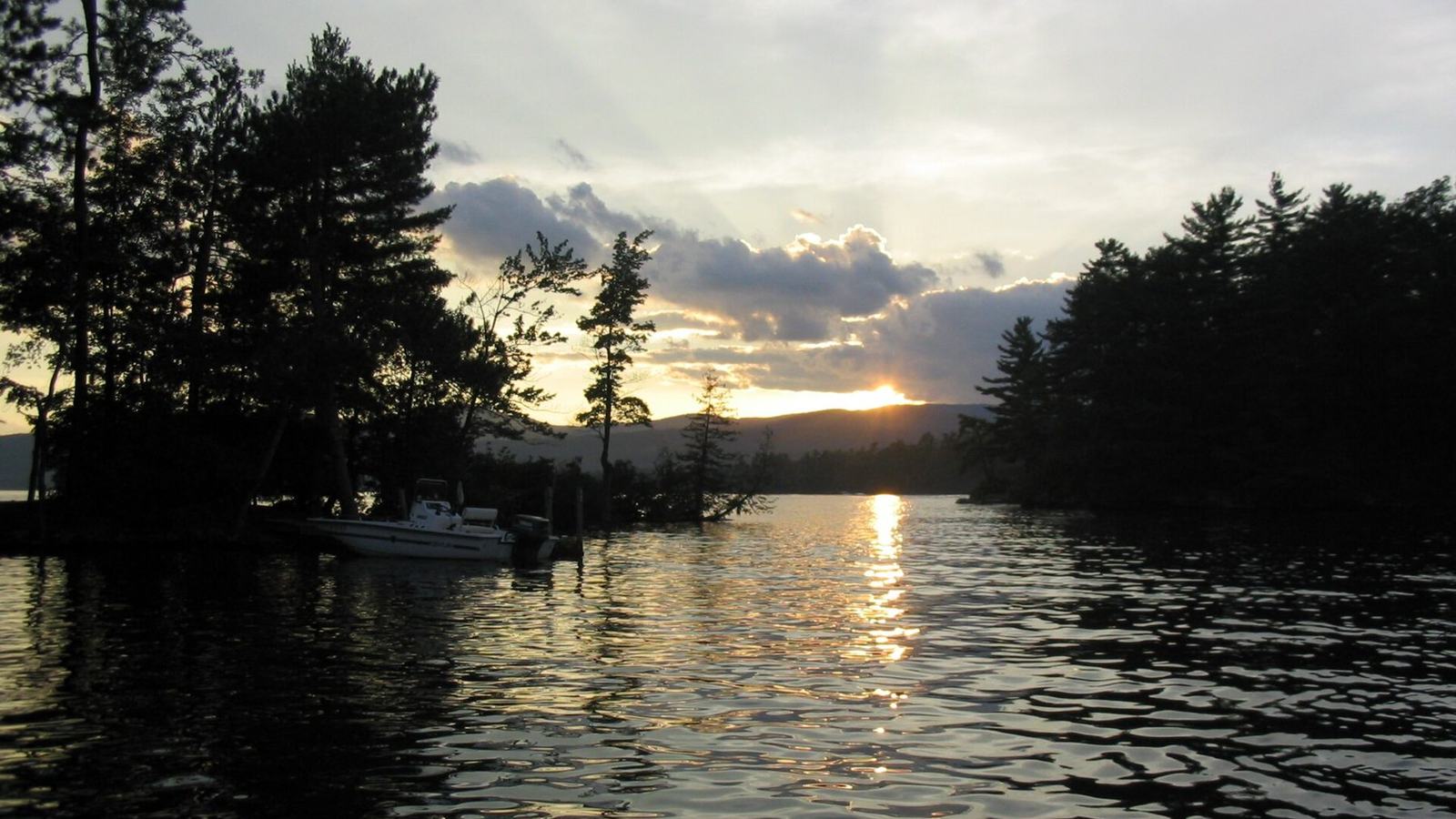
Lake George rewards a carefully planned small-boat day, but trailered vessels must first meet New York's inspection and sealing requirements.
The lake begins at the inspection station
For a visitor towing a modest motorboat to Lake George in New York, the first essential destination is not the slipway. The Lake George Park Commission operates a mandatory inspection-and-seal programme for trailered boats. That one detail can determine whether an early start becomes a relaxed day on the water or a frustrating detour with the family waiting in the car. The programme protects a lake treasured for its clear water, island scenery and boating recreation. A sensible owner treats inspection as part of the launch plan, just like fuel, safety equipment and trailer lights. Understanding the requirement before departure leaves more time for the enjoyable part: moving quietly past wooded shorelines in a craft suited to a day trip.
Who needs an inspection
The Commission says trailered boats must be inspected and sealed at a regional inspection facility before they are launched into Lake George. The requirement includes trailered powerboats, personal watercraft and sailboats. The official FAQ distinguishes car-top craft such as canoes and kayaks from the trailered-vessel inspection requirement, although every user still has a duty to avoid spreading aquatic invasive species. Read the current FAQ carefully because a detail about your particular type of boat or a previously applied seal may change the procedure. Do not assume that a small hull, low horsepower or brief visit creates an exemption. If you are unsure, contact the Commission before towing a boat several hours to the lake.
Clean, drain and dry before leaving home
The Commission’s advice is straightforward: clean, drain and dry the boat before arriving. Remove visible plants, mud and debris from the hull, trailer, propeller area, anchor and any other equipment that has contacted another waterbody. Drain water from bilges, livewells and relevant compartments in accordance with the vessel’s design and transport rules. Allow equipment to dry as recommended; a boat that looks clean at a glance may still carry water or organisms in less visible places. Check tie-downs and the drain-plug procedure before travelling. The cleaner and better prepared the boat, the easier the process at the inspection site. This is environmental protection carried out through ordinary boating discipline.
How the seal fits into the day
An inspected vessel can receive a seal that documents its status under the Commission’s programme. The official guidance explains when a boat that has remained sealed and has not visited another waterbody may be eligible to launch without repeating the full inspection. That is a conditional process, not a permanent approval attached to the trailer. Ask for the current seal rules and understand what happens if the seal is broken or the boat enters another lake. Keep the documentation or evidence provided with the boat. Rental customers should check whether the operator handles these requirements. The inspection system is designed to preserve water quality; treating it as a quick box to tick misses why the rules exist.
Station opening hours matter
A trailered boat is not ready to launch simply because the skipper has arrived at dawn. Inspection stations have operating arrangements and hours that must be verified for the actual date. Consult the Commission’s current station information and check the proposed launch site separately. Do not rely on an old travel blog or a map pin for seasonal access, and do not plan a distant outing before confirming that inspection can be completed. It is wise to leave margin for queues on a popular weekend. Prepare paperwork, lines and removable gear while waiting where permitted, but do not obstruct other vehicles. A ten-minute check at home can prevent a much larger delay on arrival.
Rules once afloat
After launching, speed and wake responsibilities become the priority. Lake George has special navigational regulations published by the Park Commission. The rules include different maximum speeds for day and night operation, and separate provisions for personal watercraft. Read the current text for the precise applicable limits, restricted areas and definitions; a general statewide boating rule may not capture everything local. Maximum legal speed is rarely the correct speed near a dock, swimming area, paddleboard or another boat’s stern. A small runabout that settles awkwardly between displacement and planing speeds can create considerable wash. Adjust throttle for the actual surroundings, not for a target number on the display.
Choosing a manageable outing
Lake George’s scenery makes it tempting to cover a great deal of water. For a first visit, limit the day to an area you can comfortably navigate and return from with a fuel reserve. Check the chart for islands, shallows, channels, navigation markers and places where landing or stopping is prohibited. Do not assume that a visible shoreline permits beaching or mooring; the Commission has rules on shoreline use and docks, and private property must be respected. A family outing often works better with one planned sheltered pause than with an ambitious sequence of stops. Keep time available for the return journey, loading the trailer and any unexpected delay at a busy ramp.
Island views without uninvited landings
A wooded island can look like the perfect picnic destination, particularly from a small boat moving slowly through calm water. But beauty and public access are not the same thing. Some sites have managed facilities and reservation or use conditions; others may be restricted or unsuitable. Use official recreation information to establish whether a particular landing is allowed and what fees or arrangements apply. Never tie up to another operator’s dock or beach a boat on the assumption that nobody will mind. When a legal shore stop is not practical, enjoy the scenery from the water while keeping clear of swimmers, moored craft and navigation routes. It is a more considerate form of exploration.
Lifejackets, crew and a cold-water plan
Prepare safety equipment for the actual boat and conditions, not for an ideal photograph of the lake. Check New York’s current lifejacket requirements and ensure that every passenger has a properly sized approved device. Children and inexperienced boaters need clear instruction about moving around, staying seated during manoeuvres and what to do if someone goes overboard. Even on a warm day, lake water can be cold enough to complicate recovery. Establish how you would reboard a person, call for assistance and return if the motor fails. An open twelve-foot utility boat and a more substantial cabin runabout may both qualify as leisure craft, but their exposure and recovery capabilities are very different.
The realities of a trailer-boat launch
Approach the ramp with the boat fully prepared in the staging area. Confirm that the inspection requirement has been met, remove transport straps only at the appropriate time and secure a bow line before the boat is afloat. Keep children away from the reversing vehicle and agree who handles the boat while the driver parks. When retrieving, have a simple sequence: secure the craft, move away from the active slipway and finish draining, tying down and packing in the designated space. The launch is a shared public facility rather than an opportunity for an extended rigging session. Good ramp etiquette is one of the easiest ways to improve everybody’s Lake George day.
Fishing, paddling and other users
A skipper in a powered small boat should always expect people who move at very different speeds. Anglers may be stationary near structure, kayakers can emerge from quiet bays, and swimming areas demand an especially conservative approach. Slow down early and avoid turning a narrow passage into a contest over right of way. Give boats at anchor enough clearance that your wake does not make their occupants struggle to stand or retrieve equipment. Avoid discarding fishing line, plastics or food waste. The lake’s invasive-species protections and its everyday courtesy rules are connected by the same idea: each visitor’s choices affect the experience of people who come afterward.
A pre-departure checklist worth keeping
Before leaving home, confirm the inspection station and its opening hours, the launch site and any relevant registration or permit requirement, the fuel plan, a suitable forecast and the lake’s navigation rules. Confirm the hull is clean, drained and dry, then check lights and tyres on the trailer. Bring a properly fitted lifejacket for every person, communications equipment, a chart or reliable navigation reference and whatever safety gear the vessel class requires. Ask the crew to agree on a realistic return time. If conditions deteriorate or a planned facility is unavailable, shorten the cruise. The strongest boating day is one with enough spare capacity for ordinary surprises.
Why the extra preparation is worthwhile
Lake George provides exactly the kind of setting in which a small trailer boat comes into its own: easily shared family time, long views and routes that can be scaled to weather and experience. The inspection rule is not an incidental bureaucratic hurdle but a central part of protecting that setting. Arrive with a compliant boat, understand the seal process and follow the Commission’s local navigation rules after launch. The result is a day less likely to be interrupted by avoidable problems. A boat under twelve metres does not need an elaborate itinerary here. It needs a careful skipper who can leave the lake as clean and welcoming as it was found.
Sources and photograph credit
Research and visitor guidance: Lake George Park Commission Boat Inspection FAQs; Lake George special navigational rules; Lake George docks and marina rules. Photograph: Island Sunset - Glen Island, Lake George, NY - panoramio.jpg, Henry Schmitt, Wikimedia Commons, licensed under CC BY-SA 3.0. Photograph illustrates the named lake; no vessel, marina or tour provider is being advertised.