
Review Riding Mountain National Park’s 2026 Clear Lake boating rules, end-of-season closure, winter tag retention and preparation for future small-craft trips.
A summer at Clear Lake in Manitoba can involve mornings spent paddling along the shore, afternoons with a small motorboat and evenings around the lakeside community of Wasagaming. Riding Mountain National Park's water is central to the appeal of such a holiday. It is also a natural resource whose protection places particular responsibilities on visiting boat owners.
The 2026 boating season brought motorized craft back to Clear Lake under Parks Canada's tagging programme and additional operating restrictions. That programme is especially relevant to boaters considering the next season. The Boat Cove inspection station closed for the season on 12 October, and Parks Canada says motorized and trailered watercraft are no longer permitted on the lake. Non-motorized craft may continue to be used only with valid permits and compliance with the aquatic invasive species programme, subject to safe conditions and other applicable restrictions.
The agency is preparing for 2027, but its published page does not yet establish the full operating rules for next summer. Boat owners therefore have an opportunity to prepare their equipment without assuming that the 2026 arrangements will simply repeat.
The reason a small boat matters to a large lake
An invasive aquatic organism does not need a large vessel to move between waterbodies. Residual water in a small outboard, vegetation trapped on a trailer and damp recreational equipment can all create pathways for organisms. A day of recreational fishing or paddling can consequently have effects well beyond the site at which a boat was last launched.
Parks Canada's programme addresses that risk through equipment inspections, specific permit conditions and measures intended to prevent organisms from being transferred between different park waters. The emphasis is not exclusively on motorboats. A visitor with a lightweight paddleboard or a small inflatable needs to establish the applicable inspection and permit requirements just as carefully as the owner of a trailer boat.
What the 2026 motorboat season involved
The return of motorized watercraft in 2026 was conditional. Parks Canada's requirements included tagging boats to their trailers, a wider protected shoreline zone and designated days without private motorized boating. Staff at the inspection station controlled the release and reattachment of tags around individual launches and retrievals.
For boats subject to the 2026 quarantine requirement from 8 June, the period was 45 days, starting on the day after the tag was installed. Certain arrangements applied to boats retaining intact older tags or qualifying earlier in the season. These details are important for understanding how the previous summer operated, but they should not be read as an announcement of the 2027 process. A purchaser of a secondhand boat should establish its history and ask the park about the next applicable requirements rather than rely on a seller's account of past eligibility.
Keeping the winter tag intact
The agency's guidance looking ahead to the next season specifically asks owners to retain existing aquatic invasive species tags on motorized or trailered watercraft over winter. Maintaining a tag can help staff establish the previous inspection record when operations resume. Cutting it off for convenience, moving a boat in a way that damages the tag or treating it as an obsolete piece of equipment could complicate the next inspection.
Plan storage around the actual tag arrangement. Photograph its condition for your own records without disturbing it. If winter maintenance requires an operation that could affect the tag, seek advice from Parks Canada before starting. Do not assume that a photo or personal declaration will substitute for the intact device where the authority requires one. Secure the craft against damage while ensuring any protective covering can be fitted without interfering with the programme.
Winter storage and routine boat maintenance
Parks Canada also recommends storing watercraft outside or in an unheated building over winter, especially boats that have been used in Clear Lake. The purpose is to support the reduction of invasive organisms through freezing conditions. That recommendation does not eliminate the need for proper vessel winterization or compliance with other biosecurity measures.
Engines, plumbing and equipment need to be prepared according to their specific designs and the manufacturer's recommendations. Arrange competent assistance where appropriate. Make sure that water cannot remain in vulnerable systems and cause freeze damage, and that maintenance does not inadvertently remove a mandatory tag. The boat's insurance and storage provider may impose additional conditions that should be checked. Contain and dispose of maintenance waste responsibly; protecting a lake starts with preventing contamination on land as well as at the ramp.
Planning a family trip around the quiet days
Under the 2026 arrangements, Mondays and Tuesdays were reserved for non-motorized recreational boating, with authorized activities such as the tour boat treated separately. The park explains that quieter periods can support wildlife viewing and a more peaceful experience for people using human-powered craft.
For a family who enjoys both a motorboat and a canoe, the idea of deliberately different boating days is attractive. An itinerary could include a short paddling lesson, shore exploration or an outing with an authorized operator rather than using a motorboat every day. But visitors should wait for confirmed 2027 arrangements before tying bookings to specific weekday restrictions. A mixed holiday is easiest when each planned activity can be moved in response to weather, permit eligibility and official access conditions.
The shoreline is a shared space
Parks Canada's 2026 motorboat rules extended the shoreline no-wake zone to 150 metres. Its guidance specified speeds below 10 kilometres per hour within that distance and avoiding wave creation. These measures are intended to reduce effects on the shore and conflicts among swimmers, paddlers and motorized vessels.
Good boat handling is more than staying beneath a numerical speed limit. Some hulls produce substantial wash at particular speeds or loading conditions. Observe the effect of your own vessel, reduce speed early when approaching other craft and follow posted local rules. A canoe can be affected by the wake of a much larger boat even when the occupants of the motorboat barely notice the motion. Give fishing boats, swimmers and inexperienced paddlers a generous margin.
Choosing between Clear Lake and outlying waters
A further important distinction in the previous season concerned the destination for non-motorized craft. Parks Canada required owners of specified equipment to choose an annual permit for either Clear Lake or the outlying park waters; one craft could not hold both. The outlying category included waters such as Moon Lake, Lake Audy and Lake Katherine. Eligible movement within that group remained subject to cleaning, draining and drying requirements.
Families taking several boats should consider this distinction before packing the trailer. A single canoe intended to visit different park lakes may not be eligible for the combination of activities imagined. Ask the authority what rules will apply in the next season and decide which type of experience is most important. Renting suitable equipment dedicated to a particular body of water may be worth investigating, provided that the operator complies with the applicable inspection and permit arrangements.
Cleaning equipment beyond the hull
The park's Clean, Drain, Dry guidance extends to equipment that might otherwise be overlooked. Check paddles, anchors, landing nets, flotation devices, wet clothing and towable equipment, as well as any recesses or water-holding compartments of the boat. Do not transfer untreated water or organic debris to a different lake.
Clear Lake equipment must be decontaminated before use outside the national park under the stated programme. Parks Canada's page also identifies nearby provincial decontamination stations. Check their actual opening arrangements before travelling. Do not regard a simple rinse with a hose or a provincial inspection as necessarily equivalent to a national park inspection. The relevant authority must determine the required process for the particular boat and destination.
Understanding prior use restrictions
The published rules address an additional risk from whirling disease. The authority identifies restrictions for watercraft and water-related equipment used since 2020 in Alberta, the Columbia River watershed of British Columbia or other regions with confirmed disease presence. This is important for travellers who have brought equipment across provincial boundaries and buyers who do not know the history of a used boat.
Ask specific questions about the waters in which the craft, footwear and fishing equipment have previously been used. Do not conceal uncertainty about that history from inspection staff. Contact Parks Canada before making a lengthy journey if eligibility is unclear. In some circumstances choosing equipment with a known compatible history may be more practical than transporting familiar equipment that cannot lawfully be used.
Allowing time at the launch
When inspection operations are open, Parks Canada's published information describes inspections typically taking between ten and thirty minutes, with more time required for decontamination when applicable. Demand and the complexity of a boat can extend those times. For a family holiday, this is a reason to plan launch day around the process rather than a narrow appointment elsewhere.
Bring the documents and information requested by the authority, and prepare the boat away from the active ramp. Have equipment organized so that staff can inspect it without unnecessary delay. Arrange retrieval with enough time for the required retagging and departure before the inspection station closes. An authorized launch does not mean that a boat can simply remain on the lake overnight or be retrieved at any hour.
Looking forward without making premature bookings
Visitors planning for 2027 can use the winter to check the condition of their craft, clarify its history and consider a variety of shore and water activities. Parks Canada's current page is the starting point for announcements on future access. The previous year's requirements provide useful background but do not establish opening dates or guaranteed eligibility for next season.
The enduring attraction of Clear Lake is the combination of natural surroundings and approachable recreational boating. Protecting that experience depends on decisions made before the boat reaches the ramp. Keeping an existing tag intact, asking questions early and allowing time for the required processes are practical ways to prepare for a responsible return to the water.
Explore related Leisure Boat Guide lifestyle reporting
- Lake George in a Trailer Boat: The Inspection That Comes Before Launch
- Lake Texoma by Trailer Boat: Launch Ramps, Striped Bass and Border Rules
- Beausoleil Island by Boat: Georgian Bay Moorings and Island Camping
- Lake McConaughy by Boat: Nebraska's 2026 Ramp Closure Reality
Primary reporting and image credit
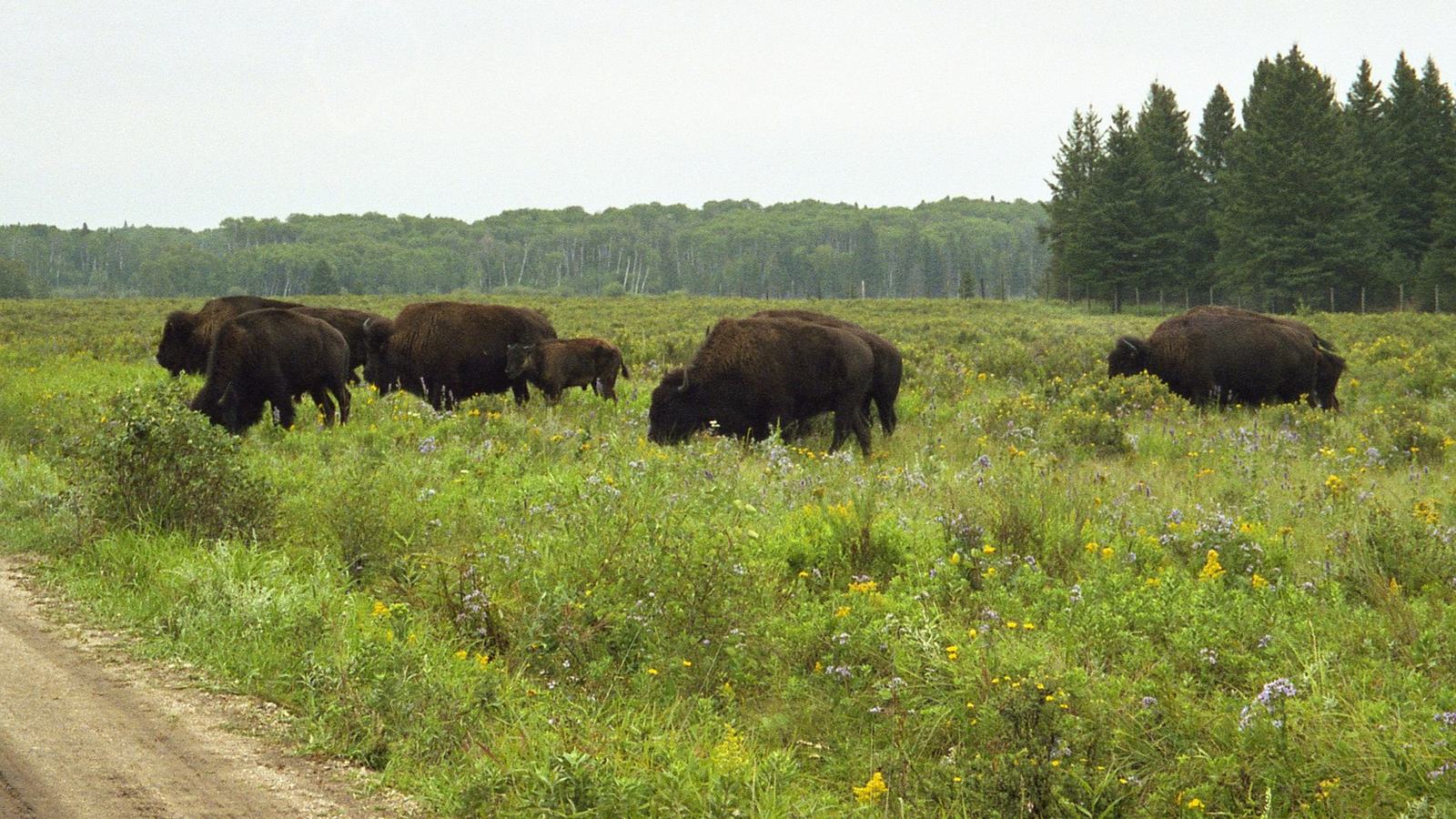
Contextual hero photo by Robert Linsdell from St. Andrews, Canada, resized adaptation. Original photo and attribution; CC BY 2.0 licence. Photograph is not evidence of new or open facilities or current conditions.

Primary authority and organiser source(s): https://parks.canada.ca/pn-np/mb/riding/activ/moto-boat. Riding Mountain National Park, Wasagaming, Clear Lake (340309) (13491133804), photograph by Robert Linsdell from St. Andrews, Canada, CC BY 2.0, via Wikimedia Commons. Resized contextual photograph; not a current conditions or access photograph. Image is used only for correctly attributed factual editorial coverage and never represented as open-licence stock photography.
Source
Parks Canada