
Explore the Mavora Lakes in New Zealand’s Southland, with remote camping, gravel road access and practical planning for small boats and unpowered watercraft.
The Mavora Lakes occupy a landscape where a holiday with a small boat begins long before reaching the water. In New Zealand's Southland region, forest and mountains frame two lakes whose remote character encourages a different sort of summer itinerary. A visit here is not equivalent to spending a weekend beside an urban reservoir with convenient services. Even the road journey deserves a place in the boating plan.
The Department of Conservation describes North and South Mavora as part of the Te Wāhipounamu World Heritage landscape and identifies the park as a popular summer camping destination. Fishing, boating and walking are among the activities available in appropriate circumstances. A modest outing afloat can become part of a much broader experience of the landscape, but the distance from services and the different arrangements for the lakes mean that preparation matters.
Choosing between two lakes
The names North Mavora and South Mavora have practical significance for a boating holiday. The Department of Conservation's boating guidance distinguishes the motorized recreation allowed on North Mavora from quieter boating opportunities available on both lakes. A visitor bringing a powered vessel should confirm current eligibility for that type of craft and must not assume it can be launched on South Mavora. Restrictions on particular powered craft must also be respected.
Paddlers may prefer the flexibility of human-powered craft, but the fact that an activity is permitted does not establish that conditions are suitable on a particular day. The relationship between wind, temperature, the length of the outing and the abilities of the crew should guide the choice. A brief experience near an appropriate access point may be more enjoyable for a beginner than a crossing demanding endurance and reliable weather.
Allowing for the gravel road
The department identifies two turn-offs from State Highway 94 between Mossburn and Te Anau, followed by about 39 kilometres of gravel road. It also notes the absence of regular public transport. These are important considerations for a household travelling with a loaded canoe, a small boat on a trailer or equipment carried on a roof rack.
Before travelling, assess road conditions and whether the vehicle and load are suitable. A boat carried on a roof requires secure transport arrangements matched to the vehicle and equipment. On gravel roads, a suitable driving speed, careful consideration of other traffic and adequate stopping distance matter. Do not plan the last stage of the journey according to the time required for the same distance on a paved road. Allow extra time to stop and inspect a load when it is safe to do so.
Distinguishing camping access from track access
The published park information identifies a locked gate on the four-wheel-drive track along North Mavora Lake. Drivers and motorcyclists wishing to proceed beyond the camping area on that track need to register for a code and comply with applicable requirements. That arrangement is separate from the question of whether a boat can be launched at an appropriate authorized location.
There is no reason to assume a trailer boat must be taken along the four-wheel-drive track to make a visit worthwhile. Investigate established camping and launching arrangements before deciding how far to drive. Do not attempt to reach the shoreline by driving off permitted routes or through vegetation. Ask the department if access for a particular combination of boat and vehicle is uncertain.
Selecting camping equipment
A tent, an appropriate sleeping system and a modest collection of cooking equipment can provide a comfortable base, but the kit needs to match the remoteness and variable conditions. Carry adequate supplies and drinking water rather than relying on finding convenient shops beside the lake. Confirm current facilities and camping arrangements for the specific location.
The boat adds another category of equipment that can overwhelm a vehicle if packing is not planned. Keep essential safety equipment accessible, and ensure tools and other heavy items cannot shift during travel. Plan how wet clothing and paddling equipment will be stored. Good organization allows a crew to choose a short outing when conditions are favorable without unpacking the entire camping arrangement first. Be prepared to defer an outing if other aspects of establishing camp require attention.
Appreciating the character of mountain water
A lake can look inviting from shore, but surrounding hills and a broad water surface can produce conditions that change considerably during an afternoon. Wind direction, the length of water over which waves can develop and the temperature of the water matter to small-boat operators. Choose a route based on actual conditions and the capability of the least experienced person aboard.
Paddlers should have appropriately fitted flotation equipment and clothing suited to a possible immersion. Seek instruction and practise appropriate recovery techniques before embarking on a remote independent outing. Even when a journey seems short, problems can take longer to resolve when assistance is not readily available. Carry appropriate communications equipment and leave details of the intended trip with a responsible person.
Taking a shore day
Part of the appeal of mountain camping is the possibility of changing activities according to the weather. The department identifies walking and tramping opportunities, including a considerably longer route linking the camping area with the Greenstone Track. A boating party does not need to undertake an extensive hike to enjoy a day when conditions on the lake are unsuitable.
Select a lawful shore route appropriate to the group's ability and consult current track information. The landscape can offer a satisfying day on land while the boat remains properly secured. For a family with different interests, a shorter walk followed by a shared meal may be just as important to the holiday as a paddling session. Follow official advice about hazards associated with mountain terrain.
Making fishing an option
Fishing is one of the recreational activities identified in the park description. Check current freshwater fishing licence requirements, permitted methods, seasons and water-specific rules with the appropriate authority before bringing tackle. Permission to use a boat and entitlement to fish are separate questions.
Arrange equipment so it does not obstruct movement or interfere with emergency gear. A canoe used by a beginner can become much harder to manage if the person's attention is divided between a rod and the direction of the boat. Choose conditions suitable for the skills of the crew, and make sure fishing remains optional rather than a reason to extend the outing into worsening weather.
Keeping equipment free of invasive species
The enjoyment of the lakes depends on the condition of the water and surrounding environment. Clean equipment before departure and follow current freshwater biosecurity advice when transferring between waterbodies. Inspect the boat, trailer, anchor, footwear and fishing gear for weed fragments and retained water. Pay attention to compartments and materials that may remain damp after the rest of the equipment has dried.
Do not wash debris away in the next lake as a substitute for cleaning before arrival. Use appropriate locations and authorized methods for cleaning and disposal, and avoid introducing fuel or other contaminants to the water. The same habits matter when returning home: a summer visit should not create a pathway for transporting organisms into another region.
Preparing a visit with a dog
The department allows dogs in the park subject to control requirements. Dogs must be tethered on a leash in camping areas and at hut sites, and are not permitted in huts. Other requirements can apply in neighboring areas, so plan a dog-friendly visit around the specific locations rather than assuming the surrounding conservation lands follow identical rules.
A dog aboard a small boat presents further considerations. It needs to remain controlled, and the skipper must be able to operate the craft without being distracted by the animal's movements. If the dog is not comfortable aboard, a supervised shore activity may be preferable. Keep it away from wildlife and comply with the applicable site rules.
A remote base rather than a fixed itinerary
Check the Department of Conservation's current park information, notices and weather conditions before departure. Confirm camping, road and activity arrangements separately. Allow for the possibility that part of the itinerary will not be practicable, and carry the supplies and equipment needed to remain comfortable without relying on immediate alternative services.
Mavora offers a summer holiday in which the water, mountains and camp all have a role. The best visit is not necessarily the one with the longest boating distance. It is the one that gives the crew time to appreciate the surroundings while respecting the distinction between the two lakes, the remoteness of the site and the conditions that determine whether a particular outing is appropriate. A well-prepared camp offers a place to return, not a reason to launch every morning.
Explore related Leisure Boat Guide lifestyle reporting
- Glenelg River Canoe Camping: Pines Landing Closure and Summer 2027 Planning
- Lake Tekapo by Kayak: Alpine Colour and Mackenzie Paddling
- Lake Te Anau by Kayak: Fiordland Shores and Didymo Precautions
- Tongariro River Delta Kayaking Reveals Lake Taupō Wetland Birds
Primary reporting and image credit
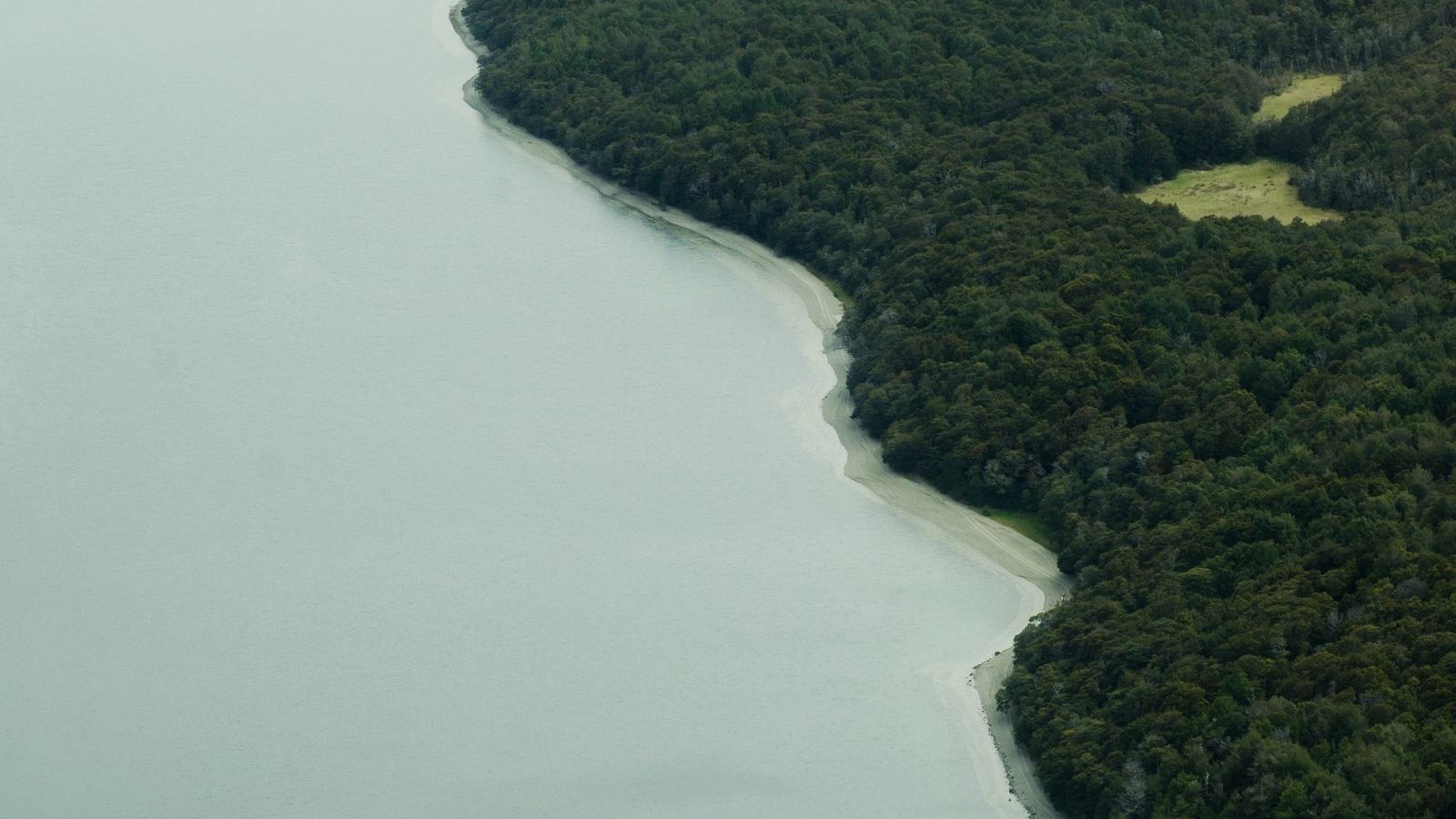
Contextual hero photo by Jeff Hitchcock, resized adaptation. Original photo and attribution; CC BY 3.0 licence. Photograph is not evidence of new or open facilities or current conditions.

Primary authority and organiser source(s): https://www.doc.govt.nz/parks-and-recreation/places-to-go/southland/places/mavora-lakes-conservation-park/. North Mavora Lake - panoramio (1), photograph by Jeff Hitchcock, CC BY 3.0, via Wikimedia Commons. Resized or cropped contextual photograph; not a current conditions or access photograph. Image is used only for correctly attributed factual editorial coverage and never represented as open-licence stock photography.