
An official-source Lake Te Anau kayaking guide covering lakeshore and Brod Bay outings, Kepler Track links, didymo biosecurity rules and Fiordland cold-water precautions.
A gateway to Fiordland from the water
Lake Te Anau in New Zealand's South Island gives visitors an accessible introduction to the immense water and mountain landscapes of Fiordland. The Department of Conservation identifies the lake as a place for family kayaking and other activities, with access from lakeshore beaches near the town. It also makes an unusually important point about biosecurity: didymo is present in Lake Te Anau, and kayaks used there must not be taken into its tributary rivers. This conservation requirement should be central to planning, not relegated to a small note at the end of a travel article.
A boat trip here can be modest or demanding. A short sheltered outing near the town has little in common with an ambitious expedition into the lake's more remote arms. Fiordland is known for large bodies of water, rapidly changing weather and strong local winds. Beginners should choose an appropriately short route and consider professional instruction, while experienced paddlers must still understand access rules, forecasts and the consequences of moving equipment between waterways.
The lakeshore option for a family day
The Department of Conservation's kayaking guidance specifically identifies the lakeshore as an option for a day paddle or family activity, and mentions the possibility of combining time on the water with parts of the Kepler Track, such as Brod Bay. This does not make the route automatically easy in all conditions. It provides a starting framework: pick an appropriate shoreline area, consider a permitted landing and stay close enough to return without exhaustion.
Before departing, identify the actual launch and recovery points. A kayak can seem easy to carry to a beach, but a vehicle, changing weather or a steep section of shore may complicate the return. Families should not set a fixed destination until they have seen the water. An unhurried trip near the town can deliver views of the mountains and a distinctive Fiordland atmosphere without requiring a long crossing.
Brod Bay and the Kepler Track connection
Brod Bay is named in DOC's kayaking information as one of the places that can link a paddle to a walk on the Kepler Track. That possibility is attractive to visitors who like mixing boating and walking, but logistics need careful consideration. A walking track is not necessarily a convenient location for leaving a kayak unattended, and the ability to land depends on the actual shoreline, weather and applicable access rules.
Ask a local adviser whether the planned stop is appropriate and whether the craft can be secured without damaging vegetation or blocking others. Plan the return before committing to a shore excursion. Fatigue from walking can make the second paddle more difficult than expected, especially into a headwind. If the group is not familiar with the conditions, it may be preferable to choose a separate walking day rather than combine several demanding activities.
The didymo rule changes the itinerary
DOC explicitly states that didymo is present in Lake Te Anau. Its guidance says not to take a kayak into tributary rivers after it has been used on the lake, because that risks spreading the organism upstream. The department's wording is deliberately firm: if the kayak has been in the lake, it should be treated as contaminated for this purpose. This is a more serious restriction than a generic suggestion to rinse equipment after a pleasant afternoon.
A visitor planning several paddles in the region should put their route order and equipment-cleaning procedures under review before departure. Never use a kayak in Lake Te Anau and then casually move it into a tributary river during the same trip. Follow the current DOC and Biosecurity New Zealand requirements, including any cleaning and drying instructions relevant to the craft and gear. The aim is to protect waterways that have not been affected.
Why a short shoreline route is often best
Lake Te Anau is large enough that a far shoreline can appear closer than it is. An inexperienced paddler who sets off toward a distant headland may discover that the journey takes considerably more time and effort than expected. A sheltered out-and-back keeps choices open. Begin with the conditions near the actual departure point and set a conservative turnaround before anyone becomes tired.
An extended expedition belongs in a different planning category. It may require more sophisticated navigation, suitable camping arrangements, specialist equipment and a detailed emergency plan. The ability to follow the same line on a map does not mean a novice can safely undertake the trip. DOC's guidance highlights the need for proper skills and preparation in Fiordland, and this should shape any decision to travel beyond the familiar lakeshore.
Wind and cold on a Fiordland lake
The department warns that Fiordland weather can change at any time, and notes that wind often strengthens in the afternoon on lakes and fiords. A morning that begins calm should not be treated as permission to spend the entire day offshore. A kayak returning into freshening wind may move much more slowly than it did on the outward leg. Look at the forecast, watch the water and begin the return while there is still ample time.
Water temperatures can also be very cold. Wear suitable clothing and a properly fitted personal flotation device, and carry spare warm, quick-drying layers. A person who is comfortable beside a sunny shoreline may become cold rapidly after immersion. Familiarity with swimming in a pool is not adequate preparation for a capsize in an exposed alpine lake. Choose a route and clothing system suited to the water, not simply the air temperature.
What local guidance adds
The Fiordland National Park Visitor Centre on Lakefront Drive is identified by DOC as a place to obtain information about the park, boating and other activities. For visitors unfamiliar with the lake, a conversation with knowledgeable staff can be more valuable than copying a route from a social-media post. Ask about current access, weather, any temporary restrictions and which parts of the lakeshore are suitable for the crew's experience.
Commercially guided kayaking is another option for people who want structured support. DOC lists authorised commercial operators working in Fiordland, but a listing does not mean every provider has a trip leaving Lake Te Anau on the desired day. Confirm the actual waterbody, meeting place, duration and minimum ability requirements. The presence of kayaking tours in the wider national park should not be mistaken for a guarantee of an easy local rental.
Choosing the right craft
A stable recreational kayak can suit a calm short outing, while a sea kayak or more specialised touring craft may be chosen for experienced paddlers undertaking longer journeys. A tandem offers company but demands cooperation and a clear division of responsibilities. The best choice depends on the least experienced participant and the conditions, not simply on which vessel seems fastest or most adventurous.
Ask whether the hull has appropriate buoyancy, how a capsize is managed and how equipment should be loaded. Keep essential items secured but accessible. The paddler should be able to control the kayak comfortably and recover the boat after an unexpected incident. If those skills are not familiar, begin with an instructor rather than trying to learn them during a long trip on a large lake.
Preparing the group before departure
A simple briefing should cover where the party intends to go, how long it expects to be on the water and what happens if someone wants to return early. Every participant needs a correctly fitted flotation device, suitable clothing and a clear understanding of basic signals. Carry sufficient drinking water and food, as well as protection from both sun and rain. A waterproof communication device should be accessible, not buried underneath the rest of the luggage.
DOC recommends bright clothing to improve visibility and notes the value of a personal locator beacon, particularly on multi-day trips. It also warns that sandflies are common, so appropriate repellent may make the shore experience more comfortable. These are practical details that can be overlooked when attention is focused entirely on the mountains. Preparation is what lets the crew appreciate the landscape without avoidable distraction.
Navigation without overconfidence
A modern phone map can show the lake's outline but may not communicate the hazards that matter to a small boat. Check the intended route against official guidance, understand which places may be landed on and keep a reliable sense of direction. A clear landmark near the launch is useful, especially if cloud or rain reduces visibility. Never rely solely on a phone that could become wet, discharged or dropped.
If travelling as a group, establish a meeting procedure and stay within supporting distance. A faster solo kayaker should not race ahead and leave an inexperienced tandem behind. The ability to help another craft can become decisive when weather changes. A modest group pace is far more valuable than reaching an impressive point while the weaker paddler struggles to keep up.
A different experience from Milford Sound
Te Anau is widely recognised as a gateway to other Fiordland destinations, including Milford Sound. The lake's accessible shoreline, however, is a separate kind of boating experience. A family canoeing near town is not automatically taking part in a guided trip on a fiord, and advice about one environment cannot be carried uncritically into the other. The water, exposure, commercial operations and transport arrangements may be very different.
Travellers combining destinations should identify which company and location each booking involves. Allow enough time for travel and changing weather. A day on Lake Te Anau may be the ideal introduction to paddling, while a specialised guided adventure elsewhere in the park can be considered after the group understands the effort involved.
Looking after wildlife and shoreline habitat
Fiordland's environmental character is central to the appeal of kayaking. A quiet craft offers opportunities to observe birds, vegetation and changes in the light without disturbing them. Keep distance from wildlife and avoid landing in sensitive or restricted areas. Do not paddle close to nesting birds merely for a photograph, and leave natural materials in place.
Biosecurity requires particular care at Lake Te Anau because the didymo restriction affects where equipment can be used afterward. Clean and dry the boat and all associated gear as directed by the relevant authority. Small items such as footwear and paddles matter as well as the hull. Protecting unaffected tributary rivers is a practical responsibility for everyone who enjoys the lake.
Building a realistic two-day programme
A visitor spending more than one day in town could begin with a walk along the shore, a visit to the DOC information centre and a conversation about the safest paddling route. If conditions are suitable, a short afternoon or morning outing could follow. Another day can be devoted to a walking track or a guided activity elsewhere, depending on weather and the group's interests. This avoids pressing a boat trip into a schedule that leaves no room for delays.
The group should also decide what it will do when kayaking is not advisable. Fiordland's scenery is not dependent on being afloat, and other activities may be more appropriate in strong wind or heavy rain. Having an alternative makes it easier to cancel a risky paddle without feeling that an entire holiday has been lost.
Season and source checks
DOC's Lake Te Anau area guide and its dedicated kayaking and packrafting safety information provide the main official basis for this article. Neither constitutes a reservation or a live forecast. Check the latest warnings, water conditions and biosecurity advice before travelling. If renting or joining a tour, verify the responsible operator's terms, equipment and departure location separately.
The lake is large and remote in character even where the town is close at hand. A short, carefully selected route is a legitimate experience, not a lesser version of a major expedition. For many visitors it is precisely the right way to enjoy the setting.
The lake at a human pace
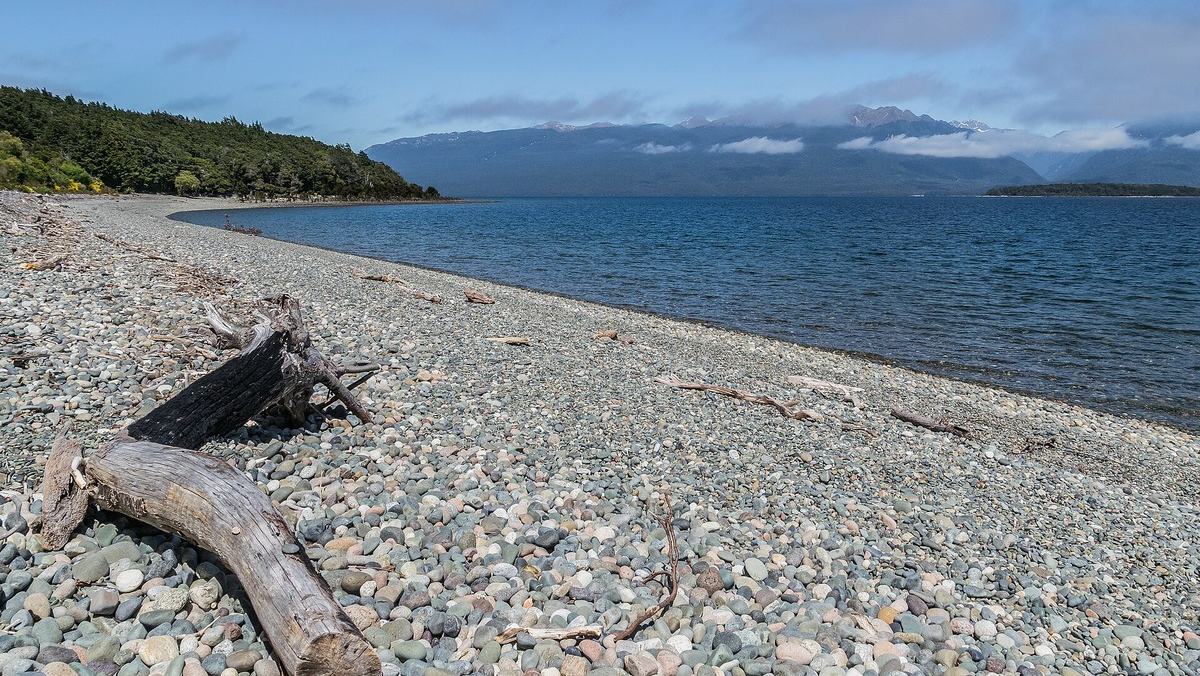
Lake Te Anau can offer a powerful sense of Fiordland without requiring an extreme journey. A few quiet strokes near the shore can reveal mountain views and a landscape that changes with the weather. The best trip begins with respect for those conditions and ends with the group comfortably back on land.
Unlike many leisure destinations, Te Anau also asks paddlers to consider what happens after they leave the water. Following the didymo restrictions and cleaning requirements is part of enjoying the place responsibly. With proper planning, a modest kayak outing can provide both a memorable holiday and a way to experience an extraordinary landscape without damaging it.
Sources and photograph attribution
Official destination and boating guidance: New Zealand Department of Conservation — Lake Te Anau Area. Current access, rules, weather and reservations must be checked independently before travel.
Photograph: Krzysztof Golik — “Lake Te Anau 07.jpg” (CC BY-SA 4.0), via Wikimedia Commons. Resized to JPEG 1200×800 for editorial display. Source: https://commons.wikimedia.org/wiki/File:Lake_Te_Anau_07.jpg. Licence: https://creativecommons.org/licenses/by-sa/4.0. Original rights remain with the credited creator or as specified by the source and licence.
