
Explore Queensland’s Lake Somerset from Westvale Road’s single-lane ramp, with local six-knot limits, fishing permit advice and careful shared-water planning.
A day on Lake Somerset need not begin at the largest or busiest recreation area. For someone bringing a small motorboat or paddle craft, the choice of launch point can shape the whole experience, from preparation to the first part of the route. Seqwater's description of Westvale Road Boat Ramp identifies a single-lane public facility at the northern end of the reservoir. Its local operating limit is relevant to people seeking a measured start to a day afloat.
The authority lists powered boating and paddle craft among activities permitted at Westvale Road and specifies a six-knot speed limit in that part of the lake. Fishing is also listed as a permitted activity with a permit. These details make the site worth investigating for a modest outing, although they do not establish that it is uncrowded, suitable for every boat or open in all circumstances. A successful visit depends on current site information and a plan matched to the crew.
How a single-lane ramp changes the routine
A single-lane ramp has less capacity for simultaneous operations than a facility with several independent launch lanes. If another crew is recovering its boat, there may be no opportunity to begin launching until that operation is complete. Waiting is an ordinary part of using a shared facility, not a reason to attempt a maneuver in an unsuitable place.
Before travelling, prepare equipment so that remaining work at the ramp is limited to tasks that actually need to occur there. Arrange lines, flotation equipment and essential items to suit the craft and follow appropriate trailer procedures. Use a designated preparation area if available, keeping vehicles and pedestrians clear of active operations. Do not assume the size of the parking area or ease of access from a photograph or brief description.
Starting slowly from Westvale Road
The six-knot limit identified by Seqwater is part of the local operating arrangement. Consider it when planning the first and last portions of a motorboat trip. A vessel that normally covers longer distances at cruising speed will take more time through a reduced-speed section. Allow for that rather than treating the zone as an inconvenience.
A speed limit is not the only consideration. The skipper must operate safely in the actual circumstances, taking account of other vessels, the shore and additional restrictions. Some small hulls produce noticeable wash at relatively low speeds. Reduce speed further when necessary and remain attentive to low-profile craft. A controlled start gives the crew time to check equipment, observe conditions and establish a comfortable rhythm before proceeding.
Choosing the activity before the boat
Seqwater lists fuel-powered and electric boating at Westvale Road, along with canoeing, kayaking, rowing and stand-up paddling. Different members of a household may therefore have different ideas about spending the day. The appropriate choice depends on weather, experience and the purpose of the outing.
A kayak may be an enjoyable way to spend a limited period on the water without travelling far. A small powered craft may suit a fishing trip or passengers who prefer not to paddle. A rowing boat offers another experience. None eliminates the need for suitable safety equipment and preparation. Confirm rules and suitability for the particular vessel and avoid choosing an activity simply because the equipment is available.
A first outing for a new crew
For someone learning to use a small boat, a simple plan is usually better than a route that incorporates several unfamiliar areas. The first objective can be to launch without rushing, operate within a manageable area under appropriate conditions and return with time to recover comfortably. A long destination list is unnecessary.
New operators should seek instruction appropriate to the vessel, including safe launch and recovery, handling around other users and emergency procedures. Choose good conditions and ensure each person knows the plan. A crew member unfamiliar with a trailer boat may feel much more comfortable when roles are explained before the vehicle reaches the ramp. A short successful outing provides a foundation for more ambitious trips.
Preparing a fishing-focused day
The authority states that fishing at Westvale Road requires a permit. Check current permit arrangements and applicable Queensland freshwater fishing rules before setting out, rather than assuming that boating permission includes fishing rights. Check species-specific restrictions, water conditions and equipment requirements for the intended activity.
Arrange the boat so that rods and associated equipment do not interfere with safe handling. On a small craft, a badly placed tackle container or loose hook can be more significant than on a larger deck. Give passengers appropriate space and consider how the skipper will maintain a lookout while others fish. If conditions are unsuitable, shorten or change the trip without allowing the expectation of a catch to determine the return time.
Considering wind over the reservoir
Reservoirs can offer appealing boating conditions, but a large water surface allows waves to develop when wind strengthens. The length of water over which wind blows and the direction of the intended return matter to small craft. A route that seems comfortable initially may be less comfortable later in the day.
Consult the forecast and Seqwater alerts before departure. Assess conditions at the launch and choose an outing that leaves a meaningful margin for a return. A small electric boat should be planned around actual battery endurance and effects of conditions and loading, not nominal range alone. Similarly, a paddler should not underestimate the difficulty of returning against the wind after an easy outward journey.
Giving paddle craft appropriate space
The coexistence of powered and human-powered craft is part of the character of the Westvale facility. Motorboat operators should expect paddlers to be present and maintain a proper lookout. A paddleboard or kayak may be difficult to see in glare or against shoreline vegetation. Keep appropriate separation and operate predictably.
Paddlers should select routes that suit local rules, skill and conditions, and avoid passing through the working ramp area while vehicles and boats are moving. Wear suitable flotation equipment and prepare for unexpected immersion. The fact that a kayak is easy to carry does not establish that a particular stretch of reservoir suits it. Where necessary, seek advice from a qualified instructor or appropriate local operator.
Allowing time ashore
Seqwater identifies picnicking among activities associated with the location. Check actual facilities, restrictions and conditions before depending on them. A household wanting to combine boating with a shore break should have a plan that does not require occupying the active ramp or obstructing other users.
A picnic can be useful for families with members wanting different amounts of time on the water. Keep food and rubbish contained and leave the site clean. If weather requires retrieval earlier than intended, an appropriate shore activity may preserve the enjoyment of the day without encouraging boating in unsuitable circumstances. Keep enough supplies available in the vehicle to make this alternative practical.
Protecting a water supply catchment
Lake Somerset forms part of a managed reservoir environment. Recreational users have a role in protecting the water and shoreline. Follow current requirements for launching, retrieval and other activities, use designated facilities and avoid contamination with fuel, waste or cleaning products.
Clean, drain and dry equipment before transporting it between waterbodies, in accordance with applicable guidance. Inspect the trailer and small items of equipment as well as the boat itself. Do not assume equipment that looks dry outside contains no retained water. These preparations are useful even for a short visit and part of the routine that makes repeated recreational boating responsible.
Making the next visit easier
A small-boat outing can reveal practical details that help a crew prepare for future trips. After recovering the vessel, consider what worked: the preparation sequence, the suitability of the craft and time needed for the chosen route. If the single-lane ramp was busy, allow extra time on the next visit instead of expecting identical conditions every hour.
The Seqwater Westvale Road page and current recreation notices are appropriate starting points for planning. The six-knot limit and several kinds of permitted boating make the northern end of Lake Somerset interesting to investigate, but actual operating status and weather must be confirmed before travel. A successful day is one where the launch, time afloat and return are manageable. At Westvale Road, preparation and consideration for other users help make that possible.
Explore related Leisure Boat Guide lifestyle reporting
- Lake Puketirini and Waikato Boating: Summer Launch Passes and Day Trips
- Lake Eildon by Small Boat: Launch Ramps, Inlets and an Australian Inland Escape
- The Top 7 Ways to Upgrade Your Boat Trailer
- Lake Havasu by Small Boat: London Bridge, Launch Ramps and Desert Safety
Primary reporting and image credit
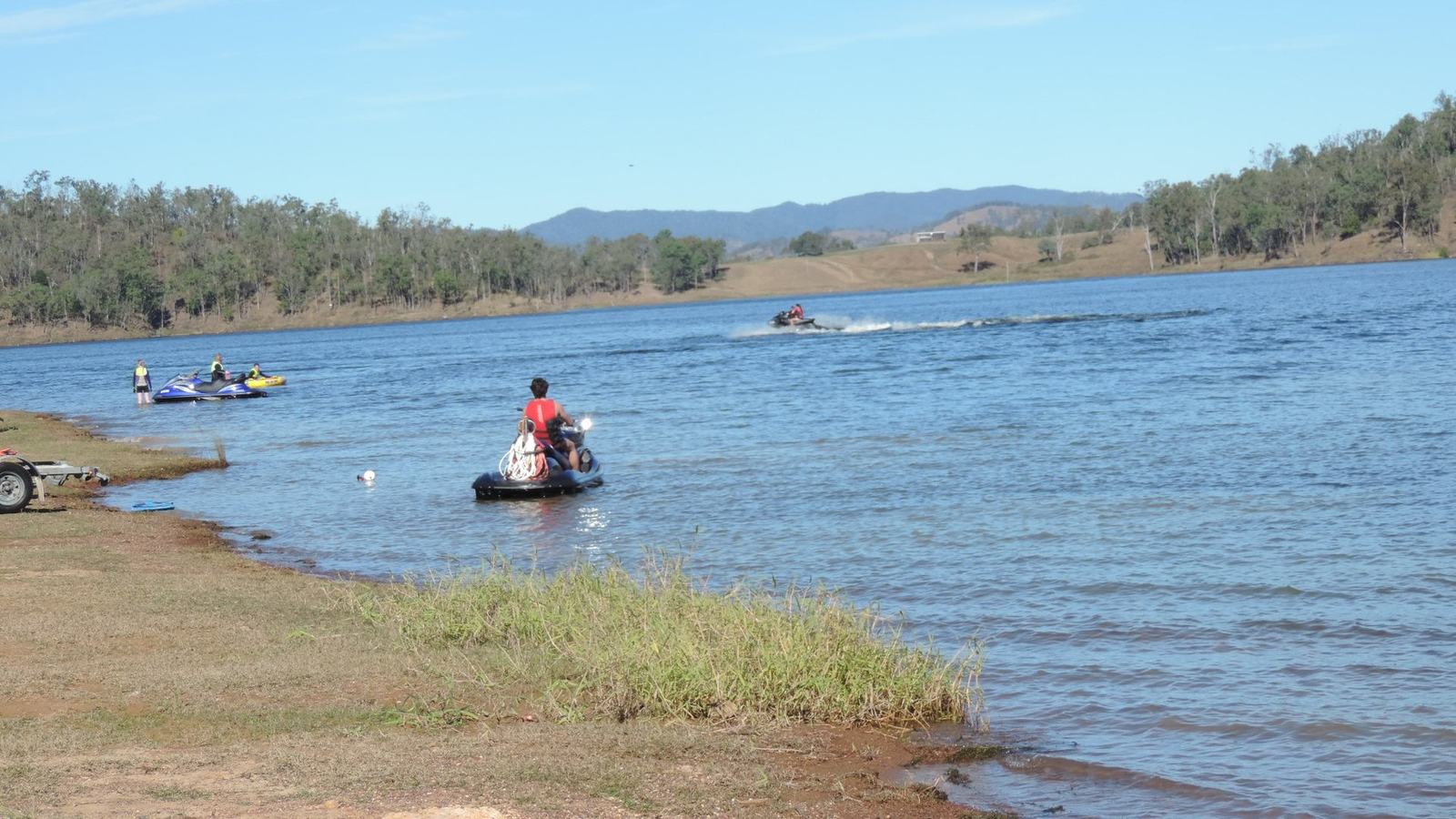
Contextual hero photo by Kerry Raymond, resized adaptation. Original photo and attribution; CC BY 4.0 licence. Photograph is not evidence of new or open facilities or current conditions.

Primary authority and organiser source(s): https://www.seqwater.com.au/things-to-do/westvale-road-boat-ramp. Water sports on Lake Somerset at The Spit, Somerset Dam (locality), 2020 02, photograph by Kerry Raymond, CC BY 4.0, via Wikimedia Commons. Resized or cropped contextual photograph; not a current conditions or access photograph. Image is used only for correctly attributed factual editorial coverage and never represented as open-licence stock photography.
Source
Seqwater