
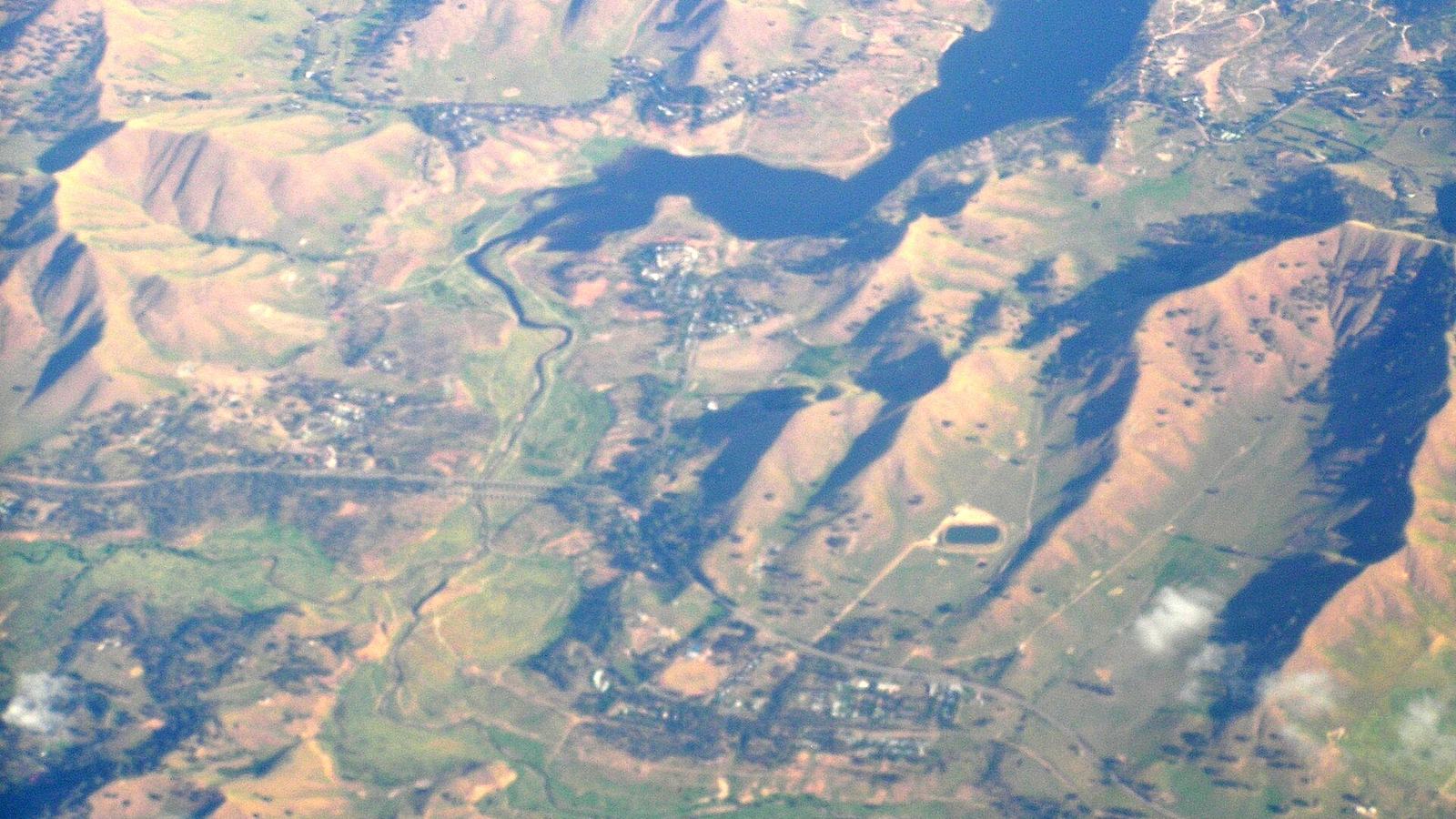
Plan a trailer-boat, dinghy or paddling day on Lake Eildon, with practical guidance on ramps, reservoir levels, Jerusalem Inlet, weather and shoreline care.
A reservoir that rewards a modest boat
Lake Eildon is not a coastal harbour transplanted into Victoria’s hills. Its branching waterways, bushland edges and changing reservoir levels call for a quieter style of exploration. A small motorboat, dinghy, kayak or canoe can usefully turn one of its arms into a complete day trip without trying to cover the whole shoreline. Parks Victoria places boating, paddling and water-skiing among the recreation opportunities of Lake Eildon National Park. That range of activities makes shared-water etiquette especially important. The lake is also a working reservoir, so a cove or launching place seen in an old photograph need not have the same depth today. Begin with the current conditions, then make the itinerary fit them.
Start with the official park picture
The most useful first step is to read Parks Victoria’s current park information and visitor guide, not merely a promotional description of the lake. The park extends around several areas of shoreline, with designated visitor facilities rather than unrestricted vehicle access everywhere. Mark your intended launch, the nearest safe alternative and the shore facilities that are genuinely accessible. A family carrying a lightweight inflatable will have different needs from someone towing a deeper-draught runabout. Even where boating is generally welcome, the shore may include protected vegetation, unsuitable gradients or designated camping and picnic areas. Treat the official maps as the framework and a current local water-level report as the final practical test.
The main ramp and a realistic launch plan
Parks Victoria identifies the Main Ramp Day Visitor Area as a place for boating access and warns that boating zones and water hazards apply. The existence of a named ramp is useful, but not a promise that every hull, trailer and tow vehicle will be suitable on every day. Inspect the approach, available turning space, the ramp’s wet edge and the retrieval conditions before backing down. Prepare lines, safety equipment and the engine away from the ramp so other crews can use it. For a kayak, establish whether a safe hand-launch is permitted at your chosen access point. If the ramp is congested or exposed, a delayed launch may be more sensible than a hurried one.
Lakeside Campground offers a different base
The official Lakeside Campground information describes a nearby concrete ramp used by motorised boaters and watersports visitors. Parks Victoria says this ramp can provide access over a wide range of reservoir levels, including low conditions, although that does not replace a same-day check. Staying beside a designated launch changes the rhythm of a small-boat holiday: the crew can rig, check the boat and watch the weather before committing to an outing. It also avoids towing from an unfamiliar distant campground each morning. Book camping where required, follow site rules and keep trailers and gear out of pedestrian routes. Being close to water is convenient, not a reason to leave a craft unsecured overnight.
Jerusalem Inlet is the intimate alternative
Parks Victoria’s visitor guide specifically recommends launching a boat or canoe in Jerusalem Inlet to explore sheltered-looking coves and submerged historical traces, including the former township of Darlingford. For a small craft this is a different proposition from running along the broadest reaches of the lake. The aim should be an unhurried exploration, with enough depth beneath the hull and enough reserve time to turn back. Old settlement remains are part of the landscape’s story, not an invitation to disturb underwater material. Avoid putting a propeller into mud or vegetation in the search for a closer look. If the wind funnels through the inlet, the apparently small scale of the route can still be deceptive.
Low water can change everything
A reservoir’s usable shoreline moves as storage rises or falls. A sandy margin visible during a dry period may be flooded later, while a familiar ramp can end above the water in a severe drawdown. Submerged timber, unexpected banks and exposed stumps are practical risks in some inland impoundments, especially away from marked routes. Check current reservoir information from the relevant water manager as well as park conditions, and do not assume an old chart has a current shoreline. Reduce speed anywhere the depth is uncertain. If a route requires repeated guessing about the position of the bottom, it is unsuitable for a casual family day afloat.
Choose a boat for the plan
Under twelve metres covers an enormous range, but the most enjoyable Lake Eildon outing often needs less boat than the owner imagines. A simple runabout with a properly maintained outboard, a stable fishing dinghy or a suitably equipped paddle craft can all have satisfying days within a small area. Select the vessel on expected wind, crew experience, required freeboard and the distance from a reliable launch. A high-powered boat does not remove the need to slow for paddlers, anchored anglers and swimmers. If carrying children, organise seating and flotation equipment before leaving shore, rather than making corrections while the boat is moving.
Weather on a long, irregular lake
The bushland setting can encourage an assumption that Lake Eildon is permanently sheltered. Large stretches remain open enough for wind-driven chop, and the shape of an inlet can channel gusts into a narrow route. Plan around the forecast, then read actual conditions from the launch before departure. A low-powered inflatable travelling away with a tailwind may face a much slower, wetter return. Do not schedule a crossing simply because it appears short on a map. Allow for the possibility that a breeze strengthens in the afternoon. For paddlers, a modest circuit close to the same shore is often a better decision than an exposed there-and-back itinerary.
Navigation and shared water
Boat traffic on Lake Eildon ranges from paddlers to larger recreational vessels and houseboats. Small boats are less visible in glare and near shoreline shadows, while towing and watersports activity can produce sudden changes of direction. Maintain a lookout, obey marked zones and keep well clear of swimmers and vessels being manoeuvred. A phone can supplement, but should not replace, a reliable map, a charged communications device and knowledge of the return route. Record a distinctive shore landmark at launch. If visibility drops, unfamiliar arms can look surprisingly alike, particularly where several wooded points divide the water.
Houseboats without assuming access
Houseboats are part of the lake’s identity and an attraction in their own right, but their mooring and service arrangements are not general-purpose landing stages for visiting runabouts. Give moored vessels space, slow early to prevent wake damage and keep private jetties private. A passing small craft should not assume that its shallow draught allows unrestricted access to a houseboat marina or secluded beach. A better approach is to identify public facilities on the park map and plan a shore stop there. The day’s best photograph may come from a respectful distance rather than from inserting the bow into a crowded berth.
A shore break worth building in
Merlo Lookout and Blowhard Summit are among the viewpoints highlighted by Parks Victoria. They show why a visit need not consist solely of motoring between corners of the reservoir. Plan a walk or picnic before or after boating, using designated access and facilities. If one crew member does not enjoy time afloat, a mixed day can be more inclusive than a long continuous cruise. Carry drinking water and food on the boat rather than counting on a waterside shop that may be closed or inaccessible from the water. Pack all rubbish out, including fishing line and the small pieces of plastic that are easily lost at the ramp.
Wildlife and shoreline restraint
The park has conservation values beyond its appearance as a boating venue. Keep propellers and paddle blades away from shallow vegetation, avoid approaching nesting birds and never treat remote banks as waste-disposal places. A quiet canoe can still disturb wildlife if it pushes into reeds or corners an animal against shore. Let the surroundings determine how close to approach. Sound carries far across smooth water, so unnecessary music and engine revving can affect visitors on land as well as afloat. Use established toilet facilities before departure and do not make improvised camps on protected land.
A manageable one-day itinerary
A sensible family outing begins with a morning level, weather and ramp check. Launch from a suitable designated site, remain near a familiar arm while the crew settles and choose one focal point: a picnic, a short paddle, or a carefully planned inlet excursion. Set an outbound time limit rather than a fixed mileage target. Pause where stopping is lawful and safe, review the forecast, then return with daylight and fuel or physical energy in reserve. Back at the ramp, retrieve without blocking other users, clean gear and leave time for a lookout walk. This makes the lake feel like a place experienced rather than a distance completed.
What changes before your next visit
Parks Victoria’s pages and condition notices should be checked afresh before every trip, especially after fire, heavy rain or prolonged dry weather. Seasonal restrictions, maintenance work and changes to visitor facilities can alter a plan made months earlier. Check the current water level and the rules applying to your specific craft and intended watersports, rather than relying on a generic description of inland boating. An attractive lake photograph is a record of one moment. The useful travel decision is whether today’s launch, wind, water and crew are compatible. Being willing to move the outing to another day is part of sound small-boat seamanship.
The appeal is in the details
Lake Eildon rewards crews who value the small discoveries of a day afloat: a change in rock colour, a shaded arm, the way bushland rises above the reservoir, or a different perspective on a familiar lookout. Those pleasures are available to a modest boat and do not depend on speed or long distances. The strongest trip is therefore planned from the shore inward, with an honest assessment of access, safety and the particular limits of the boat. A well-chosen launch and an easy return are not administrative details. They are what allow the hours between them to feel unhurried.
Sources and photograph credit
Verified references: Primary source: Parks Victoria; Parks Victoria visitor guide; Lakeside Campground ramp information; Main Ramp Day Visitor Area. Photograph: Bonnie Doon and Lake Eildon.jpg, Graeme Bartlett, Wikimedia Commons, licensed under CC BY-SA 3.0. The archival photograph is resized for web presentation.

Source
Parks Victoria