
Plan a small-boat day on Lake Texoma with official ramp information, Texas–Oklahoma fishing considerations, rocky shorelines and zebra mussel safeguards.
A big border lake that suits a modest boat
Lake Texoma stretches across the Texas-Oklahoma border in the Red River basin, offering coves, rocky points, broad open reaches and a well-established fishing community. Texas Parks and Wildlife identifies a surface area of 74,686 acres and roughly 580 miles of shoreline, so it is not a place to treat as a small sheltered pond. Yet a modest trailer boat can still enjoy a rewarding day by choosing one protected area rather than trying to traverse the entire reservoir. The attraction is the variety within a relatively short outing: quiet water near an inlet, impressive sandstone shores and a chance to see wildlife while avoiding busier open stretches.
The border also creates a practical difference from boating entirely within one state. Fishing licences and some rules vary according to where the boat and its occupants are operating. The most successful day starts with deciding whether the purpose is cruising, fishing, swimming or simply a picnic afloat. That choice determines the right launch, equipment and distance. An owner may have a perfectly capable boat yet still plan too much for the crew, especially when a long run back meets rising wind and afternoon traffic.
Choose a launch for the actual boat
Texas Parks and Wildlife provides an official access directory for Lake Texoma listing marinas, public areas and boat ramps, together with details of how those facilities are managed. Locations on the Texas side include Eisenhower State Park, Juniper Point and several privately operated marina sites. A listing may mention launch fees, seasonal operation, maximum boat lengths or restrictions for campers, and those distinctions need checking before towing to the water. A ramp suitable for a light fishing skiff may not accommodate a larger trailer or a deep-keeled sailboat.
The access page is a planning resource, not a guarantee that a particular ramp will be usable at every hour or lake level. Call the operator when information is critical and confirm that parking and recovery arrangements work for your vehicle. A busy public ramp is easier for everyone when a crew prepares gear, plugs and safety equipment in the parking area, then launches promptly. Keep the staging lane clear and choose a time that avoids rushing in front of other boaters.
Wind and distance are easy to underestimate
On a reservoir of this size, an apparently manageable breeze can build a short and uncomfortable chop across open water. The shape of Lake Texoma offers both sheltered arms and reaches with considerable wind exposure. A smaller planing boat or tiller-steered fishing skiff may be comfortable along the edge yet less pleasant when it crosses an exposed section. Read the forecast for the full outing, not just the pleasant weather at the ramp, and be prepared to turn back if the surface changes.
Fuel planning should include the return trip against adverse wind, possible waiting near a crowded marina and the need for a diversion. A boat's advertised range under ideal conditions is not a responsible basis for a route in uncertain weather. For a first visit, choose a modest circuit within easy reach of the launch and note at least one safe alternative landing if an emergency makes the original return impossible. A sound small-boat trip is measured by the ease of returning, not by the longest possible outbound leg.
Fishing is famous, but rules are specific
Texoma is particularly associated with striped bass. The state fisheries agency describes it as one of the rare freshwater lakes in the United States with a self-sustaining, landlocked striped-bass population, supported by the Red and Washita river inflows. Other fish include catfish, several species of black bass, crappie and white bass. This variety attracts anglers who may use very different equipment and locations. A family seeking a quiet fishing afternoon need not attempt the longer journeys taken by professional guides targeting a particular species.
The Texas-Oklahoma boundary matters for legal fishing. Texas licences cover the Texas portion under the appropriate rules, while the official Texoma licence provides a particular cross-border option. Bag and size limits are not uniform across every species, so check the latest requirements before travelling or keeping a fish. Never assume that a licence purchased for a different Texas lake or a generic rule described by a friend applies to this reservoir. Fishing is more enjoyable when legality is resolved before the first line is cast.
Zebra mussels change the trailer routine
The reservoir is known to contain invasive zebra mussels, a problem that changes what owners must do when taking a boat elsewhere. Texas Parks and Wildlife explicitly warns visitors to clean, drain and dry their boats, trailers, livewells, bait containers and other gear, and identifies legal controls on transporting water or mussels. These measures protect other lakes and the equipment of the next owner who launches after you. A hull that looks clean from outside may still retain water inside a livewell, bilge, cooling circuit or hidden recess.
Build the cleaning process into the end of the day rather than trying to improvise when everyone is tired. Follow the current agency instructions for removing drain plugs, disposing of water and handling bait. Recreational boats can carry invasive organisms even if their skippers do not fish. A dry locker, clean anchor line and correctly emptied compartments help ensure that a pleasant day on Texoma does not become a risk to the next waterway visited.
The changing shore can hide hazards
Texas Parks and Wildlife lists standing timber, rock, submerged stumps, channels, cut banks and rocky bluffs among the lake's habitat features. Such variety creates attractive fishing spots but also reasons to navigate conservatively. Trees visible above the water may have substantial submerged branches, and a shoreline that looked clear in a photograph can change character as lake levels move. Do not rely on a single old depth contour when working close to the bank. Keep the sounder and chart information under review, and reduce speed in unfamiliar places.
A shallow-draught boat can approach more places than a deeper vessel, but the ability to float in limited water does not guarantee safe engine clearance or freedom from obstacles. The most sensible sightseeing route leaves room to steer away without abrupt manoeuvres. Keep children seated during near-shore navigation and prevent anyone from dangling legs over the bow. Respect private waterfront structures and avoid creating wake that can damage other boats or erode sensitive shoreline.
Eisenhower State Park makes an accessible base
Eisenhower State Park is one of the official access points listed for the Texas shore and provides a useful starting area for people who prefer a managed park rather than an unfamiliar private ramp. The published directory identifies facilities such as parking and a ramp, although entry and launch costs and operating arrangements should be checked directly with the park. A family may combine a short cruise with time ashore, depending on the site's current rules and the weather. The lake's scenery is often the attraction even when the fishing does not produce a memorable catch.
Do not assume that every beach or picnic area is also an authorised boat landing. Park boundaries, designated swim areas and private property should be respected. Keep an eye on how much daylight is left for recovering a trailer, securing the boat and preparing for the drive home. The extra hour that seems unimportant at midday can become difficult when a queue forms at the ramp or an afternoon gust complicates manoeuvring.
A practical safety brief for the crew
Before launching, establish who is in charge, where passengers will sit and what everyone should do if someone falls overboard. Every person needs suitable flotation equipment, and the skipper should carry the items required by current state law for the vessel and its operating area. Check lights and communications if the trip may extend into reduced visibility. Explain why passengers must keep clear of the propeller during boarding and not stand suddenly when the boat is moving. A calm briefing does not need to be lengthy to prevent confusion later.
Leave a route and return time with someone ashore. A charged phone in a waterproof case may be helpful but should not be the only option on a remote section of a large reservoir. Carry enough fuel and an alternative means of dealing with a stalled engine appropriate to the craft. Keep anchor gear accessible rather than buried under coolers. The most useful equipment is that which the crew knows how to deploy safely.
The best itinerary is deliberately small
For a first-time trailer-boat visit, pick one launch and identify two or three interesting shoreline points within a conservative distance. Explore slowly, stop only where it is lawful and practical, and retain time to return before conditions or traffic worsen. If fishing, budget extra time for handling tackle, landing fish safely and cleaning gear. If cruising with children, make the outing about observation, conversation and the scenery rather than continuous engine noise. Avoid a rigid schedule that encourages the skipper to increase speed when a delay occurs.
A return to the same launch makes navigation and logistics easier, especially when different groups on board have varying experience. Familiar landmarks can help but should supplement a properly planned course and reliable position information. A lunch stop is pleasant only if the boat can be secured without creating a hazard. Make sure the return route remains open and safe as light, wind and reservoir levels change. There is no award for visiting both states in a single afternoon.
Why Texoma is worth doing thoughtfully
Lake Texoma offers a compelling mix of boat access, angling, wide scenery and quieter coves for people who enjoy smaller powered craft. The official fisheries and access guidance makes it possible to plan around actual launch facilities rather than vague travel recommendations. Its size, state boundary and invasive-species controls require more care than a simple resort brochure might imply. A responsible visitor checks current fishing rules, ramp status, lake conditions and any environmental notices before towing a boat to the reservoir.
The experience can be modest and still memorable: a measured cruise near an accessible park, time to observe wildlife and an easy recovery while everyone remains comfortable. Leave the shoreline and water cleaner than you found them. Clean and drain the trailer rig before heading to another lake. The reward is a day that combines Texoma's considerable scale with the manageable pace and practical pleasures of ownership of a small leisure boat.
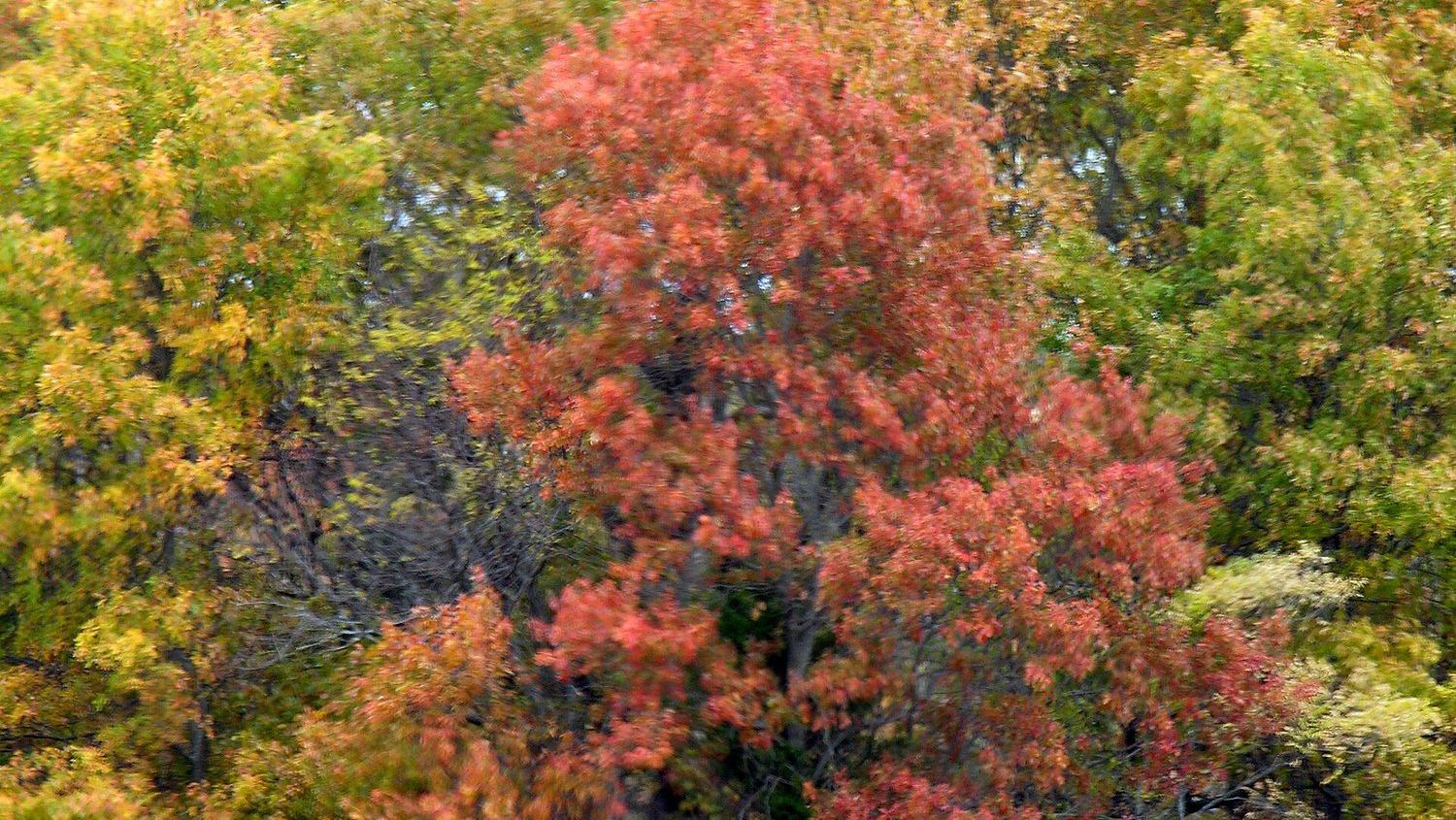
Sources: Texas Parks and Wildlife's Lake Texoma profile and official public access directory. Photograph: autumn scenery at Hagerman National Wildlife Refuge near Lake Texoma by Clinton and Charles Robertson, Wikimedia Commons, CC BY-SA 2.0; resized for this article.
