
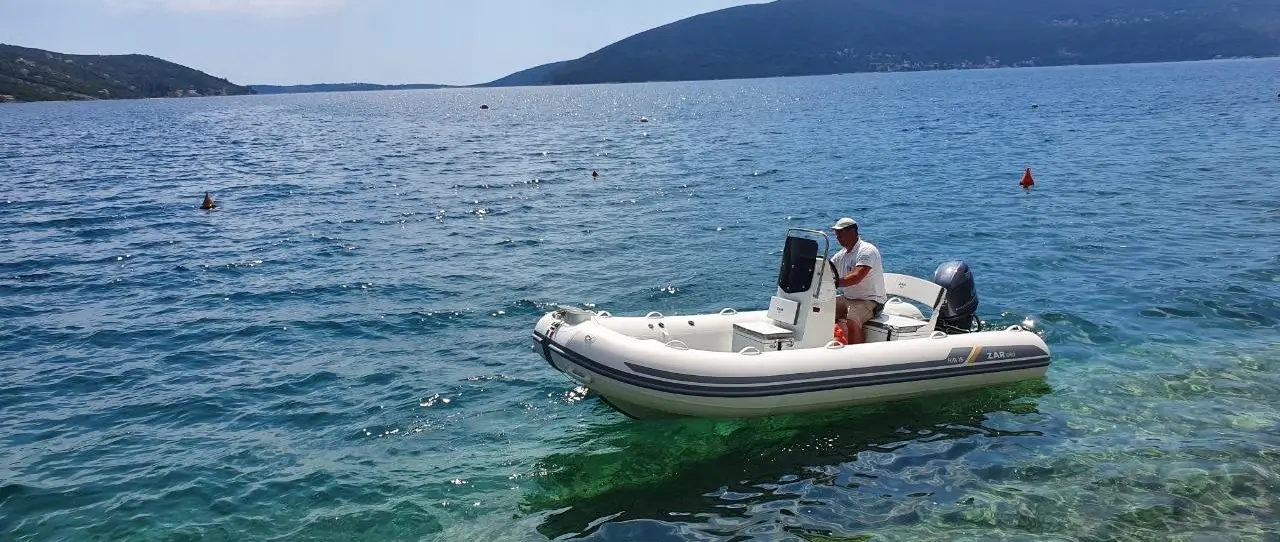
ZAR mini reorganises its American distribution
European inflatable-boat and rigid-inflatable manufacturer ZAR mini has appointed Fort Lauderdale-based Inflatable Boat Pro as its importer for the United States, formalising a relationship that has developed over more than a decade. The arrangement introduces ZAR Mini Boats USA as a central organisation for dealer orders, customer enquiries and distribution, with US orders handled through the new company from 1 September 2026. The agreement was publicly detailed in October, making the news a change in the route to market rather than the unveiling of a new boat.
For American buyers, the practical issue is whether a defined importer can make enquiries, product identification and aftersales arrangements more consistent. Small tenders are often bought through regional marine dealers and shipped well beyond their original sale area. An importer with identifiable responsibilities can help a buyer locate the right model and seek support when equipment or inflatable tubes require attention.
An established partnership becomes a formal company
ZAR mini is a brand of Germany-based MS Marine GmbH, whose managing partner Milan Sterk described the cooperation with Inflatable Boat Pro as an established relationship built on trust. Inflatable Boat Pro is led by Jeff Rodgers and has operated in the South Florida small-boat and tender market for more than fifteen years. It was the brand's first US dealer and is described by the company as the largest-volume outlet in its American network.
The appointment gives that dealer an additional wholesale and network-building role rather than simply assigning it another retail territory. The newly established ZAR Mini Boats USA is expected to coordinate dealer recruitment and availability while working with MS Marine on product development. No national inventory target or confirmed timetable for opening new retail locations has been disclosed, so owners should check current local coverage directly.
The boats are suited to practical tender work
ZAR mini markets a broad collection of inflatable craft, including lightweight aluminium rigid-inflatable boats, foldable tenders and sport-oriented larger models. A representative example is the RIB 15, a 4.6-metre aluminium tender with a published recommended engine rating of 50 horsepower. The company also offers smaller RIBs beginning at approximately 2.4 metres, as well as larger versions intended for drivers who want more seating or equipment capacity.
These different designs should not be treated as interchangeable. An owner carrying a tender in a garage has limits on overall length, beam, lifting weight and launch equipment, while a family using a boat from a trailer may give higher priority to deck circulation and storage. The central benefit of a broad range is choice, but specification and local support remain essential before committing to a particular model.
Aluminium hull construction has distinct trade-offs
Many ZAR mini rigid inflatables use aluminium hulls, which can provide a useful combination of structural strength and relatively low weight when correctly designed. The manufacturer offers models with different flooring and bow-locker arrangements, including lighter LITE designs and DL variants with more built-in structure. Some versions have optional consoles and additional seating, changing the handling of the boat and the space available to passengers.
Aluminium construction does not eliminate maintenance. Owners still need to check protective coatings, fasteners, underwater fittings and potential galvanic contact between dissimilar metals. The inflatable collar also needs its own inspection and care, including attention to pressure changes, abrasion, adhesive or welded seams and UV exposure. Buyers should request written technical guidance specific to the boat and tube material they choose.
Dealer support matters beyond the first sale
A small RIB may be used repeatedly for shore transfers, watersports or short recreational journeys. That can bring intensive exposure to sunlight, salt spray, trailer handling and periodic engine service. The ability to source correct fittings and replacement parts becomes particularly important when a boat is used by guests unfamiliar with its normal procedures or spends part of the year in storage.
The American importer says it intends to strengthen local dealer availability, but a buyer should still identify the authorised service contact in the intended operating area. Questions include who handles warranty administration, how outboard servicing is arranged and which spares are held domestically. A broader dealer network can reduce friction only if those practical responsibilities are clearly communicated.
New model development is part of the cooperation
Rodgers has indicated that product development will form part of the expanded partnership, with the businesses discussing new models tailored to American customer preferences. The importer is also planning additional marketing to make the brand more visible to boat retailers. These are plans rather than confirmed technical specifications for a future boat, and no launch dates or model dimensions have been announced as part of the new distributorship.
For manufacturers selling across continents, adapting a product can involve more than changing graphics or seating colours. Outboard availability, electrical standards, preferred helm layouts and accessories may differ between markets. Any resulting revisions will need proper engineering validation and published ratings before owners can assess their value. That is why the specific boats offered through the new company matter more than the distributor's wider ambitions.
The South Florida location supports access to buyers
Inflatable Boat Pro's base in Fort Lauderdale puts the operation close to a large concentration of recreational vessels, marinas, marine service companies and visiting yacht crews. The region is important for replacement tender purchases as well as new stand-alone small boats. Access to customers can be an advantage for gathering feedback about what works and what does not during routine operation.
However, the United States is geographically vast and its boating conditions range from sheltered inland waters to exposed coasts. A single importing office cannot by itself provide local repairs everywhere. The stated intention to recruit more dealers is therefore a significant part of the announcement, and customers should judge progress by the actual distribution and support network that develops.
What prospective owners should check
Before ordering, buyers should compare the precise length and beam of the proposed tender with the space in which it will be stored and launched. They should verify total loaded weight, passenger rating, approved engine power, lifting-point arrangements and the applicable documentation. It is also prudent to arrange a water trial with representative loads to assess comfort, manoeuvring, stability and suitability for the planned conditions.
The new importing arrangement could improve access to a European specialist in the American leisure-boat market, but it is not evidence of completed national coverage or guaranteed availability of every configuration. For now, the confirmed development is a formal US distribution structure built on a familiar commercial relationship, with potential benefits that owners will be able to test through their own dealers and service experience.