
Yanmar sets out the Metstrade plan
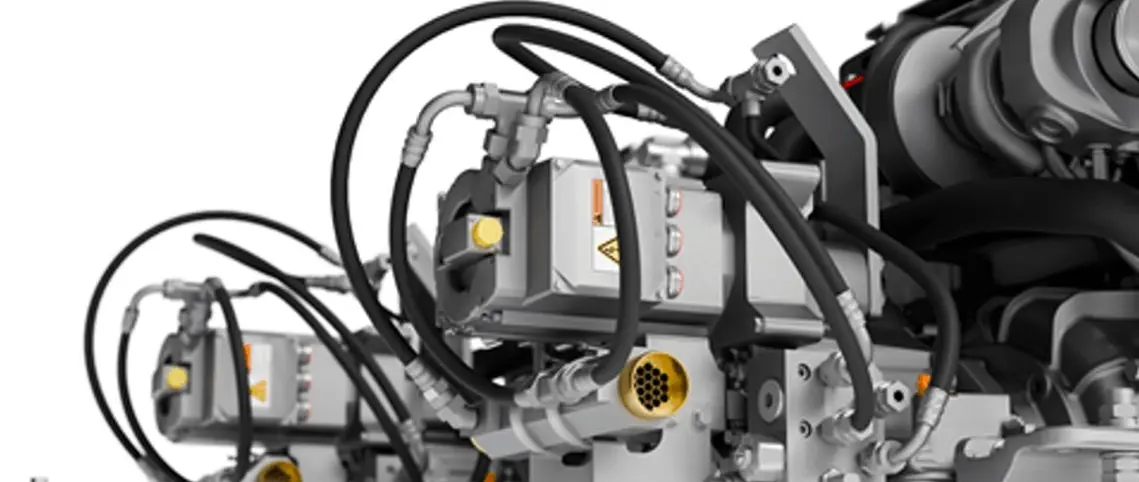
Yanmar Marine International has put the YF12e Hybrid at the centre of its forthcoming Metstrade appearance in Amsterdam, positioning the system as a way to combine conventional diesel passage-making with electric operation and useful onboard power. The manufacturer's announcement, dated 22 October 2026, schedules the presentation for 17–19 November at RAI Amsterdam. It is a preview of a show presentation, not a claim that every technical specification or commercial installation detail has already been released.
For owners considering a new displacement cruiser, the significance is the integration of several functions that are often designed and purchased separately. Propulsion, battery charging and quieter short-distance movement are all part of the proposed operating picture. Yanmar says the design targets inland-waterway craft and displacement boats in the 40–50-foot class, an important qualification because the company has not presented it as a universal substitute for a high-output planing powerboat installation.
Diesel and electric propulsion serve different tasks
Yanmar says its system combines diesel and electric propulsion, with an electric mode capable of operation without exhaust emissions at the boat and with substantially reduced noise. That is especially relevant near residential waterfronts, in marinas and on waterways where a quiet approach improves the experience for occupants and neighbours. It does not mean the electricity has zero environmental impact across its entire generation chain, nor that an individual harbour automatically permits every operating mode.
On longer passages the diesel engine remains an important part of the system, and the manufacturer also describes efficient charging and generation of onboard power from the propulsion engine. The distinction matters because the battery is not an unlimited fuel tank. How long electric operation lasts will depend on the energy stored, the load demanded by the hull and the electrical consumers running at the same time, so real-world claims need to be read alongside later test conditions.
Quiet arrival is a tangible ownership benefit
An electric arrival at a marina can be attractive even to owners who do not intend to make an entirely electric passage. Lower noise and vibration while manoeuvring give the crew a different environment at the helm and can help preserve the calm of waterside locations. At the same time, steering control, propeller response and the ability to operate safely in a crosswind or tide remain more important than the quietness of a manoeuvre.
Buyers should ask how the YF12e manages transitions between its drive modes, including whether a switch requires a pause, changes the helm response or needs specific operating conditions. The manufacturer's launch material describes a packaged solution but does not yet provide all control-system behaviour, performance curves or endurance figures for the configuration being shown in November. Those gaps are normal before a product presentation and should be documented during the sales conversation.
Onboard electricity changes the calculation
A modern cruising boat needs electrical power for refrigeration, lighting, pumps, navigation, communications and sometimes extensive domestic equipment. Batteries can provide a quiet reserve when the main engine is not running, but the reserve has to be planned against the expected overnight demand. Yanmar has highlighted power generation from the propulsion engine as part of the hybrid proposition, connecting the drive decision with the wider question of life on board.
For an owner comparing alternative systems, the useful questions are straightforward: what loads can operate together, how quickly can the pack recover charge and what happens when the vessel remains at anchor longer than expected? An onboard power calculation should include both continuous consumers and short high-demand events. Without those figures, it would be misleading to promise a particular number of silent hours, a specific fuel saving or freedom from a separate generator.
A wider Yanmar electrification programme
Yanmar places the new Metstrade presentation alongside its broader propulsion portfolio, including engines compatible with hydrotreated vegetable oil and the SDe electric saildrive. That context shows a manufacturer offering different technologies for different vessel types and operational demands. A saildrive solution aimed at sailing craft should not be treated as interchangeable with a hybrid drivetrain aimed at 40–50-foot displacement motorboats merely because both include electric machinery.
The company has discussed YF12e technology in earlier technical material, which is useful engineering background but should not be substituted for the final specification of the November 2026 presentation. Owners can use earlier documents to understand the intended architecture while checking any later changes directly with Yanmar. This distinction between a product family, an engineering paper and a particular commercial version is essential when comparing quotations from boatbuilders.
Installation and repowering questions
New-build integration gives a builder freedom to locate the batteries and electrical equipment as part of the original design. A repower introduces different constraints: the available engine space, shaft line, cooling arrangements, ventilation, service access and existing electrical installation may all limit the options. Even a compact package requires a professional installation assessment, and the release does not establish that every existing boat can accept the YF12e without structural or electrical changes.
Electrical protection and battery placement also deserve close attention. Charging equipment, battery management, isolation and emergency procedures have to be suitable for the actual vessel and its operating region. The decision should involve a competent marine installer and, where relevant, the boat's surveyor and insurer. Such checks are not an argument against hybrid propulsion; they are how the advantages of integrated technology are preserved safely through years of ownership.
Performance should be measured on the water
Marketing language about charging efficiency and onboard comfort is a useful indication of development priorities, but experienced buyers will want data from a defined boat and duty cycle. Electric range measured in calm water at low speed cannot be extrapolated automatically to a heavier boat facing tide or wind. Likewise, a percentage fuel saving measured over one harbour-to-harbour itinerary may not represent a vessel that spends most of its time at steady cruising speed.
Independent or manufacturer-supported sea trials should specify boat displacement, propeller selection, battery state, speed through the water, weather and the electrical loads carried. Buyers can then compare the result with the conventional diesel alternative that would actually be fitted to their intended hull. Those comparisons are particularly valuable when the vessel is used for long cruising seasons rather than occasional short excursions.
Metstrade will supply missing specifications
The company says more information will follow its formal presentation at Metstrade, where Yanmar Marine International is scheduled for Hall 1, Stand 343. The dates in Yanmar's own announcement are 17–19 November 2026. Engineers, dealers and boatbuilders attending the show can use the opportunity to ask about the components in the packaged installation and how the manufacturer intends to support buyers after delivery.
Among the specific details still worth obtaining are battery capacity, electric-drive output, maximum charging performance, cooling requirements, weight, installation dimensions and compatibility with particular engines and marine gears. Service-network arrangements and warranty provisions also matter when a boat will cruise away from its home marina. Until such details are confirmed for the version offered to the customer, they should be treated as open specification questions rather than settled purchase criteria.
What the economics will depend on
A hybrid installation may change the balance between purchase cost, fuel consumption, service demands and the time spent running a generator or main engine for domestic power. The direction of that balance depends heavily on how a boat is used. An owner who makes frequent short trips and wants quiet harbour operation has a different case from a skipper running extended passages at the same cruising speed every day.
Owners should calculate the complete installed price, including battery and controls, rather than compare an engine-only figure with a fully integrated hybrid package. A realistic ownership forecast also includes periodic inspections, software support, battery lifecycle and eventual component replacement. Yanmar has not released a definitive price or universal payback period in this preview, so any precise savings estimate at this point would be conjecture.
An informative launch, with questions still open
The November announcement is worth watching because it addresses a practical design problem rather than proposing that every boat become fully electric. Many cruising owners still want diesel range and familiarity but would welcome quieter operation at selected times. Combining those capabilities in a coordinated system may make operation simpler for the helm, provided the controls and service arrangements fulfil the manufacturer's intended design.
The next newsworthy milestone will be Yanmar's actual Metstrade presentation and any accompanying technical documents or builder announcements. Leisure Boat Guide will distinguish those confirmed specifications from the present preview when further material becomes available. For now, the substantiated story is that Yanmar has scheduled the YF12e Hybrid for a 2026 show presentation aimed particularly at inland and displacement cruisers, with final published performance details still pending.
Source: BoatTEST – Yanmar YF12e Hybrid Metstrade 2026 announcement, 25 October 2026.