
Yanmar secures class approval for maritime hydrogen power
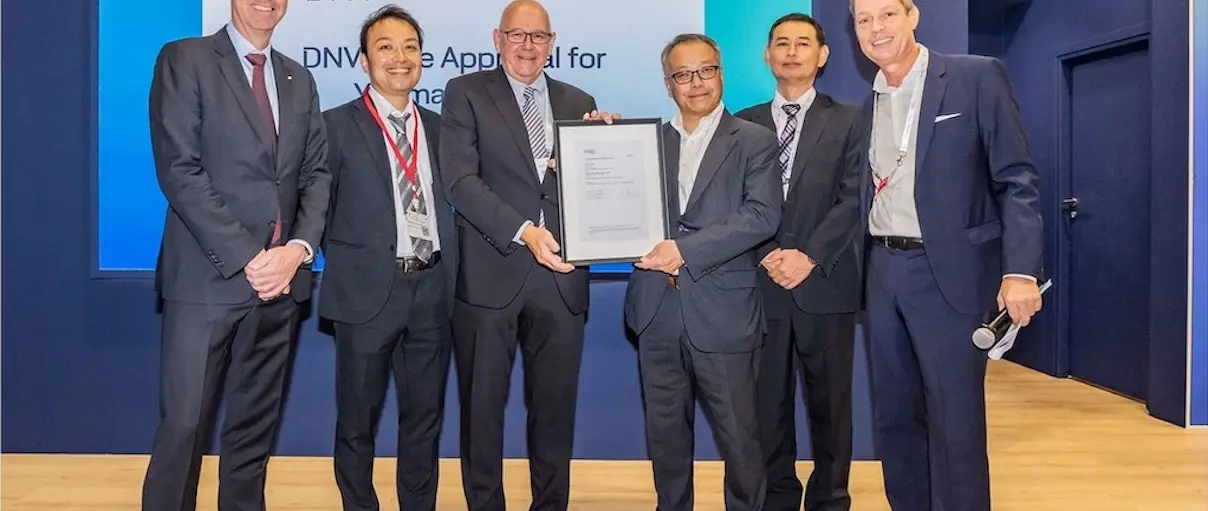
Yanmar Power Solutions has secured DNV type approval for its GH-FC series maritime hydrogen fuel-cell system. The approval confirms that the equipment meets DNV rules and guidelines for vessel applications and moves the technology further toward wider commercial deployment.
The GH-FC platform generates electricity through an electrochemical reaction between hydrogen and oxygen, producing no carbon dioxide during operation. Yanmar has developed the system specifically for marine use rather than adapting a stationary industrial product for installation aboard vessels.
Modular architecture covers several onboard power levels
The GH-FC series can be configured in 80kW, 160kW, 240kW and 320kW outputs. That modular approach gives naval architects and shipyards flexibility to match fuel-cell capacity to hotel loads, auxiliary power requirements or hybrid propulsion architectures.
Yanmar says it has been developing hydrogen fuel-cell technology since 2015 and commercialised its first maritime systems in 2023. The DNV approval adds an independent classification reference for customers evaluating the equipment for new-build or retrofit programmes.
Hydrogen remains one of several pathways to lower-emission yachts
Large yachts and commercial vessels are exploring batteries, methanol, hydrogen, shore power and hybrid combinations as builders work to reduce fuel consumption and local emissions. Fuel cells can provide quiet electrical generation, but hydrogen storage, bunkering and supply infrastructure remain important practical constraints.
For the yacht sector, the certification is most relevant as part of a wider energy system rather than as a single replacement for conventional machinery. The next measure will be the number and type of vessels adopting the approved modules and the operational data produced by those installations.