
A famous name returns with a different riding emphasis
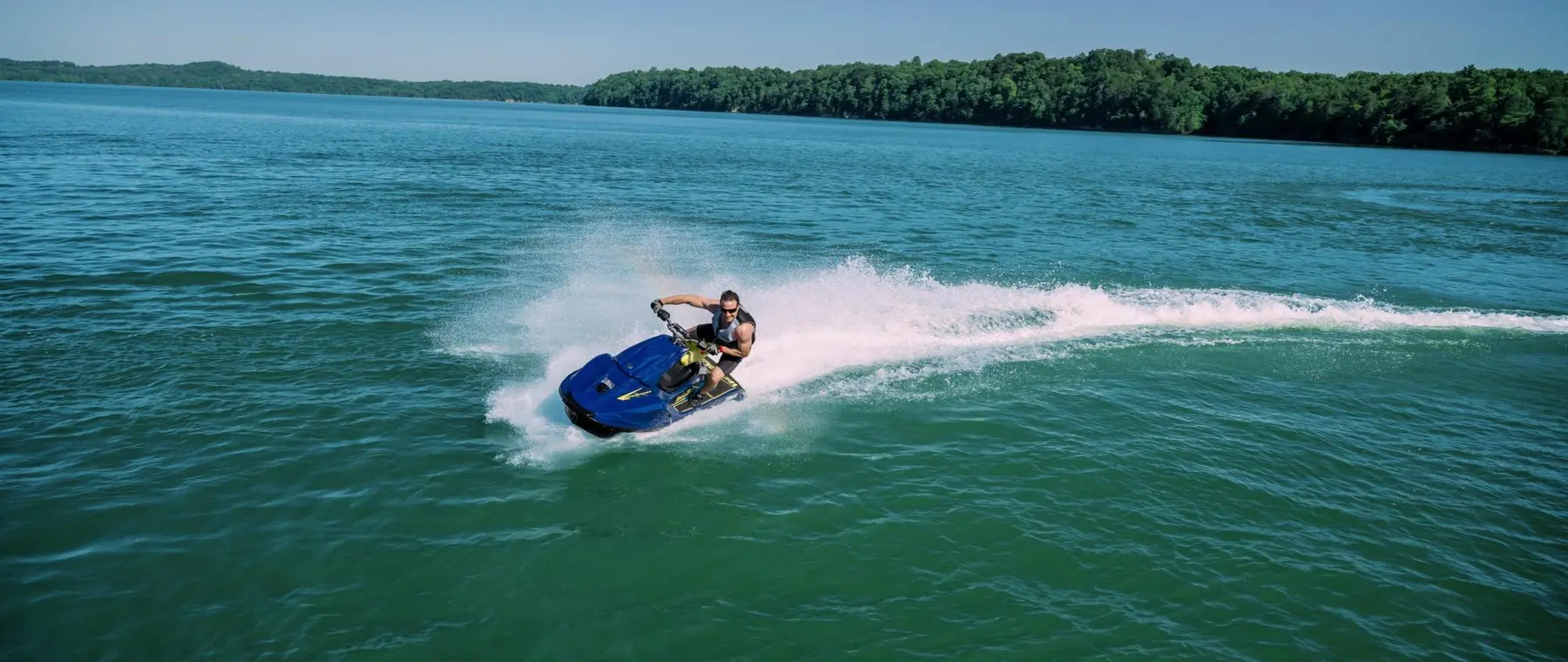
Yamaha has brought the WaveBlaster name back for the 2027 model range, using it for an unusually compact single-rider personal watercraft. The manufacturer describes a craft built to lean through turns in a way intended to feel more like an active motorcycle ride than the flatter cornering style of a larger touring WaveRunner. Its central purpose is rider involvement.
The original WaveBlaster has a strong place in personal-watercraft history, and the new model deliberately recalls that heritage. Its striking dark colour scheme and old-school graphic details are outward signs, but the more important difference is technical. The seating position, hull form and absence of conventional stabilising sponsons are intended to encourage deliberate weight movement when changing direction.
That character makes the WaveBlaster an enthusiast-oriented machine even though it is a sit-down craft. A rider accustomed to the stable feel of a broad three-seat hull should expect a different learning experience. The appeal is not primarily the ability to carry passengers or equipment, but the physical satisfaction of a carefully timed turn or short burst of acceleration.
A lightweight package around Yamaha’s TR-1 engine
Yamaha’s published US specification gives the WaveBlaster a dry weight of approximately 425 pounds and an overall length of eight feet four inches. The compact hull carries one rider, with a five-US-gallon fuel tank. These figures show how deliberately the design prioritises lightness and responsiveness rather than the range and carrying ability of a full-size touring model.
Propulsion comes from Yamaha’s 1,049cc three-cylinder, four-stroke TR-1 High Output marine engine through a 144mm jet pump. The company targets a lively performance character, but speed claims should always be separated from independent measured results. Actual performance will vary according to loading, water and conditions, and the model should be operated only within applicable speed limits and safety rules.
The fuel and weight figures also shape practical ownership. A compact tank encourages shorter riding sessions with considered fuel planning, while a light craft can be easier to transport and launch than a larger machine. Neither fact makes it suitable for inexperienced unaccompanied operation in rough weather, and a rider should plan a safe return with reserve fuel rather than use the entire tank exploring.
Lean-in handling is an engineered distinction
The WaveBlaster uses a composite hull constructed with Yamaha’s VARTM process and a shape designed to roll inward under the rider’s influence. Yamaha says the model has no sponsons, a deliberate departure from the stabilising features common on many performance PWC. The intention is to let the rider use body position to create a more involved carving sensation.
Moulded foot chocks and a central rider position support that dynamic style. These features need practice rather than aggressive imitation of marketing footage, especially when the rider is new to standing and leaning on moving water. The manufacturer also includes a Learning Mode intended to moderate output during familiarisation, which can help make initial practice more progressive.
The handling concept is best appreciated in appropriate, lawful conditions with clear space and an understanding of other water users. A lean-in hull is not an invitation to approach swimmers, other craft or shallow shorelines at speed. Recreational safety and protective equipment remain as important on a specialised machine as on the most modest family PWC.
A focused machine with deliberate compromises
There is no attempt to conceal that this is a one-person design. It omits the passenger capacity and extensive convenience equipment that define the larger VX and FX lines. Owners considering the WaveBlaster should therefore think of it as a dedicated riding machine, perhaps a complement to a family boat, instead of a universal solution for every trip.
Its absence of some high-end screens and connectivity features reflects that focus. Yamaha’s specifications emphasise engine response, riding ergonomics and the hull rather than turning the helm into a touring dashboard. For enthusiasts who enjoy an uncluttered experience, that restraint may be welcome. For buyers who want tow sports, music and lengthy coastal outings, a different model may be more appropriate.
The WaveBlaster also differs from a stand-up ski, even if its active handling recalls that style. It gives the rider a central seat and a different relationship with balance and control. A test ride under proper supervision is a better guide to suitability than assumptions drawn from an older craft with the same name.
Where the 2027 WaveBlaster fits
Yamaha announced availability for the new model through authorised dealers during the first quarter of 2027 in the US market. Timing and specification may differ elsewhere, and customers should confirm local delivery before committing to any seasonal plan. As with any new design, the ownership decision should include dealer support, registration, insurance and appropriate protective riding equipment.
The significance of the launch is a choice of character. The personal-watercraft market has become strongly associated with larger, stable, multifunctional machines, and Yamaha is offering a deliberately specialised alternative. Its small dimensions, single seat and weight-shift steering place rider involvement ahead of passenger accommodation or storage space.
For the right enthusiast, that makes the WaveBlaster a meaningful addition to the 2027 range. It is a craft to use thoughtfully in suitable conditions, not a substitute for a family touring machine. The value of its design will be judged in repeated, controlled riding sessions where the owner can enjoy its distinctive handling without mistaking excitement for an absence of limits.
Model specifications, configuration and availability are subject to market and dealer confirmation. See Yamaha Motor’s official model page for the latest information. Photograph courtesy of Yamaha Motor Europe, official 2027 WaveBlaster action photograph.