
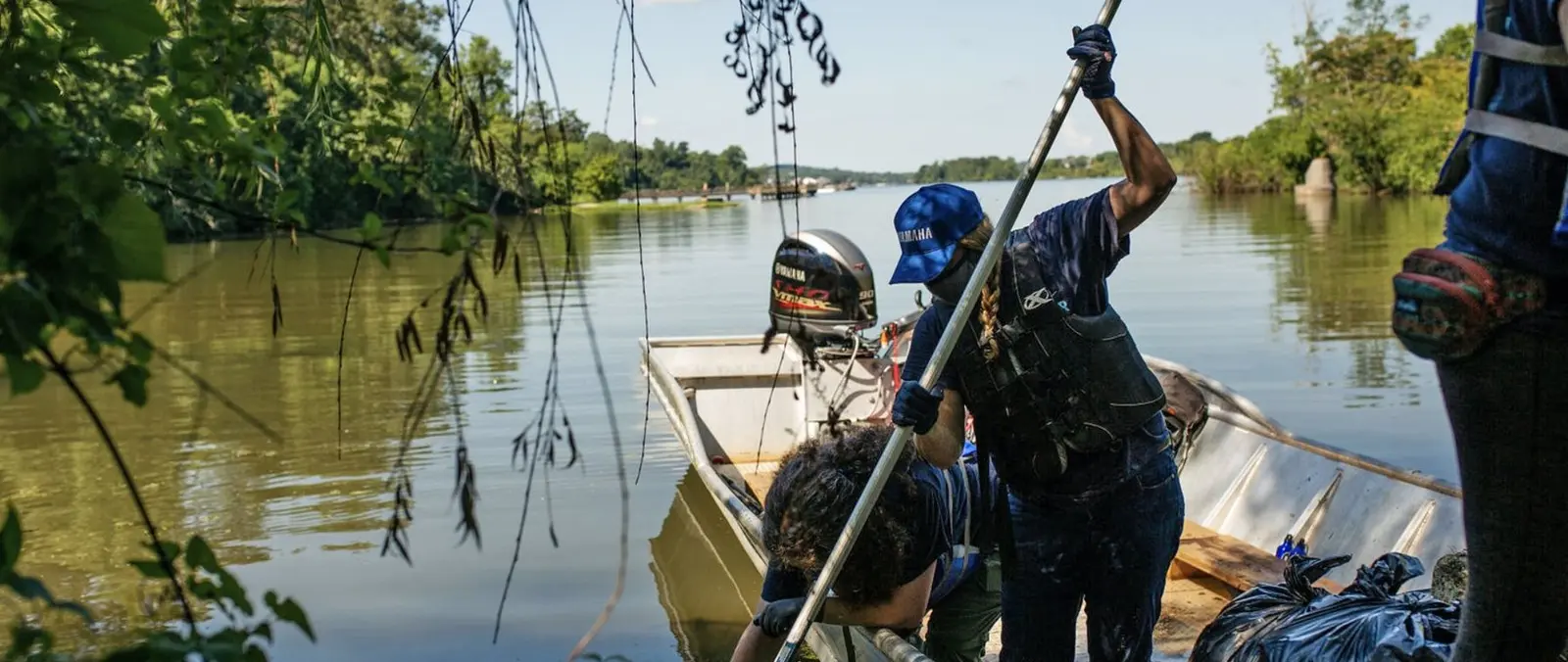
A dedicated cleanup platform
Yamaha Rightwaters and Anderson Marine repowered Keep the Tennessee River Beautiful’s 25-foot aluminium work boat with a V MAX SHO 90 outboard. The boat is used during volunteer missions to remove rubbish and support stewardship along the river.
The Tennessee River runs for more than 650 miles and connects communities across several states through its wider tributary system. A dependable work boat gives cleanup teams the ability to reach shoreline areas that are difficult to access from land.
Why propulsion matters
Cleanup boats often operate slowly, carry awkward loads and make repeated short runs between collection sites. Reliable low-speed control and predictable starting are therefore as important as outright speed.
A repower can extend the useful life of an existing hull while improving reliability for volunteers. That can be more efficient than replacing an entire work boat when the platform itself remains sound.
Healthy rivers support recreation
The Tennessee River supports boating, fishing and waterside communities, all of which depend on cleaner water and usable shorelines. Litter removal is a simple form of conservation, but it produces immediate benefits that boaters can see.
Projects like this also help volunteers build a direct connection with the waterways they use. That community involvement can be just as important as the equipment supplied by industry partners.
A practical Rightwaters project
For LBG readers, the project is another example of marine equipment being used beyond leisure alone. The same outboard technology that powers family and fishing boats can also support cleanup and habitat work.
Keeping heavily used waterways healthy requires repeated practical effort rather than one-off campaigns. A dedicated work boat gives that effort a reliable platform throughout the season.