
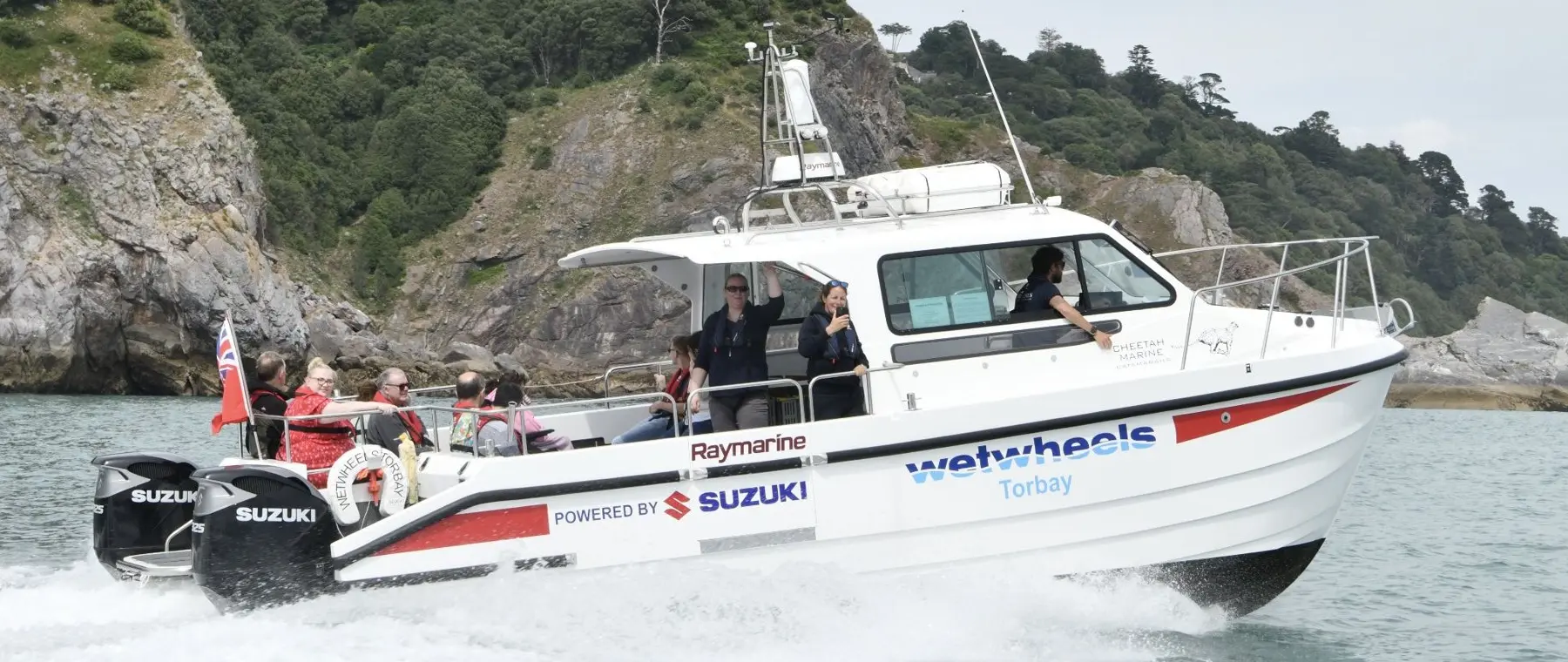
Fundraising focused on the organisation behind the boats
Wetwheels Foundation has set a three-year fundraising target of £250,000 to strengthen the management and support structures behind its accessible boating network. Announced through British Marine on 1 October 2026, the initiative follows a strong period of activity for the charity. The funding is intended to support staff capacity, fundraising and consistent coordination, rather than being presented solely as a purchase budget for another boat.
The foundation works with eight wheelchair-accessible powerboats around the UK. Its focus is to give disabled participants and their families opportunities to go afloat in an environment designed around their needs. For the broader small-boat community, the programme illustrates how vessel design and trained people can remove barriers to participation.
Participation figures show the existing reach
The charity says it delivered 1,404 inclusive experiences during 2024–25, involving more than 11,000 participants. Some 54 per cent were experiencing open water for the first time, and 1,826 wheelchair users took part. Volunteers and crews contributed more than 2,500 hours. These are figures reported by the organisation, not independent projections for its next season.
A successful accessible outing involves planning well beyond the boat itself. Suitable boarding arrangements, secure places for wheelchair users, clear communication and qualified crew all play a role. Local operators need enough resources to maintain safety and reliability, especially when demand increases.
Why central capacity matters
Wetwheels says its national organisation has relied on trustees and part-time contributors for fundraising, management and development tasks. The proposed fund would increase operational resilience, allow the team to plan partnerships and reduce pressure on individual volunteers. For a charity serving people whose travel arrangements may require extra care, reliability is an important part of accessibility.
The foundation highlights its Torbay operation as an example of demand after new funding enabled a further boat. The first five months saw more than 500 disabled participants and relatives enjoy coastal outings. The result does not establish that every location will follow the same growth pattern, but it helps illustrate why the charity wants stronger central capacity.
Supporting meaningful access to the water
The October appeal creates opportunities for marine businesses, local partners and individual supporters to contribute. Anyone seeking to fund a particular activity should ask how donations will be used and what reporting the organisation provides. Financial assistance is only one part of creating accessible maritime experiences.
Leisure boating becomes more welcoming when operators design services around the people who wish to participate, not just the boats available. Wetwheels' capacity campaign is about supporting that work over several years, while the safe delivery of each individual trip remains with its trained crews and local operators. A clear distinction is needed between an organisation’s national fundraising objective and the cost of one outing. Supporters should understand the central functions funded by the appeal, including coordination and sustainable partnerships, rather than assuming that a donation goes straight towards fuel or individual tickets.