
Western Australia’s transport department has renewed its boating-safety campaign with wind conditions as the main focus for 2026. The department says wind is a factor in about one third of serious boating incidents in the state, making forecast checks and vessel suitability central to the campaign.
The message is aimed particularly at skippers of smaller recreational craft, where a change in wind strength can quickly affect comfort, control and the ability to return safely. Rather than presenting one universal limit, the guidance links acceptable conditions to the size and capability of the vessel.
A vessel-size guide for wind
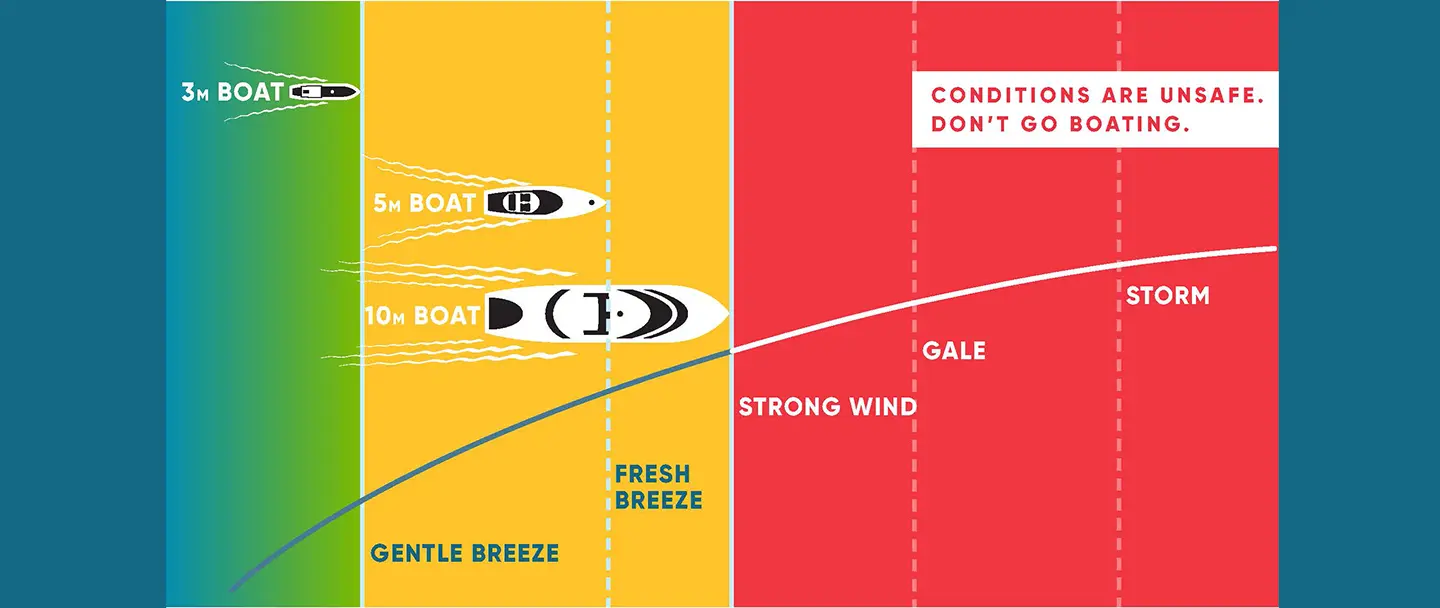
Transport WA says winds up to about eight knots are generally considered safe for recreational boating, while winds up to 18 knots are usually manageable when the vessel is longer than five metres. The figures are presented as practical guidance rather than a guarantee that every boat, skipper or location will be safe at those speeds.
Once winds rise above 20 knots, the department says conditions can become uncomfortable or unsafe unless a vessel is longer than about 10 metres and suited to the conditions. Skippers still need to consider local seas, experience, loading, weather direction and the return journey before deciding to leave the ramp or marina.
Wind can turn routine trips into incidents
The department lists capsizing, collision, sinking, flooding, swamping and grounding among incidents in which wind can play a part. Checking the forecast before departure and continuing to watch conditions while afloat can give small-boat crews more time to shorten a trip or head for shelter.
A multi-year boating-safety campaign
Western Australia says more than A$250,000 is being invested over five years in the wider campaign, with different risk factors addressed as incident data develops. The 2026 wind message is therefore part of a longer programme intended to turn accident evidence into practical guidance for recreational skippers.