
Fresh water without a conventional fixed installation
The American company Vital Lyfe has brought a portable watermaker concept into the leisure marine conversation, appearing in METSTRADE's October 2026 discussion of new marine businesses. Its Access system is promoted as a compact unit that can convert seawater and certain other source waters into drinking water without the permanent plumbing associated with many onboard desalination installations. The firm's own website describes a portable, multi-step process and directs visitors towards pre-orders. For owners of small cruising boats, the appeal is clear: limited tank capacity, modest locker space and the expense of modifying an established boat can make conventional watermaking impractical. The important distinction is that a promising unit and manufacturer output figures are not the same thing as an independently confirmed, certified supply of safe drinking water in every location. This report examines the proposal in the context of everyday use on craft under twelve metres.
What is being offered
Vital Lyfe presents Access as a self-contained water-treatment system intended to be moved between locations. In the METSTRADE profile, founders Andrew Harner and Jonathan Criss describe a box measuring approximately 50 by 23 by 20.5 centimetres and weighing about 11.3 kilograms. They say it contains the essential elements of a pressure-driven membrane process, a battery and controls that can be operated through a smartphone. These are supplier-stated specifications from the 2026 product presentation, not measurements made by Leisure Boat Guide. The device's claimed advantage is avoiding the elaborate separate intake, plumbing and electrical installation often required for fixed marine watermakers. Its usefulness for a specific small boat would still depend on a clean source-water intake arrangement, reliable power, safe handling, acceptable product water and a suitable way to deal with waste concentrate.
A compact box still has an operating footprint
An eleven-kilogram unit may be portable for an able-bodied user, but handling it on a wet, moving deck is different from lifting it across a workshop. Small-boat owners should assess where it will be secured while under way, how it can be carried safely to a source-water location and whether hoses or other accessories increase the packed footprint. A portable system can be easier to remove from the boat at the end of the season, but moving it also increases opportunities for damage or contamination if fittings are left exposed. Storage needs to account for heat, freezing, vibration and accidental saltwater splash. A boat with a narrow companionway or limited locker opening may find the unit awkward even if its external dimensions initially seem manageable. The user should ask to see the complete operating kit assembled and packed, including any intake hoses, filters, cleaning supplies and charging equipment.
Understanding the claimed hourly output
In the original METSTRADE interview, the company described approximately twenty-three litres of produced water from saltwater in an hour and a larger quantity from certain contaminated freshwater sources. Those figures should be treated as manufacturer estimates under conditions that may differ significantly from an owner's actual harbour or passage. Membrane performance depends on source-water salinity, temperature, fouling, pressure and the condition of filters. A boat operating in a shallow estuary may encounter silt and biological contaminants that reduce flow or shorten service intervals. A useful technical specification would provide test conditions, tolerances and the expected production range rather than a single attractive headline figure. Owners should also distinguish gross water processed from water suitable for consumption and from the water used for flushing and maintenance. Until independent measurements and certified testing details are supplied, the figures describe the intended capability, not a guaranteed daily yield.
Water safety is more important than convenience
Producing clear water does not by itself establish that water is safe to drink. A desalination system must operate correctly, be maintained according to its instructions and demonstrate that product water meets relevant standards for the intended use. Source waters can contain microorganisms, chemicals, fuel residues or heavy metals as well as salt. No membrane should be assumed to remove every contaminant at all concentrations. Boaters need to know what the system is tested to treat, which water sources must be avoided and how water quality can be checked. Manufacturers should supply information about membrane integrity, filter replacement, cleaning and the response to abnormal operating conditions. A watermaker intended as an emergency resource deserves especially careful scrutiny because its owner may be tempted to operate it in questionable water when other supplies are scarce. Safe drinking water must be evidenced, not inferred from the fact that water passes through a sophisticated box.
Where an intake is taken matters
A boat can be afloat in water that is unsuitable for making drinking water even when it looks relatively clear. Marinas may contain fuel residues, sewage discharges, heavy sediment or contaminants released from maintenance activity. Running a portable unit near a busy refuelling berth or a stormwater outfall could expose its filters to material beyond their intended treatment range. Users should follow the manufacturer's source-water guidance and local environmental information, and should never assume that an onboard purification claim makes all harbour water safe. Offshore or cleaner coastal water may provide different conditions, but even then quality varies. A portable intake also needs protection from being pulled into a propeller or pinched under a hull. Small vessels have fewer protected spaces for hoses, so practical handling and securing of the water source is central to reliable operation.
Battery power and the one-hour claim
The METSTRADE profile says the system includes a battery; the company's more detailed product page explains that 12-volt power may recharge it while continuous operation calls for a compatible AC or 24-volt supply. It describes approximately an hour of operation from the onboard battery. The precise energy consumed, charging time and capacity need to be confirmed with the current manufacturer specification. A compact cruiser may have only a modest domestic battery, and water production should not compromise navigation, bilge pumping or essential communications. An owner should calculate the watt-hours needed for a realistic production session and compare that with available energy, battery chemistry and charging opportunities. Lithium batteries are sensitive to handling, temperature and charging conditions, while a dedicated power input must be protected against faults. A claimed one-hour run time is useful for preliminary planning but does not establish how many days of drinking water a crew can produce without recharging. The full energy budget includes the watermaker's own maintenance and cleaning cycles.
Portable need not mean unregulated
The ability to carry a device ashore or use it on a small boat does not remove the need for appropriate electrical and water-contact safety information. Purchasers should request applicable conformity declarations, electrical protection data, maintenance guidance and evidence supporting any drinking-water claims. They should also ask about the materials in contact with product water and the correct process for sanitising those parts between trips. An installation that requires only a temporary hose can still pose risks if intake water contaminates a clean-water container. Clear separation of untreated and treated water is necessary. If the unit is marketed across different countries, local standards and permitted uses may differ. The current company material should be checked for the exact region and product revision available for purchase. An interesting demonstration at a marine trade show cannot stand in for a complete product safety dossier.
Why a small boat might want the concept
Traditional fixed watermakers can require through-hull connections, pumps, extensive electrical work and sufficient space for membranes and filters. This can deter an owner whose boat is fundamentally suited to short coastal passages but whose water supply is limited. A portable alternative might be useful on a trailerable cruiser that visits different harbours, or to supplement water carried for a longer trip when proper source water is available. It could also serve a wider outdoor or emergency-water role ashore, which is part of the manufacturer's pitch. However, the unit's purchase price, consumable filters, energy needs and practical operating demands must be compared with simpler solutions such as carrying known potable water in suitable containers. On a dayboat, the sensible answer may still be a few secure bottles rather than a sophisticated treatment appliance. The product must earn its place in a small boat's limited storage.
It should not be an excuse to reduce reserves
A watermaker can fail because of power problems, damaged tubing, clogged filters or unsuitable source water. Cruising plans should therefore retain sufficient independent drinking-water reserves for the voyage, the crew and foreseeable delays. A portable unit may improve flexibility without justifying a reduction in essential emergency supplies. Owners should account for children, hot weather and the additional water needed for cooking or medication, and should choose a sensible reserve based on credible guidance. No equipment claim can eliminate the need for sound passage planning. A product trial should involve normal use and demonstrate the procedure for responding when the machine reports a fault or stops making acceptable water. The safer interpretation of the new technology is a possible supplement, rather than a replacement for the water-management discipline that small-boat crews already need.
Membrane care can drive the real ownership cost
High-pressure filtration systems may require flushing, cleaning or preservation during periods of non-use, depending on their design. A sailor who only uses a boat on occasional weekends should pay particular attention to what happens between outings. Stagnant water, mineral deposits or biological growth can affect performance if equipment is stored incorrectly. Portable watermakers are not exempt from these issues simply because the membranes fit inside a compact enclosure. The manufacturer should publish expected filter and membrane life under specified conditions and the cost of replacement parts. Users need to know whether components can be changed without specialist tools and what happens if the company changes its product line. The long-term expense could be dominated by consumables and servicing rather than the initial hardware price. A responsible purchaser will request a written maintenance schedule before accepting the advertised convenience as a complete cost comparison.
The questions around waste concentrate
Desalination separates water from dissolved salts and other substances, leaving a concentrate that must go somewhere. On a portable system this may involve a return hose or another discharge arrangement. The correct method depends on the equipment, source water and location, and no owner should improvise a discharge route across a deck or into an unsuitable enclosed space. Concentrated brine can also contain substances removed from polluted intake water. Environmental handling requirements need to be checked, particularly in inland waters or areas with discharge restrictions. Owners should ask how much concentrate the unit produces, whether any chemicals are used during normal operation or cleaning and what disposal guidance the manufacturer provides. The product's utility cannot be judged solely from the volume of clean water shown in a jug. A complete operating system must manage everything entering and leaving the machine safely.
How a credible sea trial would look
To evaluate the Access system for an ordinary small cruiser, an independent trial should start with a documented water source, known salinity and a fully specified electrical supply. It should measure how much product water is collected over time, the power used, water-quality results and the volume and character of discharged concentrate. The process should be repeated after several start-stop cycles and following storage, with consumable changes recorded. A useful review would also note whether a single person can handle the apparatus safely, how easy it is to set up on a moving boat and whether cleaning instructions are comprehensible. Such testing could identify genuine strengths or practical limits that a showroom demonstration cannot show. No results of that kind are claimed here. At present, the available information consists of the company's presentation and its website, not an independent field evaluation conducted by Leisure Boat Guide.
Availability is not the same as a finished trial
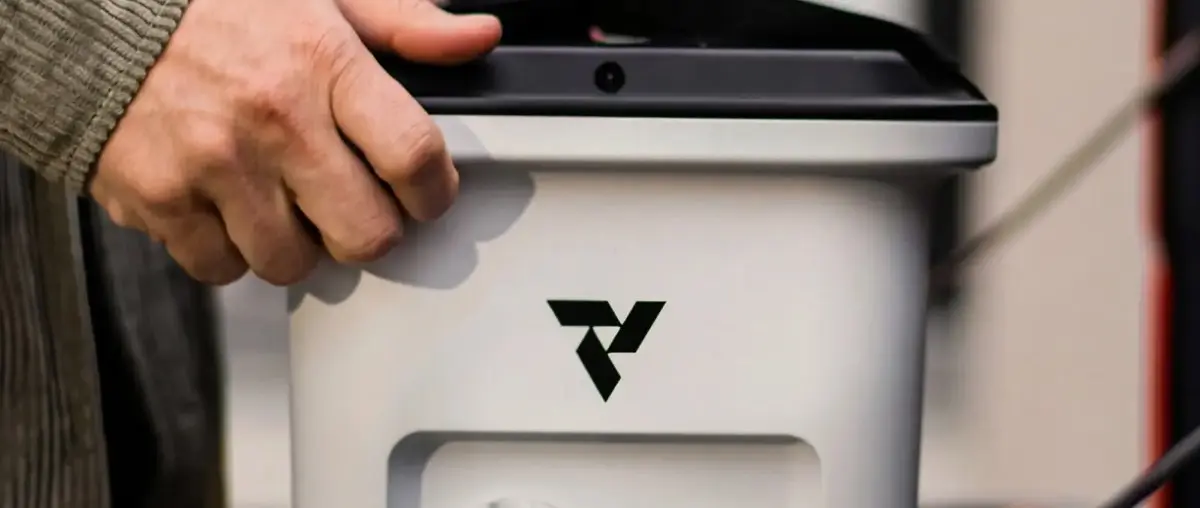
The company's current public website presents Access prominently and includes a pre-order route. The METSTRADE interview explains the portable-watermaking ambition and quotes indicative operating figures. These sources establish what Vital Lyfe is promoting, but they do not confirm that every advertised unit has already been delivered, that a particular sailor has used it successfully for months or that a named vessel has completed a voyage relying on it. The accompanying photograph is a genuine first-party image showing a person handling Access, not a picture of certified water analysis or an independent endurance test. Specifications and ordering arrangements may also evolve as the producer develops its commercial supply. This distinction is especially important when a product addresses drinking-water safety, where optimistic language can create unwarranted confidence.
A realistic place in the small-boat equipment market
Portable watermaking is worth following because it addresses a practical constraint that has traditionally pushed owners toward either large tanks or complicated fixed equipment. If Vital Lyfe can demonstrate consistent safe output, manageable electricity use and straightforward maintenance, Access could prove useful to certain cruising families and compact-boat operators. Other owners may reasonably prefer carrying purchased drinking water, especially for short trips where the added weight and complexity of a treatment system offer little benefit. The right choice begins with consumption, storage, voyage length and access to reliable fresh water. Before ordering, ask for detailed technical specifications, certification evidence, current availability, consumables and a clear warranty. A small-boat watermaker will be judged not by how futuristic the box looks, but by whether an ordinary crew can operate it safely and obtain verified potable water in realistic conditions whenever it is needed.
Primary reporting and image credit
Primary manufacturer and organiser source(s): https://www.vital-lyfe.com/access-portable-watermaker. © Vital Lyfe / original company photographer. Actual person handling a portable Access watermaker in a real setting, not proof of a water quality trial or delivery. Image is used only for correctly attributed factual editorial coverage and never represented as open-licence stock photography.