
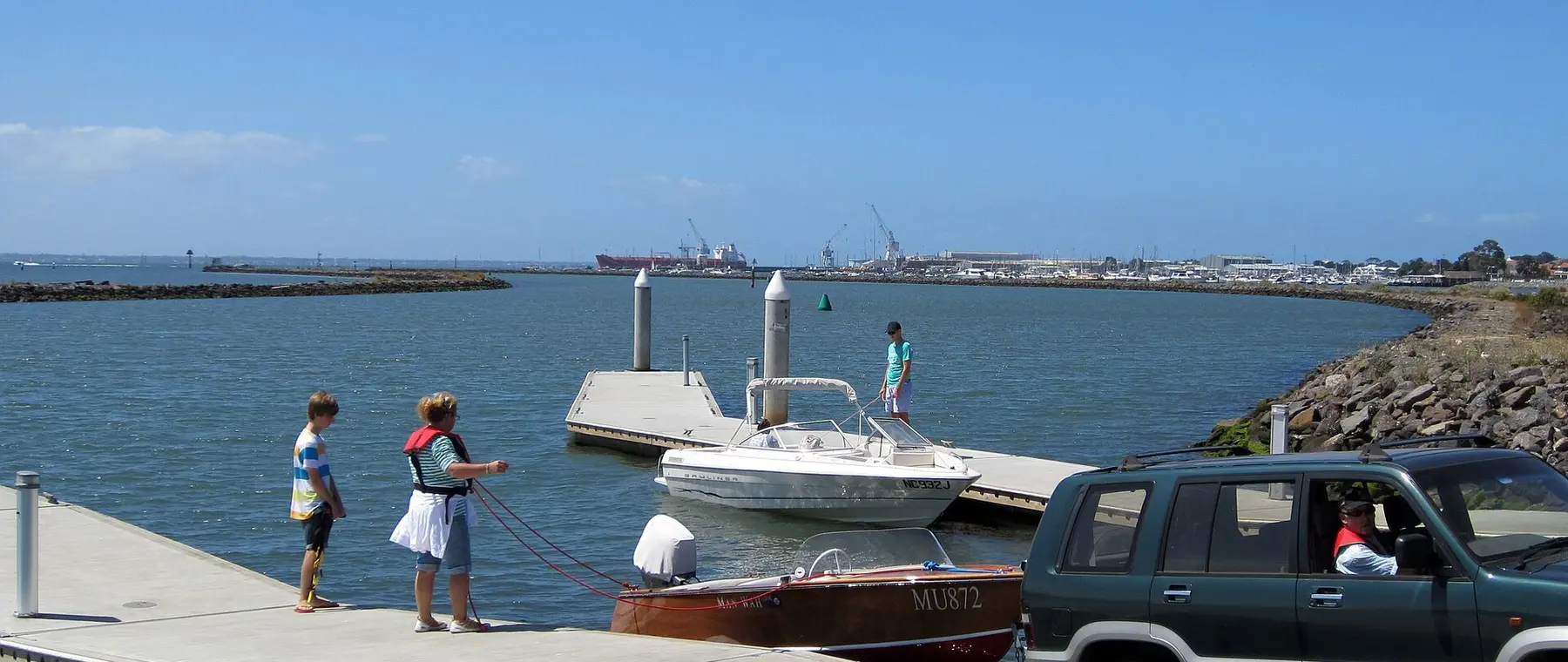
Victoria's season-long safety message
Safe Transport Victoria is running a maritime safety awareness campaign across the state's 2026–27 recreational boating season, with messages scheduled from October 2026 through April 2027. The Boating Industry Association of Victoria outlined the programme in a stakeholder notice dated 4 November. Its intended audiences are recreational boaters, personal watercraft riders and paddlers, reflecting the variety of craft and experience levels sharing Victorian waterways. The announcement describes a public information effort, not a new licensing scheme or an amendment to marine safety legislation.
The campaign matters because the decisions that shape a safe outing begin well before a boat leaves the ramp or a paddleboard slips from the beach. Weather, equipment, passenger briefing and the choice of route can all change an ordinary trip's risk profile. These are familiar issues, yet they recur in different combinations as summer approaches. By spreading reminders over seven months, the regulator is seeking to keep preparation and responsible behaviour visible throughout the season rather than relying on a single launch announcement.
Three stages rather than one warning
The first phase, labelled Preparedness, covers October and November 2026 and asks people to think about what must be done before heading onto the water. The second phase, Summer Safety, runs from December through February, the period when the campaign places particular attention on lifejackets, safety equipment, weather and alertness. The third phase, Sustaining Safety, is planned for March and April 2027, returning to preparation and encouraging maintenance and equipment checks as the boating season continues.
These are campaign windows and editorial themes, not separate periods in which different legal obligations apply. Boaters remain responsible for following the rules relevant to their location, vessel and activity whenever they go afloat. The staged approach is useful, however, because a message that is most relevant while a boat is being readied in November may need a different emphasis during a busy holiday launch in January. The programme also gives marine clubs and businesses repeated opportunities to reinforce practical advice.
Preparation starts ashore
A worthwhile pre-departure check begins with the craft itself: look over its condition, confirm that the propulsion and steering systems are functioning where fitted, and check that fuel or battery capacity suits the intended trip. Secure loose equipment and verify that essential items can be reached quickly. For a paddler, equivalent preparation may include checking the board, kayak or canoe, its fittings and the means of staying connected to the craft where appropriate. The exact checklist necessarily changes with craft type.
Passengers should also know the basic plan, including the expected return, the route and what to do if circumstances change. Where suitable, leave trip details with someone ashore so a delay does not pass unnoticed. A mobile telephone can be useful but should not automatically be treated as a substitute for equipment required by applicable regulations or suited to the operating area. The central message is to make these decisions before arrival at a crowded ramp, when the pressure to launch can encourage shortcuts.
Weather remains a moving decision
Checking a forecast before setting out is a starting point rather than a promise that conditions will remain unchanged. Wind strength and direction, local chop, visibility and the potential for an afternoon change can matter as much as the headline temperature. Operators should think about the conditions they can safely manage on their particular boat, and about how quickly they could reach shelter if a forecast changes. Sheltered inland water and exposed coastal passages can pose very different problems.
Plans should have sensible alternatives: a shorter trip, a more protected route or a decision to remain ashore. During the outing, take changing cloud, wind and water conditions seriously and keep track of the time needed to return. The campaign's summer phase explicitly highlights weather awareness, but monitoring the conditions is good seamanship in every month. Boaters should use current official forecasts and local safety information, including any warnings or restrictions affecting their launch point and operating waters.
Lifejackets are a focus, not a footnote
The December-to-February phase singles out lifejackets and safety equipment among its principal themes. That emphasis gives clubs and retailers an opportunity to remind customers to check condition, fit, accessibility and whether each person has suitable equipment for the craft and activity. A lifejacket that cannot be found quickly, is badly fitted or has not been maintained may provide less protection when it is urgently needed. Operators should also understand how their equipment is intended to be used.
Victoria's requirements vary according to circumstances and activity, so any article or poster should direct readers to the current official rules rather than declare a universal rule for every boat. Personal flotation equipment is only one part of preparation; communications, navigation and emergency items may also be relevant. The practical question for owners is whether equipment is present, serviceable and appropriate for the water they expect to use. An annual purchase alone does not establish continuing readiness.
Personal watercraft and paddlers included
The campaign explicitly includes personal watercraft users and paddlers, not just conventional motorboats and sailing yachts. That matters in mixed-use waterways where different craft close on one another at different speeds and with different manoeuvring characteristics. Riders and operators should pay attention to nearby people, designated areas and local restrictions, and should avoid assuming that another water user has seen them. Paddlers may be especially exposed to weather and visibility changes because their craft offer little shelter.
Safety advice is most useful when it reflects those differences rather than treating every water user as a miniature powerboat operator. A recreational kayak outing might call for careful attention to wind, clothing, communication and the chosen landing place; a personal watercraft trip raises additional questions about speed, spacing and awareness of other traffic. In both cases, users should check rules applicable to their craft and location. Safe Transport Victoria's audience-first framing is an acknowledgement that one generic message cannot cover every situation.
Peak summer requires concentration
During December, January and February the programme shifts to Summer Safety, a period when waterways can attract a mix of regular operators and occasional users. The source announcement focuses this stage on wearing appropriate lifejackets, carrying suitable safety gear, understanding weather conditions and remaining alert. Those priorities are not limited to novice boaters. Experienced skippers can become distracted in familiar waters, particularly when supervising passengers or handling unexpected traffic near ramps and popular destinations.
A useful passenger briefing can be short but specific: identify safe seating positions, explain which parts of the boat should be kept clear, point out where essential equipment is stowed and establish how to report a concern. Operators should keep sufficient attention on navigation and traffic rather than allow conversations or phones to dominate. At launching areas, patience and preparation also help reduce conflict between crews. These suggestions are practical interpretation of the campaign's themes, not a list of newly announced Victorian offences.
The late-season maintenance reminder
From March to April 2027, the Sustaining Safety phase is intended to refresh the earlier messages and draw attention back to vessel maintenance and equipment inspections. That makes sense for boats that have been heavily used across summer, as well as craft that have spent weeks idle. Wear, water ingress, corrosion, discharged batteries and missing consumables may not be obvious until the next trip. Even a simple review can reveal issues that are easier to resolve on shore than afloat.
The campaign description does not specify a new inspection deadline or a mandatory post-summer service. Maintenance should follow the maker's guidance, the actual condition of the vessel and any existing regulatory obligations. For owners planning autumn outings, an end-of-summer check is also an opportunity to reassess clothing, daylight and the expected operating environment. A trip that felt comfortable in January may require different preparation later in the season even if the destination remains unchanged.
Industry and community groups have a role
The Boating Industry Association of Victoria is circulating a stakeholder pack that encourages organisations to share the programme through social media, newsletters, banners, community events and face-to-face conversations. Marine dealers, chandlers, training providers, sailing clubs and local boating groups can translate a broad public campaign into reminders that reach people where they buy equipment, arrange trips or receive instruction. The association's notice invites stakeholders to amplify existing messages rather than create a competing set of instructions.
Consistency is especially important when the audience spans motorboats, personal watercraft and paddle craft. Industry partners can link directly to the regulator's up-to-date guidance, while adding a relevant local context such as checking a launch area's notices or planning around changing weather. Clubs could use a brief seasonal reminder before activities; a business could include a relevant safety prompt in a customer newsletter. These are possible applications of the available pack, not commitments attributed to particular clubs or retailers.
What Victorian boaters can do now
For a November outing, the immediate theme is preparedness: inspect the boat or paddle craft, review the route, assess the forecast, organise appropriate safety equipment and make sure everyone understands the plan. As summer arrives, revisit lifejacket readiness, maintain awareness of surrounding traffic and treat unexpected weather as a reason to revise plans. In March and April, recheck the equipment and condition of the craft rather than assume a successful summer has left everything unchanged.
Boaters can find the campaign outline and stakeholder material through the Boating Industry Association of Victoria, while official Safe Transport Victoria and Boating Victoria channels remain the appropriate places to confirm current rules and local guidance. Readers outside Victoria should consult their own maritime authority because legal requirements and conditions vary between jurisdictions. The campaign's underlying idea is straightforward: preparing, remaining attentive and checking again later in the season are connected habits, not isolated tasks to complete once a year.
Image credit: Brooklyn3012 / Wikimedia Commons, CC BY-SA 3.0 — licence. Illustrative photograph; resized for presentation.
