
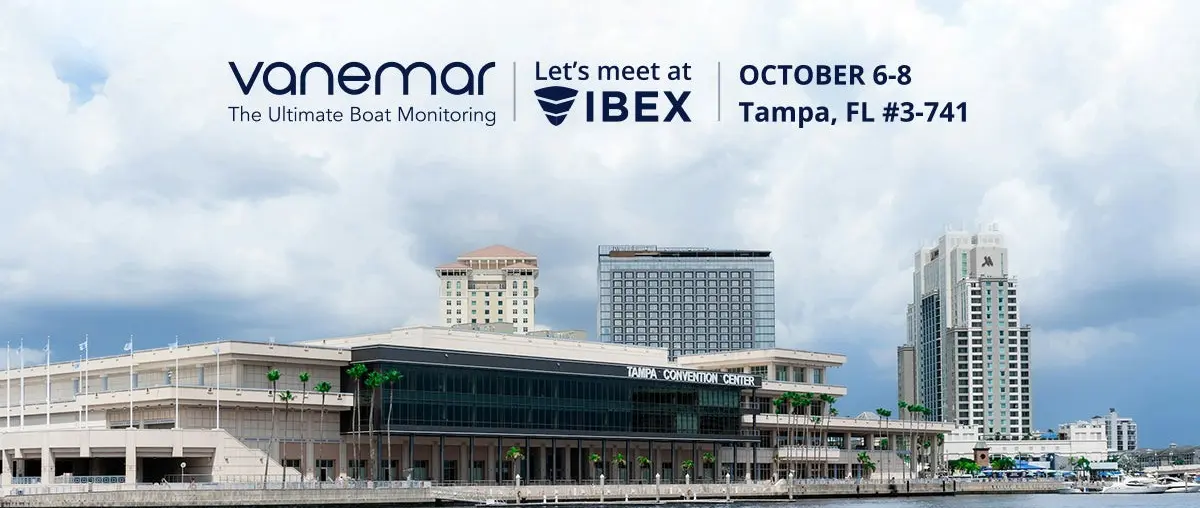
Vanemar expands its monitoring system at IBEX
Boat-monitoring specialist Vanemar used IBEX 2026 in Tampa to introduce wireless security cameras and a new way to display critical alerts on compatible NMEA 2000 multifunction screens. The manufacturer presented its expanded system between 6 and 8 October, showing how owners can combine remote monitoring from a mobile device with warnings at the helm. The updates are aimed at both individual leisure boats and operators responsible for larger groups of vessels.
The announcement marks a development of the existing Vanemar platform, not the unveiling of an entirely new boat or an independently certified safety system. Its value for owners lies in bringing information from different devices into places where it is easier to notice and act upon. Whether a particular installation achieves that depends on compatibility, setup and routine testing.
Wireless cameras offer visual confirmation
The new cameras add images to a monitoring system previously centred on measurements and alerts. A built-in passive infrared motion sensor can detect movement, trigger recording and generate a notification through the Vanemar app. The manufacturer says the cameras use rechargeable batteries and wireless connectivity, avoiding the need to route the same power and video cables used by some conventional onboard security systems.
This can be attractive for an owner who wants to monitor a cockpit, saloon or another protected area without major alteration to the boat. Camera placement still needs attention to privacy, battery charging, wireless signal coverage and practical access for maintenance. A camera with a useful picture during a demonstration may perform differently inside a metal structure or behind equipment that obstructs its signal.
IP65 protection is not underwater certification
Vanemar describes the wireless camera enclosure as IP65 rated, indicating protection against dust and projected water under specified test conditions. That makes it suitable for some exposed marine locations, but it does not establish that a camera can be immersed in seawater or subjected to unlimited pressure from washing equipment. Owners should examine the mounting instructions before choosing a position on a spray-exposed boat.
The same applies to battery care and condensation. Rechargeable devices still need safe charging arrangements and periodic inspection, particularly if they spend long periods unused. A camera monitoring an unattended vessel should have a documented charging routine, because the absence of an image can otherwise be mistaken for the absence of a problem.
Important alerts move from the phone to the helm
One of the more practical IBEX demonstrations involved the Vanemar NMEA 2000 Boat Adapter. The company says this interface allows selected warnings from the monitoring platform to appear directly on compatible multifunction displays. These can include bilge, smoke, battery and motion alerts, allowing a skipper to see warnings in the place used for navigation and vessel systems.
The benefit is a reduction in the need to consult a separate mobile app while steering or manoeuvring. Integration must nevertheless respect the vessel's existing electronic architecture. The actual alerts available, how they appear and whether sound or acknowledgement functions are supported will depend on the hardware and software combination. Boat owners should verify the details with the installer and display manufacturer before purchasing components.
Owners can decide which warnings appear
The updated Vanemar app includes settings for choosing the alerts shown on the helm screen. The company also describes an option for temporarily muting repetitive notifications without disabling the associated sensor. A selective interface may help avoid overloading the skipper with low-priority information when several monitoring devices are connected.
Such choices require discipline. Repeated warnings sometimes point to an installation problem, a genuine changing condition or a sensor that needs maintenance. Muting alerts should never become a substitute for identifying why they occur. Critical alarms need to remain conspicuous and understandable to anyone who may take control of the vessel, including an unfamiliar family member or a charter skipper.
The rest of the monitoring system remains relevant
Vanemar's core equipment includes a gateway with GPS tracking, mobile connectivity and anti-tamper functions, together with wireless smoke, bilge, entry and movement sensors. Its NMEA 2000 adapter can also connect to selected engine, tank and battery information, with arrangements for digital switching. The product family is intended to give owners a broader picture of a boat's condition when they are on board and away from it.
A monitoring installation should begin with an assessment of the boat rather than a shopping list of sensors. Bilge alarms need to be positioned where water can be detected early, smoke sensors must suit the intended space, and battery monitoring requires suitable electrical connection. Coverage from mobile networks can vary significantly, so a system that sends remote warnings should not be relied upon as the only safeguard.
Fleet operators have a different set of needs
The manufacturer is also showing a fleet dashboard intended for businesses managing multiple boats. A rental operator, sailing school or marina service team may want a consolidated view of position, alerts and equipment status instead of asking staff to check each vessel separately. The dashboard is intended to reduce the time needed to identify which boat needs attention and what kind of response may be appropriate.
However, fleet data bring operational and privacy responsibilities. Managers should establish who can view locations, what information is retained and how notifications reach an authorised person outside office hours. A remote platform is only useful if there is a procedure to respond to genuine problems. An alert that nobody monitors is not a complete safety measure.
Marine electronics require planned integration
IBEX is a technical marine industry show, making it an appropriate venue for equipment suppliers to explain interfaces to boatbuilders and installers. Vanemar's updated system reflects a wider move toward bringing more vessel monitoring information into NMEA 2000 displays and connected applications. The advantage is a more consistent interface for everyday operation, provided the installation is engineered and documented correctly.
Owners should establish compatibility with their particular multifunction display, software version and NMEA network before making a purchase. They should also consider updates, cybersecurity, replacement batteries, spare sensors and what will happen if an online service becomes unavailable. These practical details are especially important when a boat is operated in remote areas or routinely left unattended.
What the Tampa announcement establishes
The confirmed development is the presentation of wireless cameras and multifunction-display alerts at IBEX 2026, alongside the established Vanemar gateway, sensors and fleet software. The manufacturer has not supplied independent evidence that these additions eliminate theft, flooding or mechanical failures, and their features should not be overstated as guaranteed safety outcomes. They provide more ways for a crew to receive information and respond.
For leisure boaters, that is still a meaningful improvement when the installation is appropriate to the vessel. Monitoring works best as one layer alongside maintenance, safe operating procedures and a crew that knows what to do when an alarm appears. The new cameras and helm integration extend Vanemar's capabilities, but their real measure will be how dependably they support owners during ordinary use.