
A review with implications for small-boat anglers
On 6 November 2026, the US Department of the Interior and Fish and Wildlife Service announced Rooted in Purpose, a review of the National Wildlife Refuge System. The report includes recommendations intended to improve field operations and habitat management while expanding opportunities for compatible wildlife-dependent recreation. Fishing is among the activities specifically addressed. For recreational boaters who use refuge waters or launch facilities, the proposals warrant attention as a potential influence on future access.
The announcement must be read carefully. It describes a review and directions for implementation rather than declaring that every refuge has opened new fishing areas. A person planning an outing should continue to consult the individual refuge's current visitor information and applicable regulations. The national direction is relevant to future possibilities, but the practical question facing a skipper remains whether a specific waterway, launch or activity is authorised today.
The scope of the national review
The report contains 29 recommendations developed through a review process that included visits, surveys and consultation with a range of people connected to the refuges. The agency identifies involvement from employees, state and tribal partners, conservation organisations, landowners and local communities. The resulting recommendations address several aspects of how the system is managed.
For a recreational fishing boat owner, the significance of that breadth is that a decision about access does not exist in isolation. A launch ramp depends on physical facilities and management resources. Fishing may depend on habitat quality and the ability of staff to administer appropriate local requirements. Coordination with other authorities may be needed when a waterway crosses different jurisdictions. These are some of the practical connections between the review's organisational proposals and the experience of a visitor at the water.
What compatible recreation means
The wording concerning compatibility is fundamental. A national wildlife refuge is not simply a recreational marina with a different name. Its specific conservation purposes and the habitats it protects provide the context in which visitor activity must be considered. Compatibility therefore needs to be assessed in relation to the particular refuge and proposed activity.
For anglers, this could mean that fishing is permitted in certain places but not in others, or only under specified conditions. Boating can also be subject to restrictions distinct from decisions about whether fishing is permitted. A visitor should not assume that a permission to fish from shore automatically includes access by motorboat, or that a permitted paddle route also allows an anchor to be dropped wherever convenient. Knowing the rules of the individual site is an essential part of using refuge waters responsibly.
Field operations and local management
The Interior announcement emphasises directing resources towards work undertaken in the field. The proposals include reconsideration of administrative arrangements and stronger support for operational roles. For visitors, effective local management can be important in ways that are not always apparent from a national policy announcement.
A functioning access site requires attention to maintenance, local conditions, communication of operating rules and the handling of issues affecting the public. The people working directly at a refuge may be well placed to identify practical difficulties that a visitor experiences. Whether the proposed changes lead to improvements at a particular site will depend on implementation, available resources and that site's priorities. It would be premature to promise a new facility or a more convenient launching arrangement on the strength of the national review alone.
Infrastructure and boat-access facilities
Maintenance and infrastructure are among the areas considered by the review. This is particularly relevant to people who arrive with a recreational boat on a trailer, because the usefulness of an access point depends on more than the existence of a ramp on a map. Road access, usable parking, the condition of the ramp and water levels may all affect the practical suitability of the site for a given vessel.
A refuge may also provide facilities intended for canoes and kayaks rather than powerboats. The type of activity and the needs of different users deserve attention when infrastructure decisions are considered. From the skipper's standpoint, the immediate task is to confirm the actual facilities available and arrive with a suitable craft. From a boating policy standpoint, well-targeted maintenance could help preserve appropriate access without requiring unnecessary development in environmentally sensitive areas.
Coordination with other authorities
The report calls for stronger coordination involving hunting and fishing, alongside continued work with states, tribes and other partners. Recreational fishing commonly involves overlapping management responsibilities. The authority responsible for a refuge's visitor facilities may not be the only authority governing fish harvest, licensing or movement of boats.
Before undertaking a trip, identify the applicable sources of information. A state fishing licence does not necessarily establish that all areas within a federally managed refuge are open to fishing. Similarly, a refuge's permission to use a particular launch does not automatically relieve a visitor of fishing regulations that apply to the surrounding waters. Clear communication and coordination between agencies can help visitors understand these distinctions. Until any changes have been implemented, however, the skipper must follow the rules that actually apply.
Habitat and the long-term value of fishing
The review places habitat management at the centre of the refuge mission. Its recommendations address several management interventions and support for the practical work needed to maintain the resources that refuges exist to protect. This aspect is closely connected to the interests of responsible recreational anglers.
Fishing opportunities depend on the quality of the environments in which fish live. Long-term management can involve invasive-species control, protection of sensitive areas and other actions that may temporarily affect visitor access. From a fishing boat, restrictions of that nature can appear inconvenient, particularly if they affect a favoured location. The underlying objective, however, can be consistent with preserving the quality of future recreational experiences. Any proposed change should be evaluated in terms of its actual purpose and the evidence relevant to the particular refuge.
Access choices for different types of boat
Recreational fishing from small craft encompasses a range of boats, from a canoe or fishing kayak to a compact powered boat intended for sheltered or inland waters. Their effects on an access site and their requirements can differ substantially. A shallow launch suitable for a kayak may be inadequate for a heavy trailer boat. A waterway allowing quiet non-motorised travel may have restrictions on the use of an engine.
When considering refuge access, choose the boat appropriate to the site's authorised activities and physical conditions. Check requirements such as operating hours, motor limitations, designated landing areas and seasonal closures with the responsible authority. Do not interpret national proposals for expanded recreation as permission to disregard those requirements. One of the advantages of small-boat ownership is the ability to choose a craft well suited to a particular setting, rather than expect every waterway to accommodate every boating activity.
Law enforcement and responsible use
The review also discusses strengthening refuge law enforcement and support for staff. The importance of that work extends beyond enforcement of fishing rules alone. Wildlife protection, management of visitor activity and observance of access conditions are integral to responsible use of protected public waters.
Individual skippers can contribute by learning the requirements before departure and organising their outings so that compliance is straightforward. Carry the licences and other documentation required for the activity. Avoid disturbing wildlife, remove rubbish and take appropriate precautions against the movement of invasive species on equipment. Where a barrier, sign or official instruction prohibits access, respect it rather than treat the absence of a visible patrol as permission to pass. A well-managed recreational opportunity depends on visitors participating responsibly as much as on the management arrangements themselves.
Following implementation rather than assumptions
The November announcement indicates an intention to strengthen refuge management and improve opportunities for compatible recreation. It offers a basis for following developments on access, habitat and infrastructure, but it does not establish a universal opening date or a list of new boating routes. Future decisions affecting individual sites are particularly important for readers planning actual trips.
Boating organisations and marine businesses can follow official updates and seek current information on relevant facilities as proposals are implemented. Anglers should verify which waters are open, which craft may be used and which fishing rules apply for their intended visit. The useful goal is not simply to increase the number of places a boat can be launched. It is to preserve meaningful access to healthy waters in a manner consistent with the purposes for which the protected landscape is managed.
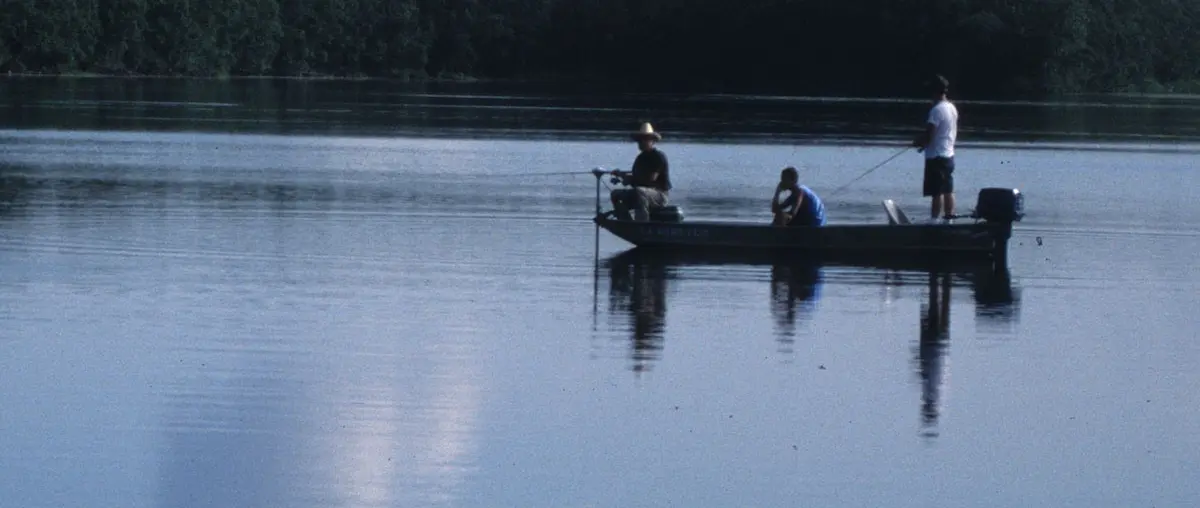
Official source: Read the primary announcement. Small boat anglers at Atchafalaya National Wildlife Refuge; USFWS, public domain, 15 November 2021. Archive photograph, not evidence of any newly opened refuge. Photograph used with documented public-domain provenance.