
Texas announces the closing date
Texas Parks and Wildlife Department announced on 12 November 2026 that the private recreational red snapper fishing season in federal waters will close at 11:59 p.m. on Friday, 20 November. The decision is particularly relevant to owners of trailerable offshore fishing boats who have been considering another trip along the Texas Gulf coast before the end of the season. There is now a definite closing date to incorporate into that planning.
The announcement covers a particular recreational fishing category and fishing area. Do not interpret it as a closure of every red snapper fishery in Texas, or apply the same date automatically to a federally permitted charter operation. The distinction between the rules for private recreational boats and those for other fishing sectors is important. A skipper should confirm the current regulations applicable to the vessel, the passengers and the waters in which fishing is intended.
A notably long federal season
The 2026 federal season began on 22 May, earlier than the conventional 1 June opening date. Texas Parks and Wildlife reports a total of 183 days, describing it as the longest season since Texas began managing this part of the fishery in 2018. The extended period has provided private boat owners with substantial time in which to arrange lawful offshore outings.
The length of a season is important to businesses catering to recreational anglers. It enables owners to spread fishing trips over a larger part of the year rather than concentrate all activity around a short period. For boat dealers, mechanics, marinas and tackle suppliers, the implications can be significant. A longer season does not, however, establish that every participant has fished more frequently or that demand for every associated service has increased. Weather, vessel availability and individual circumstances also play a part.
Why a seasonal closure is still necessary
Texas manages the relevant catch allowance in cooperation with the federal fisheries authority. The department monitors landings and uses that information when deciding when fishing in federal waters needs to end. The quota concerns the permitted weight of fish taken, rather than simply the number of days for which a fishery has been open. This helps explain why the calendar can vary between years.
Owners should recognise that a closing date is not a recommendation to fish right up to the last possible moment. It sets a regulatory limit within which suitable decisions about weather, equipment and the crew's experience still have to be made. A favourable forecast earlier in the closing week can be a better choice than a marginal forecast on the final day. The opportunity to retain a particular species should never outweigh ordinary responsibilities for the safe operation of a boat.
Federal and state waters are different
Texas Parks and Wildlife states that red snapper fishing may continue in Texas state waters after the federal closure, subject to the applicable state limits and the remaining allowable state catch. The state's waters extend up to nine nautical miles from the coast in the context described by the department. Its announcement gives a state-water recreational bag limit of four red snapper per person per day and a minimum length of 15 inches.
Those figures apply to the specific situation addressed by the Texas announcement. They should not be used as a universal regulation for red snapper fishing elsewhere in the Gulf, or as instructions for an outing that crosses different management areas. Boat owners should consult the current official rules on possession, transport, jurisdiction and any exceptions before departing. Carrying a catch from one area into another may raise separate compliance questions that need to be resolved in advance.
Navigation and keeping the trip within the rules
A fishing plan should identify the target water before the boat leaves the ramp. An electronic chart can assist the skipper in understanding position and distance, but the boundaries used by fishery regulations must be taken from appropriate official information. An estimated distance from a convenient landmark is not necessarily sufficient to determine the legal status of the vessel's location.
A navigation plan also needs to consider the return passage. Crossing a boundary while carrying fish may involve rules that differ from those governing the initial act of catching them. Verify the relevant guidance rather than make assumptions based on the location in which the fish were caught. Equipment should be working, current and suitable for the route, and the people aboard should understand the skipper's plan. These are practical responsibilities for every outing, not merely those taking place near a season closure.
Catch monitoring and the role of the angler
The department continues to monitor red snapper landings using its creel surveys and its Texas Hunt & Fish mobile application. Its announcement encourages anglers to report their landings even when they continue fishing in state waters. The reporting process contributes to information used when estimating harvest, which in turn supports decisions about available fishing opportunities.
Recreational fishermen sometimes encounter a request for catch information at a launch ramp or through an app and may regard it as unrelated to their enjoyment of the day. In a quota-managed fishery, however, the quality of the information has a direct relationship with the decisions governing future seasons. Consult the department about current reporting instructions and provide accurate records. Do not confuse voluntary or encouraged reporting described in one announcement with a blanket statement that every reporting requirement is optional.
Research into fish returned to the water
Texas also highlighted its participation in the Gulf-wide DisCARD study during 2026. The initiative, undertaken with Mississippi State University and the other Gulf state fisheries agencies, collects information from anglers about reef fish that are caught and released. The department expects the study to continue during the 2027 federal season.
The inclusion of released fish is important because a fishery is not defined solely by the fish brought ashore. Anglers may encounter fish that cannot lawfully be retained or that they choose to release. Suitable handling methods and compliance with current equipment requirements are therefore part of responsible participation. Fishermen can obtain current guidance from the appropriate authorities rather than rely on informal recommendations. Information recorded through research projects can help scientists develop a more complete understanding of recreational fishing activity.
Preparing a small offshore fishing boat
A red snapper outing can involve exposure to offshore weather and sea conditions, especially when the skipper intends to fish beyond sheltered coastal waters. The boat's suitability for the planned trip depends on far more than whether it is equipped with rod holders and fishing electronics. The engine, fuel reserves, communications equipment and flotation arrangements all need to be considered against the expected conditions.
Before the final days of the season, check the forecast relevant to the actual route, the boat manufacturer's guidance and the limits of the crew's experience. The available hours of daylight and the practical arrangements for launching and recovery deserve attention as well. Make the decision to turn back or cancel when necessary. A closing date can create understandable enthusiasm, but it does not make a poorly timed or inadequately prepared trip more appropriate.
After November 20
After the federal private recreational season ends, some Texas boat owners may choose to continue pursuing red snapper within state waters when regulations and conditions permit. Others may make different fishing plans, use the period to service their boats or concentrate on trips appropriate to the season. The announcement explains the continuation of state-water opportunities while the associated catch allowance remains available.
It is worth checking the actual rules each time a trip is arranged. A season can be affected by further official action, and a different target species may have its own restrictions. For marine businesses, clear communication about the distinction between fishing opportunities and guaranteed catches is useful. A skipper assessing a charter booking should ensure the operator is appropriately authorised for the activity offered, rather than assuming that a different fishing sector follows the same schedule as a private boat.
What the announcement means for 2027
The unusually long 2026 season offers useful context for fishermen considering future trips, but it does not establish the opening or closing date for 2027. Those decisions depend on the management framework and the evidence that becomes available. Recreational anglers should follow future notices from Texas Parks and Wildlife Department and the relevant federal authority.
For now, the immediate information is clear: the current federal private recreational season ends late on 20 November. The state-water provision is distinct and remains conditional on the applicable management decisions. The most satisfactory way to use an attractive boating opportunity is to plan a lawful, suitably equipped outing, contribute accurate catch information and recognise the importance of sustainable harvest. An enjoyable day afloat need not depend on taking the maximum allowable number of fish.
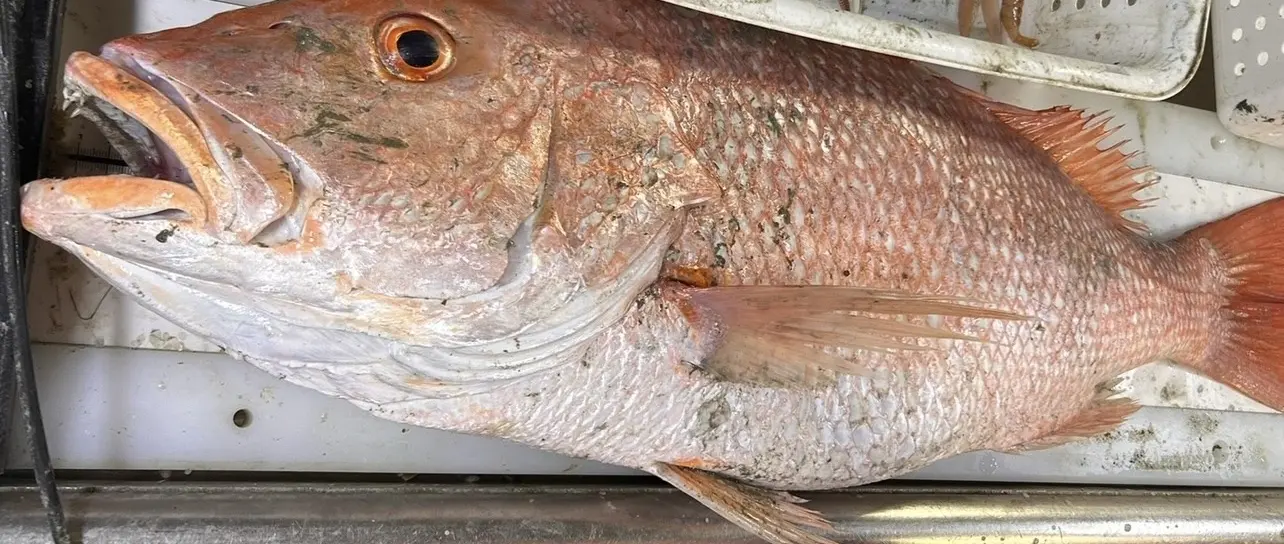
Official source: Read the primary announcement. Red snapper from the 2023 fall groundfish survey. NOAA Fisheries/Hannah Shahmoradi; archival species photograph, not a Texas recreational catch. Photograph used with documented public-domain provenance.