
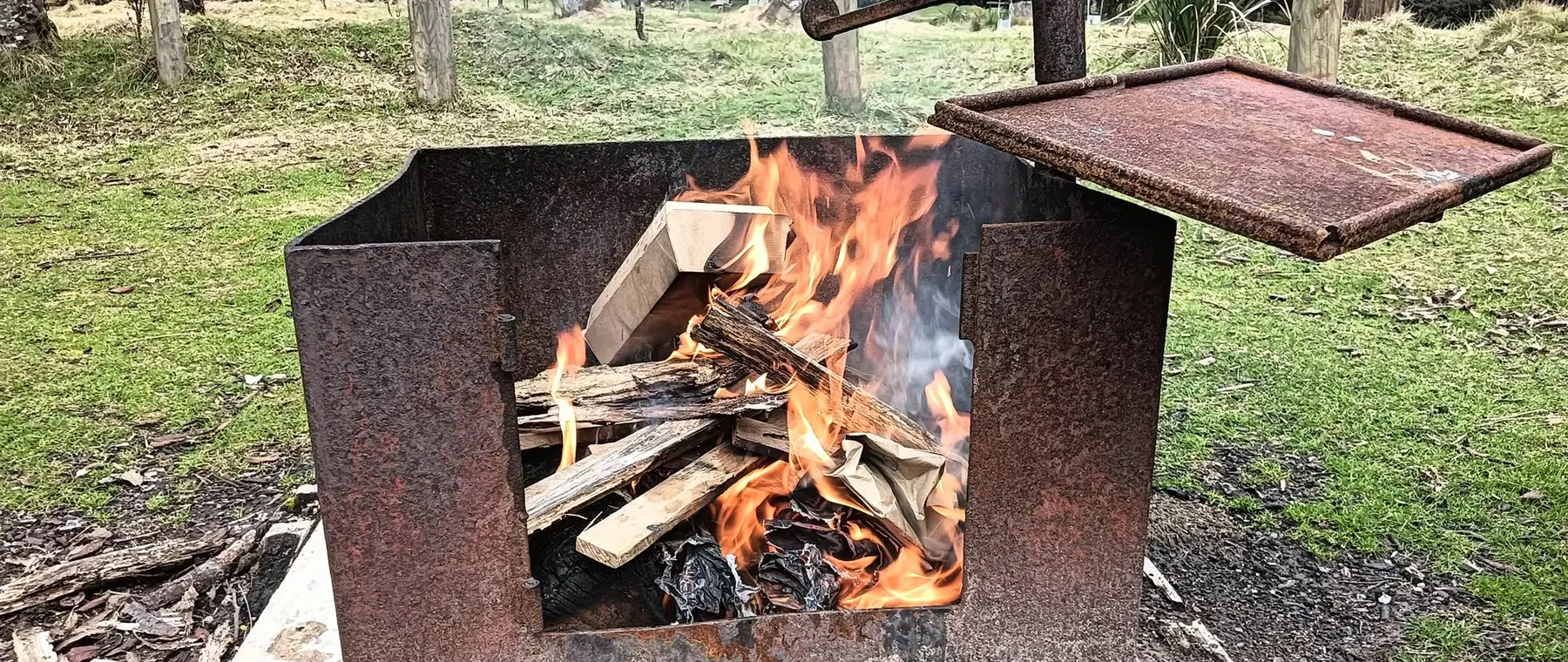
Boaters planning a shore visit to Tasmania's eastern national parks and reserves have new fire rules to check from Monday, October 26, 2026. Tasmania's Parks and Wildlife Service announced that seasonal campfire bans will begin at 2am on reserved land across a wide group of municipalities, including coastal regions with popular boating destinations such as Freycinet, Maria Island and parts of Bruny Island. The restriction affects what visiting crews and families may do on land, even if the journey there is made by boat.
The agency's October 23 announcement says the new seasonal rules prohibit campfires, pot fires and other solid-fuel stoves in the affected areas. It states that gas stoves and gas barbecues may be permitted under the broad seasonal ban, although individual parks and campsites can impose separate, stricter conditions. A boater arriving by dinghy should therefore check the named reserve's rules rather than rely on the fact that the vessel has no car or campsite booking.
Which boating destinations are within the affected areas?
The Parks and Wildlife Service lists Glamorgan-Spring Bay among the municipalities where the seasonal restriction takes effect, including Maria Island and the Freycinet region. It also lists Kingborough, including Bruny Island, along with Break O'Day on Tasmania's east and north-east coast. The agency maintains an official alert page and map identifying affected reserved lands, and these should be reviewed against the actual destination before setting out.
Freycinet National Park, the Bay of Fires Conservation Area and Maria Island National Park are among the familiar coastal places appearing in the park service's fire-alert material. Their popularity with visitors does not create an exception for a picnic reached by tender. The relevant boundary is the managed reserve and its posted rules, not whether the shore is approached from the road or the sea.
The bans also reach inland reserves across the listed municipalities, so the impact is broader than a handful of postcard beaches. Nevertheless, readers should not interpret the announcement as a prohibition on using every public waterway, or as closure of all Tasmanian parks. The change relates to fires and certain cooking equipment on designated land, with any separate access or boating restrictions needing to be checked independently.
Gas equipment and solid fuel are not interchangeable under the rules
The October 23 notice draws a specific distinction between solid-fuel fires and gas cooking equipment. Campfires, pot fires and other solid-fuel stoves are covered by the seasonal ban; gas stoves and gas barbecues remain permitted under the announced general rule. That does not automatically authorise a particular appliance at every beach, campground or sensitive area, because park-specific fuel-stove-only or other operating restrictions may still apply.
Freycinet, for example, has long carried fuel-stove-only guidance for parts of its walking and camping landscape. Visitors should follow the more restrictive local instruction when it differs from a broad statewide summary. A private yacht's portable grill or beach-cooking kit should not be unloaded until the crew has checked whether it is acceptable at the exact location and on the intended date.
For day trips, the simplest way to remove uncertainty is to prepare and serve meals aboard, using the vessel's fitted galley and normal safety procedures. Guests can still enjoy a scenic beach or picnic spot without building a fire. Bring drinking water and pack out all rubbish, and never leave hot equipment or fuel on shore where it could damage vegetation or start a fire.
Why the restrictions start before summer
Tasmania Parks and Wildlife Service says dry conditions in much of the east, combined with expectations of warmer weather ahead, have increased concern about fires escaping from recreation sites. Its October announcement presents the ban as a preventative measure before the main bushfire season, rather than as evidence that any particular coastal park is already burning. The purpose is to reduce the risk that an unattended ember or poorly extinguished cooking fire can ignite surrounding vegetation.
The agency also reports illegal campfires found in parks during the previous year, including fires left burning when staff arrived. Those figures are the park service's own account and are not presented here as an independently audited national trend. The operational implication for visiting crews is clear regardless of totals: every shore party needs a briefing on current fire rules and a firm no-exceptions approach to open flames where they are prohibited.
What boat owners should check before a landing
First, identify the shore destination by its formal park or reserve name, not only by a beach or anchorage label used in a cruising guide. Then consult the Parks and Wildlife Service's current alerts and campfire-ban map for that reserve and day. Confirm any landing, visitor-pass, camping or access requirements separately, especially on islands where a public jetty or beach may have specific conditions.
Second, do not treat a suitable anchorage as proof that an adjacent campsite or picnic area is open for every activity. Boat access is governed by marine conditions and local navigation rules, while onshore conduct is governed by the land manager. Both sets of instructions matter to a safe outing, and weather, wind or a new notice may change either plan at short notice.
Third, brief guests and crew before anyone boards the tender. Explain that no campfires or other prohibited solid-fuel devices are to be used, that the route should remain on permitted tracks or landing areas and that waste comes back aboard. A short briefing is particularly useful for visiting families or charter guests who may be unfamiliar with Australian park practices.
Current information remains essential
According to the published October 23 notice, the restrictions begin at 2am on October 26 in the listed areas. Boaters should use that timing for immediate planning, but check official updates for any subsequent change or more restrictive local direction. The park service has advised visitors to review current fire rules before every visit and says rangers will monitor popular sites during the warmer season.
The new ban need not diminish a coastal cruising holiday. The surrounding waters, nature walks and spectacular shore landscapes remain reasons to visit where access is otherwise allowed, and a well-prepared crew can adapt without difficulty. The essential difference from October 26 is that a beach picnic or island stop must be planned around the fire restrictions that apply on land, with food, fuel and safety arrangements settled before the boat leaves the marina.