
Two buoyancy sizes for different dinghies
The range is offered in 5-litre and 20-litre versions so sailors can match flotation to the size and stability of the boat. Spinlock also allows two floats to be joined together, increasing total buoyancy where a larger dinghy or multihull requires more support.
Choosing the right amount of masthead buoyancy matters because too little may not prevent inversion, while excessive flotation can add windage and weight aloft. Owners should follow class guidance and manufacturer recommendations rather than simply fitting the largest option available.
Simple attachment is central to the design
Spinlock says the floats can either be tied directly to the sail head or hoisted into the mast track. An optional Mast Track Tag can add extra security, particularly when larger or paired floats are used on training boats and club dinghies.
That simplicity is useful for leisure sailors because the system does not require a permanent structural modification to the mast. It also means the float can be removed when the boat is packed away, transported or sailed in conditions where the owner chooses not to use it.
Quick inflation keeps setup practical
The floats use a universal valve for pump inflation and are designed for rapid inflation and deflation. Their highly visible fabric also makes them easier for instructors, coaches and rescue crews to spot after a capsize.
For sailing schools and families, equipment that is quick to rig is more likely to be used consistently. As with any inflatable safety aid, the float should be inspected for damage, valve leaks and secure attachment before launching rather than assumed to be serviceable.
A small safety aid with a clear purpose
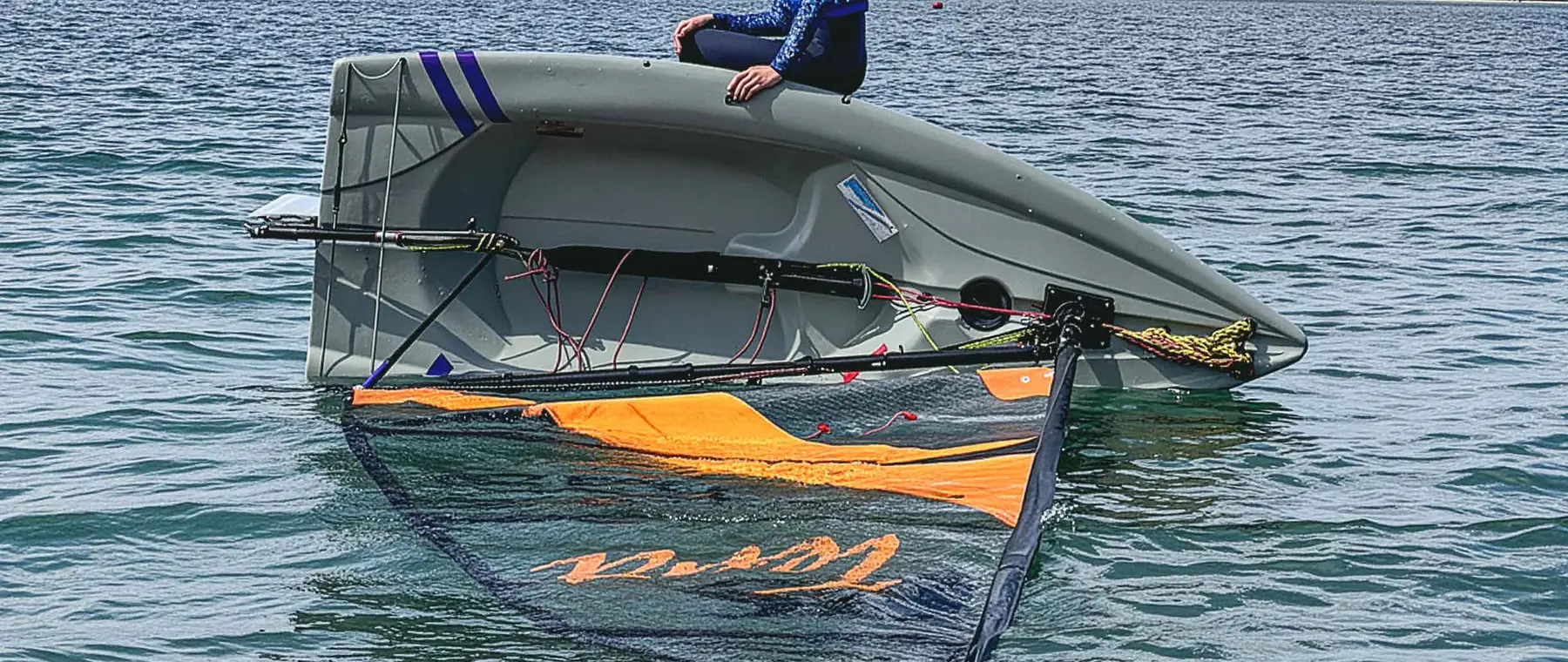
A mast float does not stop a dinghy from capsizing, but it can slow or prevent the mast from sinking far enough for the hull to turn fully upside down. That can make righting the boat easier and reduce the effort required from less experienced crews.
The product is therefore most relevant to training fleets, family dinghies, beach cats and recreational sailors who value easier recovery. It should be treated as one part of a wider safety setup that includes suitable buoyancy aids, righting technique and appropriate supervision.
Official sources: www.spinlock.co.uk.