
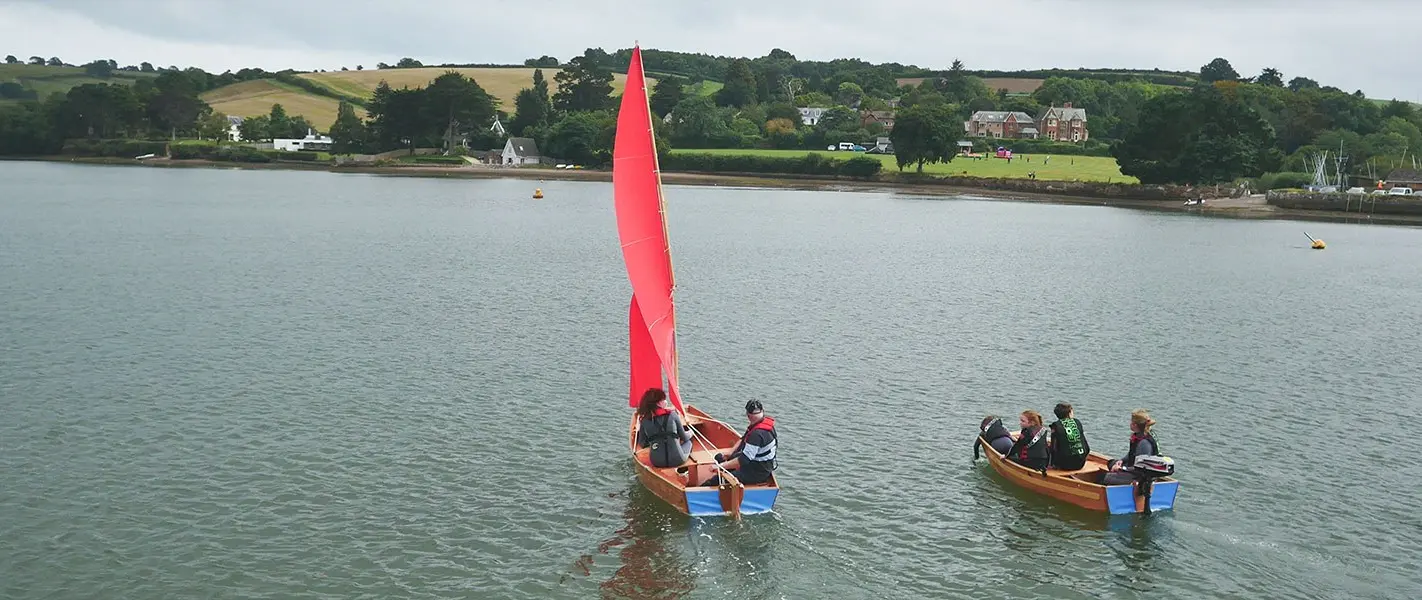
A second small boat can be surprisingly difficult to keep, especially when the garage is already full and there is no space for a trailer. Seahopper is putting its folding wooden boats forward as a different approach to tender and small-craft ownership.
The British manufacturer’s range is designed to fold into a compact package for transport and storage. It offers rowing, motor and sailing configurations, allowing a buyer to choose the arrangement that fits the trips they actually make.
A folding hull changes the storage calculation
A folding boat does not need the same permanent footprint as a conventional rigid dinghy. The manufacturer describes a system that can be assembled in a few minutes and packed away between outings.
That does not eliminate all practical considerations. Owners still need to check the folded dimensions and weight against their car, roof-carrying arrangement and available storage space.
Different uses call for different equipment
The company offers models and equipment for rowing, small outboards and sailing. A tender used to reach a mooring has different requirements from one intended for recreational sailing near shore.
A prospective buyer should review approved motor limits, crew capacity and the weight of any extra equipment for the particular model. Those numbers matter more than assuming every folding design has the same capabilities.
Preparation remains part of the boating day
Before launch, the hull and fittings should be assembled according to the maker’s instructions and checked by the person in charge. Flotation, weather limits and an appropriate lifejacket remain essential regardless of how convenient the storage arrangement is.
For LBG readers, Seahopper illustrates a specialised corner of the under-12m market: a boat designed around the constraints of ownership ashore as well as enjoyment afloat. The folding format may make a small tender practical where a conventional rigid hull is difficult to keep.