A safety product judged by how readily it is worn
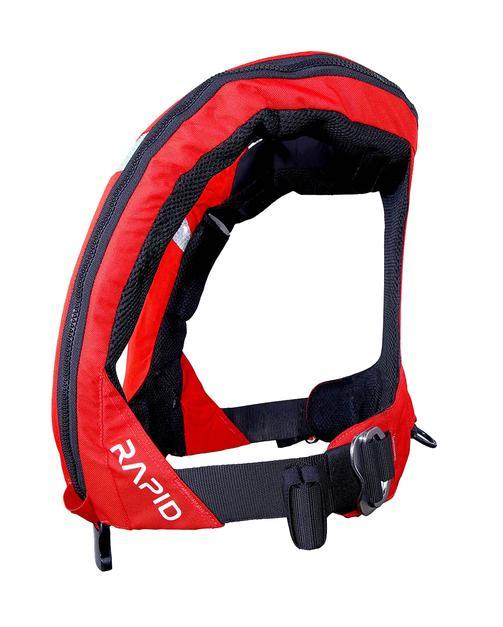
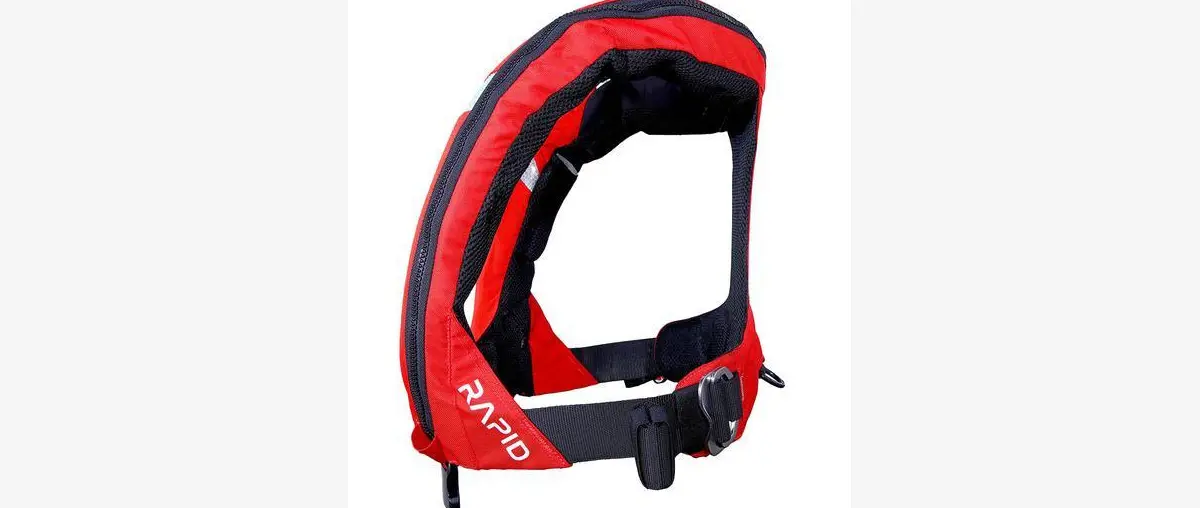
Seago Yachting Ltd is presenting the Rapid inflatable lifejacket range in its 2026 METSTRADE exhibitor catalogue, describing lightweight construction, an ergonomic fit and inflation technology intended to support recreational and professional water users. The official product entry, dated 1 March 2026, notes that the Rapid range received recognition at Seawork 2026. Its appeal to owners of boats under twelve metres lies in an issue that extends beyond any one brand: a personal flotation device only helps the wearer when it is available, suitable and correctly used. An uncomfortable lifejacket may be left in a locker rather than worn during a trip, while a poorly fitted device can create difficulties in the water. The supplier's account establishes the product family and its design aims, but does not provide complete specifications for every size or configuration. Readers should therefore treat its claims as a starting point for a careful selection process rather than proof that one model suits every boater.
What the manufacturer actually confirms
The original Seago description identifies Rapid as an inflatable lifejacket range and emphasises light weight, comfort, freedom of movement and dependable inflation. It presents the product as suitable for coastal and offshore applications within its intended configurations and references an award at the 2026 Seawork event. However, the catalogue summary does not publish the exact buoyancy rating, cylinder specification, trigger type or relevant certification of each version. Those details matter more than the name of the range. A prospective buyer should examine the label and current technical manual for the specific lifejacket being considered. Even products with similar appearance may differ in intended use or approval. The manufacturer's marketing language should not be used as a substitute for understanding the precise equipment on the shelf.
Why fit matters on a small boat
A boat with an open cockpit can expose passengers to spray, wind and sudden movement. A lifejacket needs to remain secure without restricting normal movement around seating, steps and handholds. An overly loose model can shift on the body, while one that is too tight may discourage use. The correct size depends on the manufacturer's fitting range and the wearer's measurements, not on a general assumption that a lifejacket marked adult is appropriate for everyone. Crew should adjust straps before departure and confirm that buckles are correctly engaged. A product's ergonomic design may make this routine easier, but the fitting still needs to be checked. Children, smaller adults and people wearing bulky clothing may need different models or adjustments. The best lifejacket is one that can be worn correctly throughout the relevant part of the voyage.
Inflation is an essential but not unlimited feature
An inflatable lifejacket depends on a functioning inflation arrangement and a properly maintained bladder. Depending on the exact model, activation may involve a manual or automatic mechanism, a gas cylinder and a means of oral inflation. The Seago catalogue does not establish which combination applies to every Rapid version, so buyers must check the particular product. A compact package is convenient only if the wearer understands how it operates and how to inspect it. The crew should know the difference between triggering inflation and the buoyancy provided after deployment. No inflatable lifejacket should be assumed ready for use indefinitely after being stored in a damp locker. Periodic checks and servicing are part of the safety system, and the relevant schedule should be obtained from the manufacturer.
Buoyancy ratings and suitable operating conditions
Lifejackets may be offered in different performance levels and approvals, which affect their intended use in coastal, sheltered or offshore conditions. The Rapid range is described as suitable for a broad selection of water users, but that does not mean every variant carries the same rating. Buyers should verify the exact buoyancy figure, applicable standard and any limitations related to clothing or equipment. A person wearing heavy waterproof gear may have different requirements from someone in light summer clothing. The skipper should consider where the boat will travel, whether help is nearby and how quickly an incident could become serious. The correct equipment is not always the smallest or lightest product available. A suitable lifejacket is selected for the wearer and conditions together.
Awards can draw attention without settling safety questions
Seago describes Rapid as an award-winning range and links its recognition to Seawork 2026. Industry awards can highlight design features or a useful development, but their criteria are different from a vessel's safety-equipment requirements. A prize or recognition does not automatically establish approval under every country's regulations or guarantee performance for every wearer. Owners should request independent certification and instructions for the particular model. It is also worth checking how the award relates to the exact variant on offer. Safety purchases should not be made on promotional prestige alone. The most valuable effect of an award may be to encourage buyers to investigate a product that might otherwise have been overlooked, while preserving the need for normal technical scrutiny.
Comfort can influence real-world compliance
A skipper can provide a full locker of suitable flotation devices yet still have passengers reluctant to wear them if they are bulky or uncomfortable. A lightweight construction and attention to fit may reduce some of that resistance, especially on short trips when people are tempted to consider a lifejacket unnecessary. But comfort must never come at the cost of secure attachment or the correct safety rating. A wearer should be able to sit, reach handholds and move around the deck while remaining properly fastened. The crew can test how the jacket feels during ordinary movement before leaving the marina. A short fitting session may prevent adjustments being made at an unsafe moment aboard. The objective is routine use, not just compliance with a checklist at departure.
Crotch straps, harnesses and model differences
Some lifejackets incorporate additional straps or attachment arrangements, and certain models may be designed to work with safety harnesses. None of those features should be assumed for every Seago Rapid product without examining the exact model. A crotch strap can help maintain position when appropriate, while a separate harness arrangement may be important on sailing vessels where crew move forward in difficult conditions. Owners should ask which features are provided and how they are intended to be used. A lifting or towing point, if present, should not be treated as a general-purpose attachment without the maker's approval. A lifejacket designed for flotation is not automatically a fall-arrest device. These distinctions matter because incorrectly used safety gear can create a false sense of protection.
The role of sprayhoods and visibility equipment
In reduced light or poor weather, the ability to locate and assist a person in the water can be as important as buoyancy. Some inflatable lifejacket models may include or accept a light, sprayhood or other accessories. The public Rapid summary does not establish the exact equipment fitted to every version. The buyer should check what is included and what is optional, and confirm how accessories affect servicing and repacking. A small-boat skipper should also maintain a broader man-overboard plan, including lookout, communication and recovery arrangements. A lifejacket helps a person remain afloat but does not bring them back on board. The whole crew should understand how the boat will stop, return and provide assistance. Proper equipment supports that procedure rather than replacing it.
Children and inexperienced passengers
Families using small motorboats may include passengers who have little experience with inflatable lifejackets. The skipper should not assume that an adult-oriented inflatable design is suitable for children merely because it is compact or adjustable. The manufacturer's size, age and weight guidance must be followed, and young passengers may require a different type of buoyancy aid. Inexperienced adults should be shown how the device fastens and what happens if it inflates. A verbal explanation before departure can make the equipment less intimidating. Crew should also know how to check that a gas cylinder and activation system are ready. Safety instructions can be brief and practical without turning a leisure outing into a formal training course, but they should not be omitted.
Maintenance is part of ownership
Inflatable lifejackets have components that require inspection. A cylinder may become loose, a mechanism may pass its service date, or the bladder and cover may develop damage. The owner should follow Seago's published schedule and any applicable service requirements for the precise Rapid model. Equipment stored in a wet, compressed or dirty state may deteriorate faster than expected. After use or deployment, a lifejacket should be serviced or rearmed only according to the correct procedure and parts list. Improvised replacement of components can defeat the protection the buyer intended to obtain. Keeping a simple record of inspection dates can be useful for a boat used by several family members or crew. A product can be well engineered yet unsafe if neglected.
Storage aboard a small recreational craft
A compact lifejacket may be easier to keep close to the helm or seating area than a bulky foam device, but the correct storage position depends on how the boat is used. Equipment should not be trapped beneath luggage or stored where it becomes wet or contaminated unnecessarily. Ideally, each passenger can find and put on the appropriate device without having to search through a crowded locker. If the skipper expects lifejackets to be worn throughout the trip, the pre-departure briefing should be built into the boarding routine. A boat with limited locker space may benefit from a carefully organised system, but compact storage should not take priority over readiness. A lifejacket inaccessible during an emergency is of little practical value.
Why a trial fit beats a catalogue photograph
A buyer should try on the actual Rapid model, if possible, while wearing clothing similar to what will be used aboard. The straps must adjust correctly, the neck and shoulders should feel manageable, and the jacket should remain stable during sitting and movement. The retailer should explain its inflation mechanism, service requirements and certificate. Owners should ask how replacement cylinders and other service parts can be obtained in their region. A device that is very comfortable in a shop may feel different when worn beneath foul-weather clothing or while leaning over a boat's console. A practical fitting and clear explanation are more reliable ways to select the right model than judging only on a stylish appearance or the wording of a product announcement.
A sensible reading of the 2026 Seago announcement
Seago's Rapid listing confirms an inflatable lifejacket family positioned around ergonomic wear, lightweight construction and inflation performance, with recognition at Seawork 2026. It does not support blanket claims that every model has the same approval or replaces other survival and recovery equipment. For owners of leisure boats below twelve metres, the most important lesson is that good flotation equipment must be suitable for its wearer, easy to use and maintained in a ready condition. A lifejacket that people willingly wear can form a valuable part of the safety routine, but its design should be assessed alongside certification, correct sizing and the vessel's man-overboard procedure. Buying well is only the beginning; checking and using the equipment correctly are continuing responsibilities.
Original industry sources and image credits
Lead image: Seago Rapid Inflatable Lifejacket Puts Comfort and Fast Donning in Focus for Boaters — producer original product photograph. © Seago Yachting Ltd. Original supplier image.