
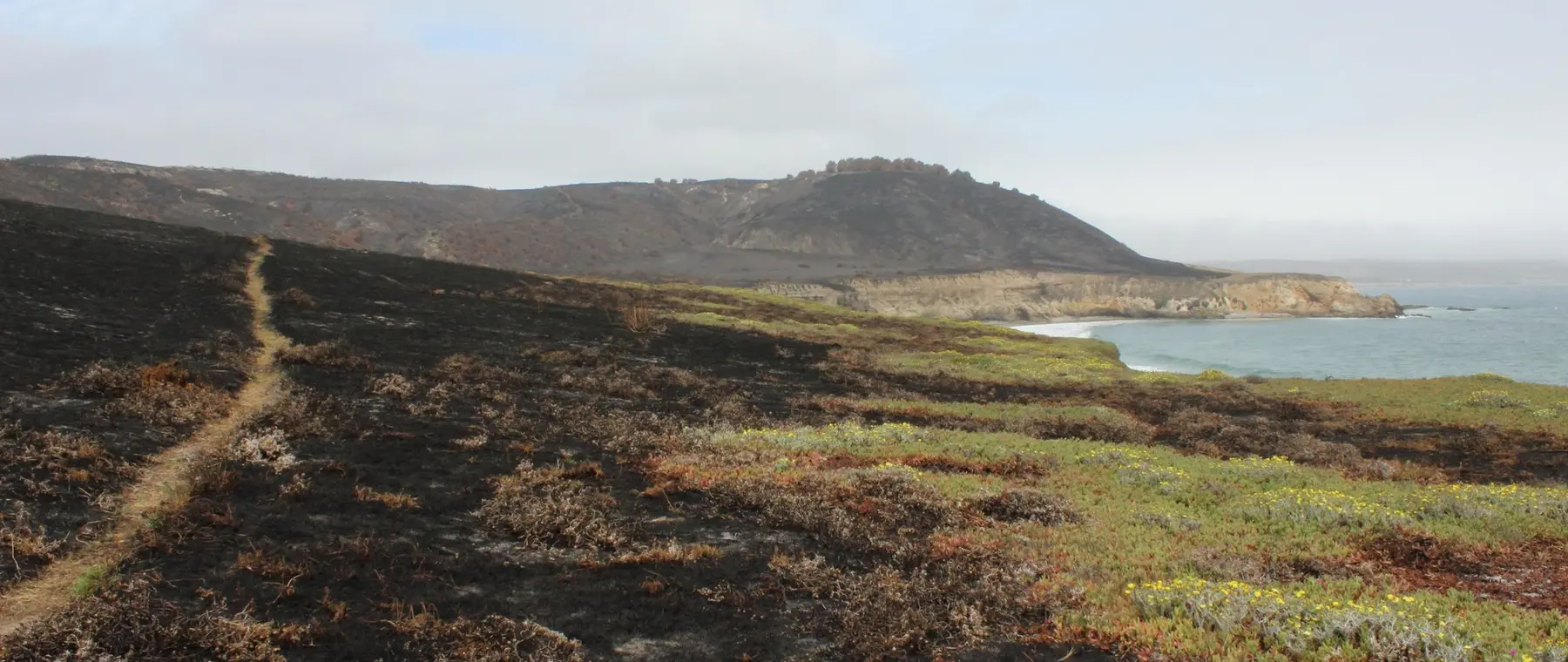
Overnight access returns, but not to the whole island
Channel Islands National Park has resumed overnight access to selected parts of Santa Rosa Island following the major wildfire that affected the island earlier this year. The National Park Service reopened Water Canyon Campground and authorised backcountry camping areas in the northwest and southwest quadrants on 14 October 2026, after assessing conditions and undertaking initial recovery work. For boat operators and visitors planning autumn trips, the important news is a partial reopening rather than a return to unrestricted access.
The fire burned 18,379 acres between 15 May and 4 June, damaging habitats, infrastructure and parts of a landscape that remains unusually exposed to marine weather. Park officials are continuing to assess hazards and stabilise affected areas. The southeast quadrant remains closed to backcountry camping for the rest of the 2026 recreation season, while the burned area itself is closed to visitors.
The restrictions apply to more than places where camping is prohibited. The park warns that shorelines adjacent to the closed burned area, including areas around Johnsons Lee, Ford Point and Southeast Anchorage, remain off limits. Visiting boaters therefore need to check the current shoreline closure map before selecting a landing or anchorage, instead of assuming that an attractive stretch of coast is accessible because the island has reopened to some users.
Water Canyon and the practical ferry journey
Water Canyon Campground is about a mile and a half from the Bechers Bay pier, an important consideration when visitors must carry all their belongings on foot. The primitive campground provides basic facilities, including potable water, toilets, food-storage boxes, picnic tables and some wind shelters, but camping remains a self-sufficient activity rather than a serviced resort stay. Each group must arrange equipment and supplies suitable for the terrain and the expected conditions.
Park guidance directs visitors without their own vessel to Island Packers, which offers seasonal transport to Santa Rosa Island. The crossing can take around three hours, and strong winds and rough seas are possible. A reservation for a campsite is therefore only half the travel arrangement: visitors should confirm that a suitable outward and return boat service is available before booking the night ashore.
Advance reservations are required for both Water Canyon Campground and authorised backcountry camping, with the booking system operated through Recreation.gov. The Park Service has stated that reservations for dates beginning 14 October remained valid when the reopening was announced. Anyone booking more recently should review the latest conditions and reservation rules, rather than assuming that the original announcement covers all subsequent changes.
Which day routes remain possible
Day visits to Santa Rosa resumed earlier, on 1 July, and remain possible in areas that park staff have opened. Popular options include parts of Cherry Canyon Trail and the Coastal Trail, as well as spending time near Water Canyon beach or exploring the island's ranching history. The park cautions, however, that a typical Island Packers passenger may have only three to four hours ashore, making longer walks unrealistic for many day visitors.
Not every familiar trail is open. Torrey Pines Trail and Water Canyon upstream from the beach are closed, as are routes into the southeast quadrant. Travellers should confirm the status of any path or road against current park notices before departing, because an outdated map or earlier trip description may show a route that is now unavailable.
The reopening creates opportunities to see the island responsibly without placing pressure on the areas most affected by the fire. Keeping to approved tracks also protects visitors from damaged fences, unstable surfaces and post-fire debris. The Park Service specifically warns about ash, burned materials and hazards associated with recovery operations, making closed-area signs a practical safety measure rather than an optional conservation request.
Why wildlife protection remains essential
Recovery work is continuing across the fire footprint. Some native plants may regenerate naturally, but fragile ecosystems and rare vegetation require additional protection, especially ahead of seasonal rain and wind. The National Park Service has reported severe damage to portions of the island's rare Torrey pine population, adding ecological urgency to the effort to limit disturbance and stabilise affected ground.
Visitors can contribute to that recovery by cleaning boots and equipment before arriving, reducing the risk of introducing invasive species into disturbed areas. The park also asks people to give wildlife extra space and avoid entering burn zones while field crews work. Conditions on the island can change after storms, so a route or campsite available during one week may need renewed assessment the next.
Santa Rosa remains a demanding destination in any season. The combination of a long marine crossing, limited services and strong winds means that even fully open areas are not equivalent to a convenient mainland campground. Boaters should consult local weather and charts, while all visitors should carry appropriate clothing and enough supplies for delays.
Check the latest notices before departure
For visitors planning a journey at the end of October, the sensible approach is to begin with the Park Service's dedicated Santa Rosa Island Fire Recovery page. It identifies current restrictions and provides a framework for choosing permitted trails, camping areas and shoreline access. The original 22 September reopening announcement is useful background, but it should not replace an up-to-date check for new closures.
The island's recovery offers a reminder that reopening is a process rather than a single event. Access to Water Canyon and selected backcountry beaches is a meaningful step, but restrictions remain extensive and some areas will not be available for camping again during 2026. Respecting those boundaries allows visitors to enjoy the accessible parts of Santa Rosa while leaving damaged habitats and restoration crews the time and space they require.