
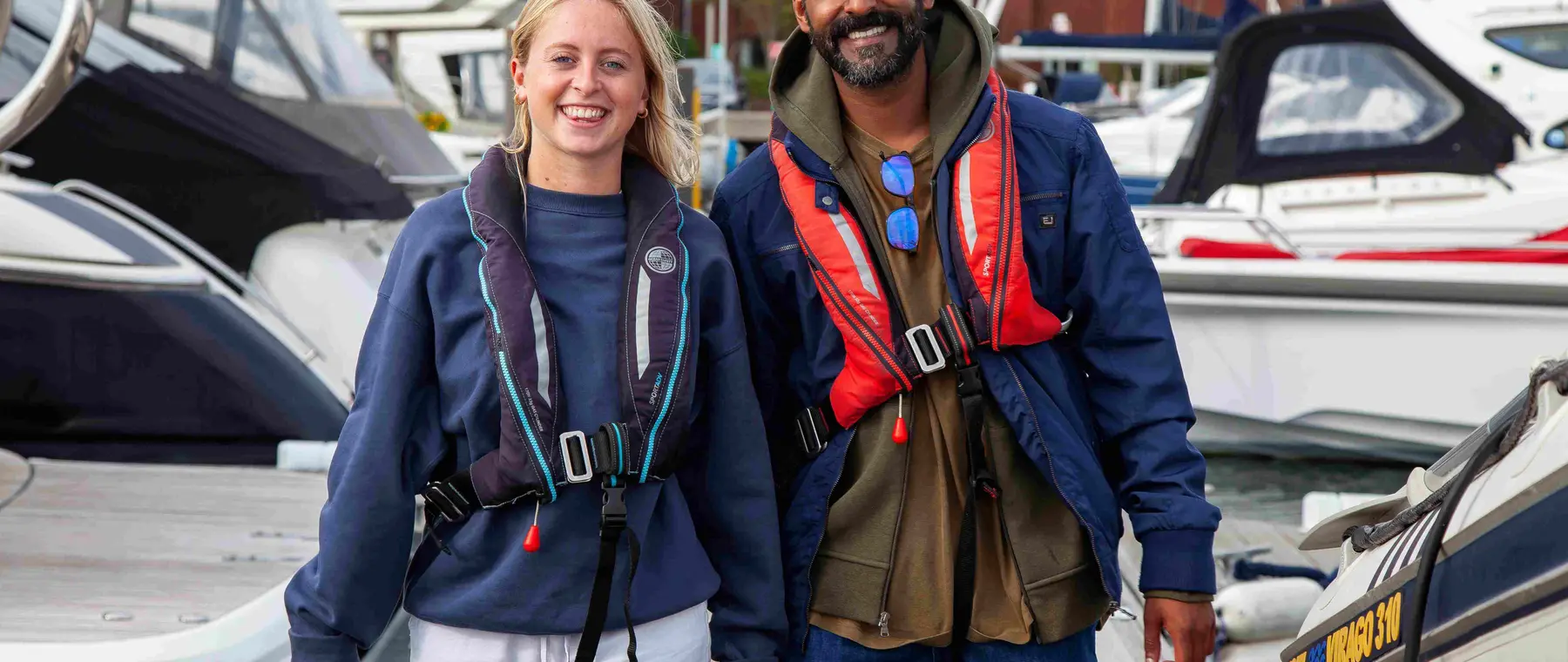
The Royal Yachting Association and British Sailing have refreshed the Together on Water strategy with a ten-year plan to expand participation in sailing, boating and other water-based activities. The headline ambition is to double active participation while making access broader across different communities and backgrounds.
The strategy also sets a goal of helping 10 million people develop a meaningful connection with blue spaces. For leisure boating, that matters because long-term participation depends on clubs, training, access points and welcoming routes into the sport as much as on the boats themselves.
Four priorities shape the next decade
The RYA has organised the strategy around four priorities: More People, More Often; More Backgrounds; Better Blue Spaces; and Brilliant Basics. Together they cover participation, inclusion, environmental access and the organisational support needed to keep clubs and training networks functioning.
The organisation says its refreshed direction is informed by feedback from the Reflections on Water Survey and the National Watersports Participation Survey. Those findings point to community, accessibility and positive first experiences as important factors in keeping people involved over time.
Clubs and training centres remain central
The RYA says delivery will continue through clubs, training centres, volunteers, partners and local communities. That makes the strategy relevant to dinghy sailors, small-boat owners and new entrants who often rely on local organisations for skills, equipment and safe access to the water.
Areas of work include volunteering, leadership, careers and programmes intended to reach groups that have been under-represented in boating. The practical effect will depend on how those programmes are funded and delivered locally, but the national direction is now clearly defined.
Access and blue-space protection are linked
The Better Blue Spaces strand ties participation growth to protection of the waters people use. The RYA argues that people who feel connected to blue spaces are more likely to care for them, linking environmental stewardship with the long-term health of recreational boating.
For LBG readers, the most significant point is the scale of the participation target rather than a single new programme. If the strategy succeeds, it could enlarge the future base of sailors and boaters while increasing demand for training, club facilities, launch access and affordable small craft.