
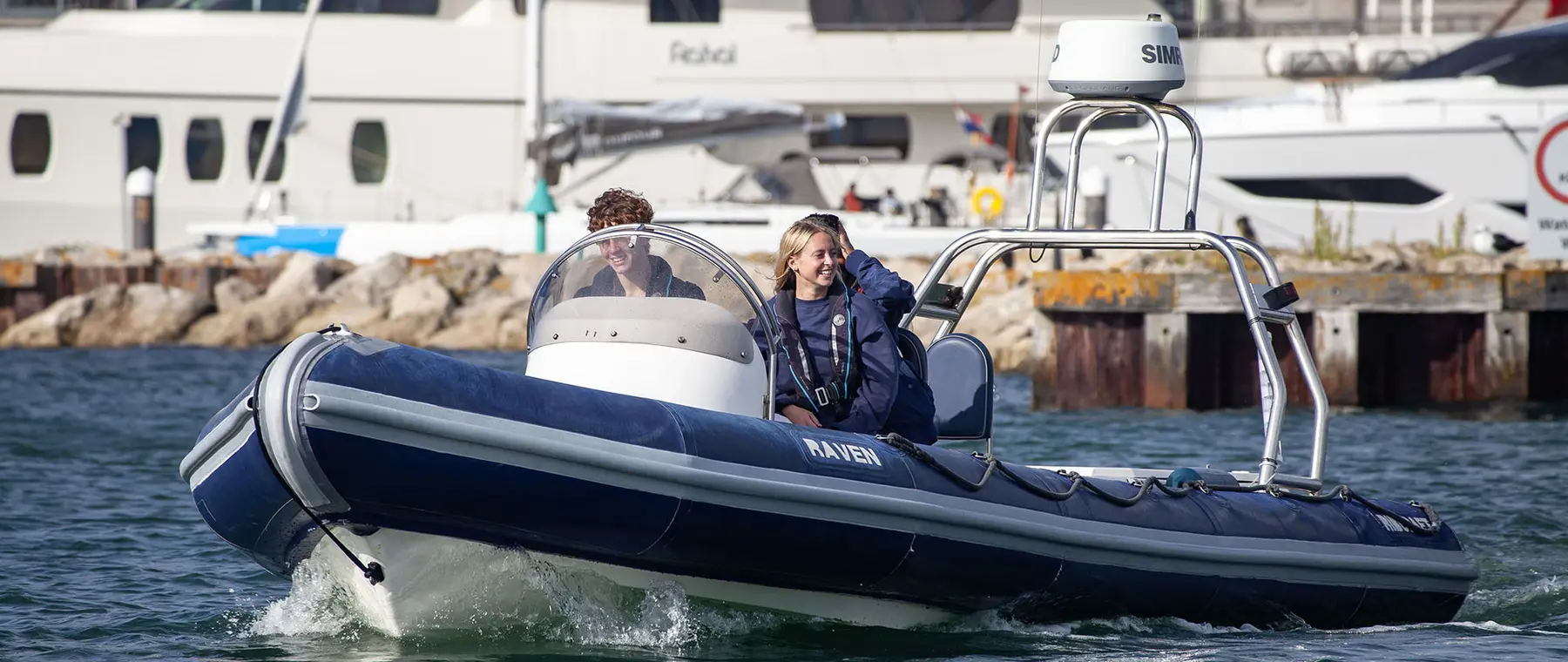
A handbook built around the whole day afloat
The RYA says the new handbook begins before the engine starts, covering decisions such as where to go, weather and tide checks, clothing, boat preparation and route planning. It then connects those choices with launching, manoeuvring, navigation and the return to shore instead of presenting each skill as an isolated exercise.
That approach mirrors the way leisure boaters actually use small powerboats because a safe trip depends on a chain of decisions rather than one impressive piece of boat handling. A skipper who can berth neatly but ignores weather, fuel or tidal constraints can still create unnecessary risk.
Scenario-based learning links skills to decisions
The book uses practical scenarios so readers can see why a technique is used and how several skills combine during normal boating. The RYA's stated aim is to help users understand not only what to do but how preparation, navigation and handling fit together as conditions and tasks change through a trip.
Scenario-based material can be especially useful for less experienced owners because it places rules and techniques into context. It does not replace supervised training or time at the helm, but it can help boaters prepare questions and recognise situations where slowing down, changing a plan or seeking assistance is the sensible decision.
Good preparation reduces workload once underway
Checking weather, tides, route, safety equipment and the boat before departure gives the crew more time to concentrate on traffic and conditions once moving. On small craft, where space and crew numbers are limited, missed preparation tasks can become harder to correct after leaving a slipway or launch ramp.
Owners can apply the same logic regardless of whether they are following an RYA course. A simple departure routine covering fuel, engine checks, communications, lifejackets, weather, charts and a basic passage plan helps make routine boating more repeatable and reduces reliance on memory.
Training remains more important than owning the book
A handbook is a reference rather than a substitute for practical instruction, particularly for close-quarters manoeuvring, high-speed handling and emergency procedures. Boat response changes with hull type, loading, propulsion and windage, so skills need to be practised on the water rather than only read about.
For Leisure Boat Guide readers, the new edition is useful because it treats powerboating as a complete ownership activity rather than just driving. The strongest benefit will come when owners use the book to reinforce formal training and then adapt its planning principles to the particular boat, crew and waters they use.
Official sources: www.rya.org.uk.