
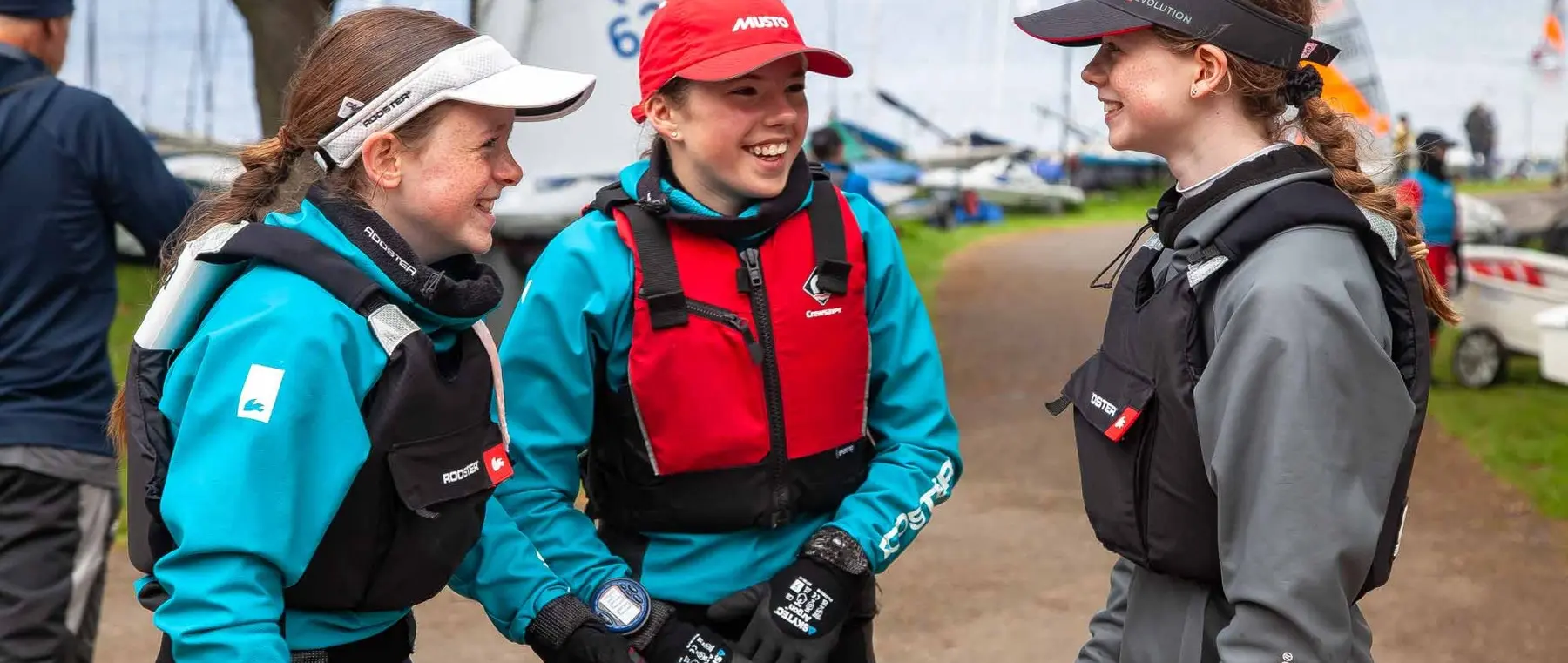
A national stage for junior club racing
The Royal Yachting Association's Junior Club Championships programme scheduled its first Grand Final for 19–20 September 2026 at Northampton Sailing Club. The initiative was designed to bring together promising young sailors from clubs around the UK through regional and home-country qualifying events. In July, the RYA reminded clubs to submit their results before the final invitation list was prepared.
The event is noteworthy because it seeks to connect ordinary club racing with a shared national occasion. Young sailors can gain experience away from their home waters without needing to enter an entirely separate high-performance development system. The structure places teamwork and participation alongside competition.
A place for twenty six-person teams
The proposed final field comprises twenty club teams, with two qualifying from each RYA region and home country. Every club team includes six sailors under sixteen, with at least two boys and two girls. The racing format uses two single-handed Toppers and two double-handed RS Fevas, familiar classes that many young sailors encounter through club training.
Selection was based on results submitted through the RYA portal and analysed using the Portsmouth Yardstick system. The approach tries to compare performances from different local settings, although sailing conditions and fleets vary from venue to venue. Clubs were asked to check that their final scores reached organisers before the published July deadline.
From a disrupted pilot to a national event
The programme had encountered postponements: an autumn 2025 pilot was cancelled because of Storm Amy, and a proposed early-summer return faced a crowded racing and examination calendar. The September date therefore carried particular significance for organisers hoping to establish a dependable event that clubs could plan around each year.
That history demonstrates why sailing schedules need flexibility. Weather can defeat even careful preparation, particularly where participants are young and travel from long distances. Clear communications about postponement and travel arrangements are as important as the racing format itself.
A stepping stone for families and clubs
For parents, junior racing can bring costs and logistical commitments as well as considerable personal development for children. A club-based pathway may help keep the activity connected to familiar instructors and friends while offering a taste of racing at a wider level. Good preparation includes checking buoyancy aids, boat condition and the ability of young sailors to manage unfamiliar water.
The RYA's July article established the planned event and qualification system; it should not be treated as a published final result. The lasting development is a model for recognising club-level activity and giving young sailors a reason to build skills together throughout the season. Experienced club volunteers can play an important role in preparing boats and providing reassurance, particularly for young teams travelling to a larger event for the first time.