
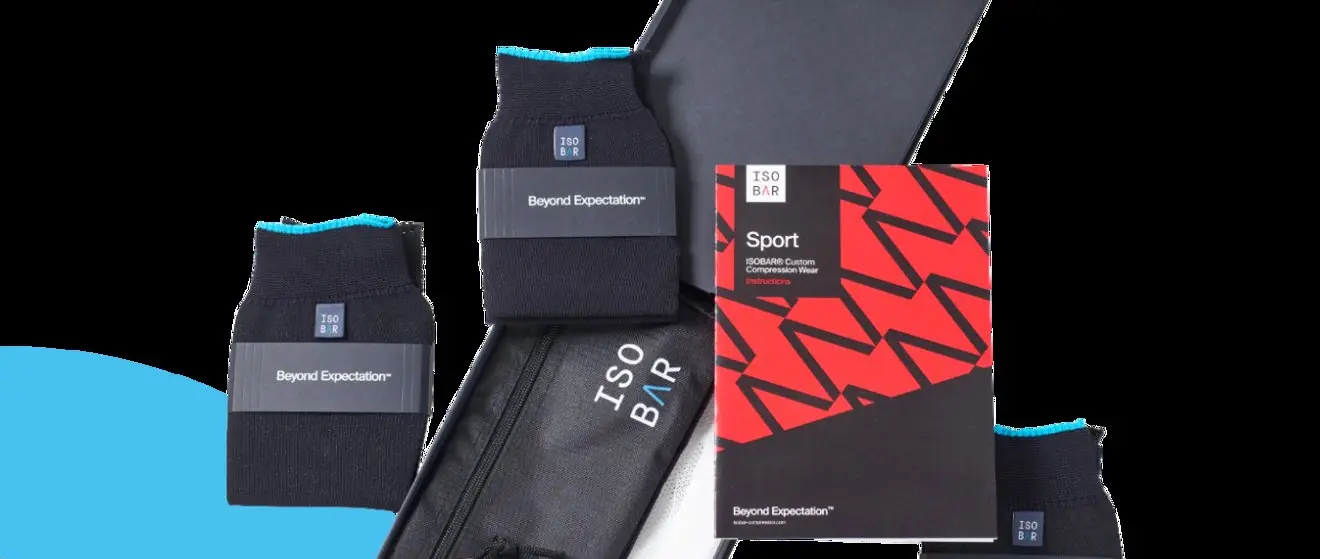
The Royal Yachting Association has highlighted a partnership with ISOBAR, a specialist in compression garments, in a November 2026 feature aimed at sailors who spend long periods training, racing and travelling. Published as Sail Further, Recover Better, the article describes the company's ISOBAR product range and the way its fitting process is designed to provide personalised compression wear. The initiative is a partner-led equipment announcement rather than independent clinical research, and claims about recovery should be interpreted accordingly. For Leisure Boat Guide readers, the news is relevant to dinghy sailors, instructors and other under-twelve-metre boating participants whose sport can involve sustained physical effort, repetitive movements and demanding schedules. The key practical question is how a marketed recovery product fits into sensible preparation, rest and injury prevention.
Sailing can be physically demanding
Small-boat sailing is sometimes described as a relaxed pastime, but the demands vary widely between a gentle outing and competitive racing. Dinghy sailors may spend long periods balancing the boat, trimming sails and adjusting their body position in response to gusts. Foiling classes and high-performance craft can require particularly active movement and concentration. Travel to events adds another layer through loading equipment, driving and irregular rest. These demands make recovery and personal comfort legitimate areas of interest. However, a product designed for sport should not be presented as a replacement for training, suitable fitness or timely medical care.
An RYA partnership introduces a product supplier
The RYA's November feature presents ISOBAR in the context of British Sailing and the wider boating community. The manufacturer describes specialised compression wear and a personalised approach to fit. Such partnerships can give athletes and recreational participants access to information about equipment they might not otherwise encounter. They also have a commercial dimension, which should remain clear to readers. An article published by a sporting body in connection with a partner is not necessarily a neutral comparison with all competing products. The relevant news is the relationship and product proposition, while performance claims require evidence separate from promotional material.
What compression garments are intended to do
Compression garments apply pressure to parts of the body through specially designed fabric and construction. Some athletes use them during travel, after training or as part of a broader routine. The effect varies according to product, pressure, fit, person and activity. A garment's commercial description may refer to recovery or circulation, but this does not establish that every wearer will experience measurable physiological benefits. Consumers should distinguish intended uses from independently demonstrated outcomes and consider relevant medical advice where appropriate. The RYA feature provides information about a particular brand's products rather than a controlled comparison of recovery methods.
ISOBAR emphasises individual fit
The company's approach includes a measurement process intended to match the wearer with an appropriate garment. This is a meaningful design consideration because clothing that is too loose may not apply the intended pressure, while an overly tight product can be uncomfortable or unsuitable. The RYA describes a custom-fitting concept, but the announcement does not publish independent statistics showing how often its approach outperforms standard sizes. Buyers should ask how measurements are taken, whether adjustments are available and what happens if an item does not fit. A convincing product should make its sizing process understandable rather than relying on technical terminology alone.
Video-based measurement is part of the system
The article refers to ISOBAR's ISOFIT technology, which uses a video-based method to capture leg measurements. Such a process may be convenient for people who travel frequently or cannot visit a specialist fitting centre. Yet the precision of a measurement system depends on its implementation and the conditions in which it is used. The RYA's partner article does not supply a full validation study for the device. Customers should follow the company's instructions carefully and check how personal information is handled if video or body measurements are collected. Data privacy is a legitimate part of evaluating connected or digitally supported clothing services.
NeoMesh is presented as a fabric innovation
ISOBAR's equipment range features NeoMesh, a material promoted for comfort and breathability. Sailors may appreciate clothing that feels suitable during movement or travel, but a fabric name does not establish a guaranteed performance level in every climate. The same garment can feel different depending on temperature, humidity and the clothes worn over it. An owner should investigate washing instructions, durability and how the material responds to repeated use. The RYA release introduces the technology without providing independent laboratory data about every claimed property. It is sensible to treat the material description as a manufacturer's account while assessing suitability through practical information.
Pressure settings require clarity
The partner feature describes options involving different compression settings. A product offering more than one level may provide flexibility, but users need to understand when each is intended to be used and whether it is appropriate for them. Higher pressure is not automatically better. People with circulatory conditions, skin sensitivities or other health concerns should obtain professional guidance before using a garment that applies sustained compression. The original announcement does not give a universal prescription for every sailor. A responsible review should not invent one. The most useful question for the supplier is how the pressure system is selected and checked for individual comfort.
Martin Wrigley adds an athlete perspective
The RYA article includes a perspective from British sailor Martin Wrigley, placing the equipment within the routine of high-level training and competition. A testimonial can show how an individual chooses to use a product, but it does not substitute for a controlled assessment of physiological outcomes. Athletes often combine multiple recovery practices, making it difficult to attribute a feeling of readiness to one garment alone. Readers can value an athlete's practical account without assuming identical results will follow for every recreational sailor. Differences in age, training volume and health may all affect the experience.
Travel between events creates its own challenges
Sailors often move boats, spars, sails and personal equipment over considerable distances. Long drives and flights may add fatigue before an event begins. Comfortable clothing can be one element of a travel routine, although the most important measures may still include appropriate movement, hydration and rest. Compression wear should not be presented as preventing travel-related medical problems unless there is specific clinical advice relevant to the individual. The partnership's emphasis on sailing travel is understandable, but careful planning and recovery time remain fundamental. A product can be a personal preference without being a complete solution to a demanding schedule.
Boat work can affect shoulders and legs
Dinghy sailing often involves active trimming, hiking or balancing, with different stresses according to class and conditions. Handling a boat ashore also requires lifting, pulling and awkward movements that may be physically demanding. Good technique, suitable equipment and teamwork can help reduce avoidable strain. A garment marketed for recovery does not correct unsafe lifting or compensate for overtraining. The RYA partner announcement is relevant because it opens a conversation about the physical aspects of small-boat activity, but should not obscure the basic importance of sensible work practices and appropriate training.
Recovery begins before the final race
A sailor's readiness for the next session depends on factors including sleep, nutrition, training load and general health. Equipment may be incorporated into an individual routine, but there is no single garment that can guarantee complete recovery. Recreational participants should be cautious about copying practices from professional athletes without understanding why they are used. The demands of a weekend dinghy race may differ from those of an international regatta. Making time for rest and recognising signs of injury are relevant at every level. The product announcement should be considered as one optional piece of equipment within that broader context.
Competitive and casual sailors have different needs
High-performance sailors may use specialised clothing regularly, while someone sailing occasionally may have little reason to invest in the same products. The right decision depends on comfort, frequency of use, budget and any relevant advice from qualified professionals. A branded partnership can make equipment visible, but it does not mean the item is necessary for participation in the sport. Beginners are often better served by prioritising suitable personal flotation devices, appropriate clothing for water conditions, basic training and safe boat maintenance. Recovery products should come after essential safety needs have been addressed.
Claims about circulation need suitable evidence
Compression technology is used in different contexts, including medicine and sport, but results from one application cannot automatically be transferred to every consumer product. Claims about improved circulation, reduced muscle soreness or faster recovery vary in scientific support and depend on specific conditions. The RYA partner feature is a promotional source and should be attributed as such. It is not sufficient to establish a clinical benefit for all sailors. Anyone with symptoms such as persistent pain, swelling or circulation problems should seek appropriate medical advice instead of relying on a garment as treatment.
Fit and comfort can vary over time
An item that feels comfortable during a fitting may behave differently during a journey, after repeated washing or when the wearer changes weight. Customers should understand the supplier's care instructions and returns policy, particularly when a product is personalised. Tight garments can be difficult to put on or remove, which may matter for people with restricted mobility. The partner announcement does not answer every practical question, so purchasers should contact the manufacturer before committing. Equipment used around boats should also be evaluated for its interaction with other clothing and the tasks being performed. A comfortable fit on land does not make the garment suitable for every boating situation.
The discount has a defined end date
The RYA feature advertises a twenty-percent promotional discount for eligible purchases until 18 December 2026. That deadline is important for readers who may be considering the product. The terms of a promotion can vary by membership status, model and availability, so the announcement should not be interpreted as a blanket guarantee of savings on every item. Buyers should verify the current price and conditions directly. A limited-time offer may attract attention, but it should not determine whether the product is appropriate for someone's needs. A careful purchase begins with suitability rather than urgency.
The role of clubs and instructors
Sailing clubs can help participants learn practical habits that support safer and more enjoyable activity, including preparation, weather assessment and sensible boat handling. Coaches may discuss training loads and fatigue, but medical questions should be referred to qualified professionals. A club partnership with an equipment brand can provide useful information if it is clearly identified as commercial and does not replace independent advice. The RYA's feature offers an example of how specialised suppliers become part of the sailing community's conversation. Readers should retain the freedom to compare options or decide that no product is needed.
Small-boat safety has more immediate priorities
For someone preparing to sail a dinghy or small keelboat, the first checks involve weather, hull and rig condition, buoyancy or life-jacket equipment, communications and suitable clothing. Compression wear does not replace any of those essentials. A sailor who is fatigued should also consider whether going afloat is sensible, rather than assuming a recovery product has made them fit to sail. The physical demands of boating need respect, particularly in cold water or strong wind. This distinction is vital when discussing a product marketed through a sporting association: optional recovery clothing belongs within an overall approach to safety and preparedness.
A product should be judged through information
A buyer interested in ISOBAR can ask about the garments' intended duration of use, the measurement process, cleaning instructions, returns and evidence supporting particular claims. They may also seek independent reviews and compare cost against alternatives. The RYA article provides a route to learn about the brand, but it is not an independent product trial. Leisure Boat Guide has not conducted its own physiological testing of the compression system. The responsible editorial approach is to report the partnership and the company's stated features without implying that a branded garment will produce guaranteed performance improvements.
Why this belongs in a boating publication
Leisure boating includes people who sail for relaxation as well as participants who train and race frequently. For the latter group, equipment used before and after time afloat may be part of their routine. The RYA and ISOBAR feature is therefore relevant to small-boat participation, even though the product is worn on land rather than attached to a vessel. The story also highlights the importance of distinguishing practical consumer information from medical claims. Boaters should make decisions based on their own needs and reliable evidence, rather than treating a partnership announcement as a safety certification.
What the RYA reported in November
The RYA's November 2026 Sail Further, Recover Better feature describes its connection with ISOBAR, the ISOFIT measurement approach, NeoMesh materials and compression garments intended for sport and travel. It includes an athlete perspective and a time-limited discount ending on 18 December. The piece does not establish a universal clinical benefit or make recovery wear essential for dinghy sailors. For Leisure Boat Guide readers, the useful message is that optional equipment deserves careful consideration alongside more important habits such as appropriate training, rest and safe operation. The partnership is a new source of information, not a substitute for personal judgement or professional health advice.
Official source: Royal Yachting Association, original 19 November 2026 partner feature, *Sail further, recover better*. Photo: RYA / ISOBAR official image from the article, used solely for attributed editorial coverage of the partnership. Independent equipment, safety and evidence context by Leisure Boat Guide.