
A mobile route into the boat marketplace
Online boat marketplace Rightboat is promoting its iPhone application as a way for prospective owners to browse listings, build shortlists and contact sellers from a mobile device. The public launch was reported on 30 October 2026, while the official Apple listing shows an earlier initial app-version date, so it would be inaccurate to claim the software first appeared in the App Store on the day of the press coverage. The practical story is about the capabilities now being promoted: filters, detailed boat listings, favourites, saved searches and notifications. For the small-boat buyer, an app can make comparison easier between visits to a dealer or marina. It cannot remove the need to inspect a vessel and verify what the listing says.
What is available according to the App Store
The Apple listing identifies the product as Rightboat, subtitled Boats and Yachts for Sale. It describes browsing powerboats, sailing craft and other vessels from sellers and brokers worldwide. Users can filter listings by make, model, location, price and length, view photographs and specifications, save favourites and contact sellers. The listing also names preferred currency and length-unit settings, which can be useful when comparing a boat advertised in feet with another described in metres. These are the functions the developer says the application offers, not results of an independent usability test. Screens and services can change between versions, so the live listing remains the best place to confirm what is currently supported.
Saved searches are potentially the most useful feature
A buyer searching for a specific type of boat may spend weeks comparing candidates. The ability to save criteria and receive an alert when a matching listing appears could reduce repetitive browsing. It also creates a risk of acting quickly on an attractive advert without checking the important details. A saved search works best when it includes a realistic size, price, location and intended use. Broad criteria can produce noise; overly narrow criteria may miss suitable alternatives. An alert is a notification of a listing, not an assurance that the craft is available or accurately described. The serious work of evaluation begins after a promising result appears, with documents, surveys and personal inspection.
Small-boat buyers need more than the headline price
A six-metre fishing boat, small sailing cruiser and family bowrider can have very different ownership costs even at similar asking prices. A useful listing should make the engine and hull details clear, but it may not capture trailer condition, annual berthing, storage or immediate maintenance needs. Buyers should build those costs into their shortlist rather than compare price alone. A mobile app is convenient for gathering candidates, not for establishing the total commitment. In some cases the apparently more expensive boat may be better maintained or better equipped for its intended waters. Those judgements require verified evidence and, where appropriate, qualified marine or mechanical assessment.
Pictures are a starting point, not an inspection
High-quality photographs help buyers identify layout, deck space and equipment, but they can also hide wear that matters. An attractive helm image does not prove electronics work; a clean engine cover does not document service history. When using Rightboat or any other marketplace, ask for current detailed pictures and records that identify the exact vessel. Compare the advertised hull identification and registration information with documents where applicable. Arrange a lawful inspection and, if the purchase warrants it, an independent survey or mechanical check. Never assume that a seller is verified simply because an advert appears on a major platform. The application provides a channel to communicate; due diligence remains with the parties to the transaction.
The iPhone requirement and current compatibility
The official App Store page currently describes the software as designed for iPhone and lists an iOS 16.0 minimum. That is a concrete limitation for readers who use Android handsets or older Apple devices. The mobile marketplace website may remain an alternative, but the specific app experience should not be assumed to exist on every device. Apple’s listing gives app size, version history and compatibility information, which should be checked before installation. It also provides a route to the developer’s privacy policy. In a fast-moving software environment, these details can change without a press release. A news article should report the verified position while pointing readers to the source for the latest requirements.
Privacy information deserves the same care as listings
A boat search can reveal personal preferences, budget, favourite locations and eventual contact details. The App Store listing includes a privacy summary supplied by Rightboat’s developer, indicating categories of information that may be associated with a user’s identity. Apple notes that developer-reported practices have not been independently verified by Apple. Readers should examine the current privacy policy and choose what they share before creating an account or sending messages. Turning on notifications is a convenience choice, not an obligation. As with any marketplace, avoid sending sensitive identity or banking documents through an unverified request from someone claiming to be a seller. The correct transaction process should be established independently.
From a listing to a conversation
Rightboat describes contact functions intended to connect buyers with brokers, dealers and private sellers. That may shorten the gap between discovery and asking for an appointment. It does not mean the person responding is necessarily the legal owner or authorised representative. A buyer should establish the seller’s identity, whether a brokerage is acting under authority and what documents are available. Ask direct questions about the boat’s use, service history, current location and any known defects. Keep a record of material answers. An app can organise a conversation and shortlist, but its value is strongest when buyers remain methodical. Genuine interest in a craft is no reason to bypass verification.
Understanding the private-seller distinction
Marine Industry News reports that Rightboat’s private-seller listings have particular limits, including a United States scope and a price threshold. That is a reported platform condition and may differ from rules for professional brokers or dealers. Users should confirm the current conditions on the marketplace itself rather than infer that every region accepts private listings on identical terms. A buyer overseas should also check import requirements, tax, transport and the ability to inspect the boat before any commitment. Buying across borders can create additional documentation and payment risks. The availability of an international search filter makes those checks more important, not less. Search reach and transaction eligibility are two separate things.
Marketplace scale is a company claim
In its launch reporting, Rightboat described a large international inventory and significant monthly visitors. Such figures are supplied by the company and may change over time; they do not independently establish how many boats are actually available in a particular length segment on the day you search. The buyer’s meaningful measure is the quality of relevant current listings. A global inventory is of limited use if the suitable boats are inaccessible for inspection or outside the intended budget after transport and tax. The app’s filters should help narrow the field, but owners should still compare information with other reputable sources and avoid treating one marketplace as a complete record of the used-boat market.
Five checks before contacting a seller
A practical mobile-search routine starts by confirming the basic vessel identity and dimensions, including whether a quoted length is overall or hull length. Second, check propulsion, engine hours and the existence of service records. Third, understand where the boat is located and whether its registration or ownership documents are available for review. Fourth, calculate transport, storage, berthing and necessary safety equipment. Fifth, establish whether the layout genuinely supports the intended activity, from fishing and sailing to short family outings. These checks will not replace an inspection, but they reduce the risk of wasting time on a listing that does not meet the buyer’s needs. An app is most useful when it supports that disciplined selection.
The wider move towards mobile-first boat shopping
Boat marketplaces increasingly try to keep the search alive between desktop research, boat shows and marina visits. A mobile app can store favourites and provide notifications, potentially making the journey between browsing and direct inquiry smoother. That is useful for sellers who need relevant enquiries and for buyers who want to compare boats while seeing them in person. It also creates more advertising touchpoints, so users should distinguish paid promotion from independently relevant results where the platform makes those categories available. Rightboat’s launch reflects a change in distribution of listings rather than a new marine vessel. The real test will be whether customers find current, accurate information with manageable effort.
What happens after a shortlist is made
When two or three boats remain, move beyond the screen. Contact the seller to arrange viewings, identify any restrictions on sea trials and ask about survey access. Examine the hull, deck fittings, engine, trailer and installed equipment with appropriate expertise. Verify title and documentation through reliable routes for the relevant jurisdiction. Any deposit should be governed by clear written terms, including inspection and refund conditions where applicable. Fraud prevention deserves particular attention when communicating remotely. The app itself does not confer legal protection, mechanical condition or guarantees beyond those expressly offered by the parties. Treat the convenience of browsing as the beginning of a controlled purchase process.
A useful additional tool, with clear limits
Rightboat’s iPhone application brings saved searches, filters, listings and seller contacts into a single portable interface, with its official Apple page providing a public record of features and version details. For a leisure-boat buyer, that can help organise research on small craft without repeatedly reconstructing the same search. The responsibility to verify the boat, the seller and the total cost remains unchanged. The October news should therefore be read as the introduction of another buying channel, not a substitute for traditional diligence. Good decisions about boats under twelve metres still begin with intended use, credible information and a thorough look at the actual vessel.
Sources and photograph credit
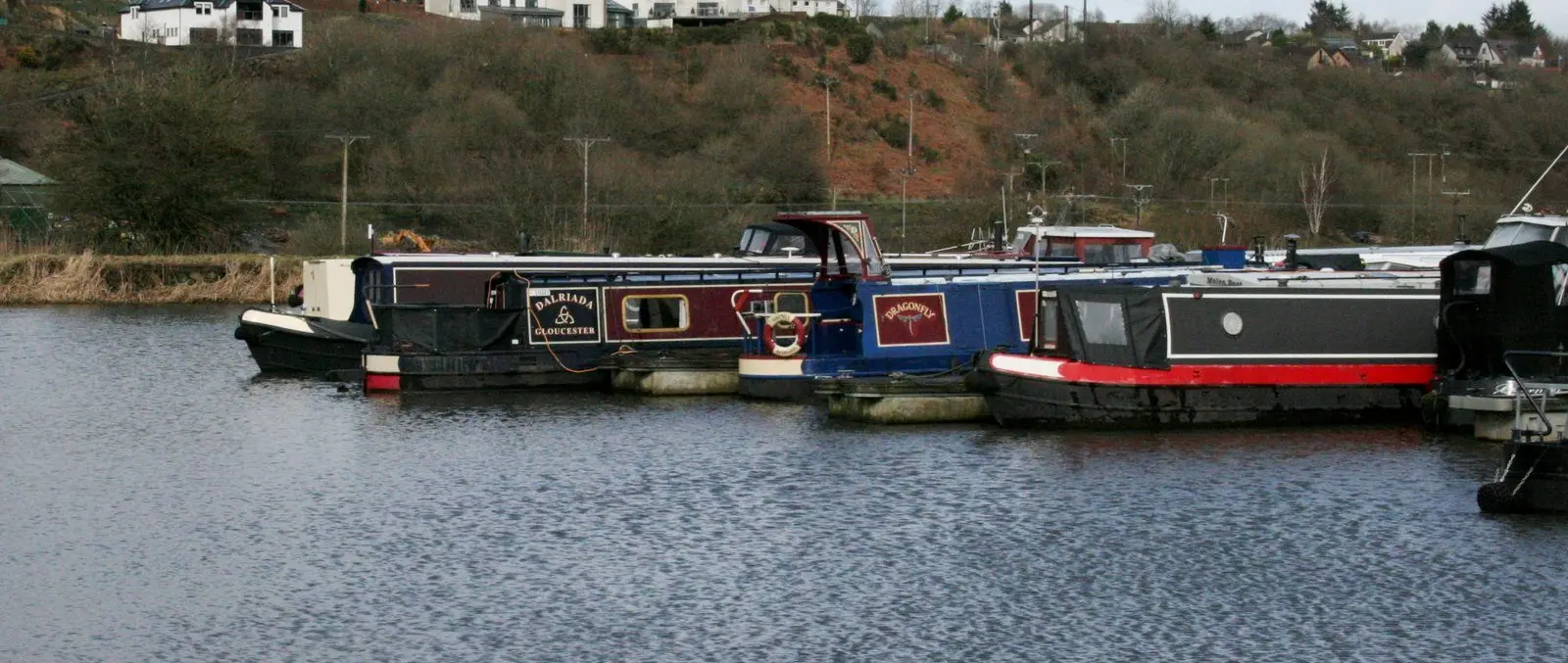
Primary product information: Rightboat App official Apple App Store listing; Rightboat's launch reported by Marine Industry News; Rightboat marketplace. Photograph: Boats at Auchinstarry Marina - geograph.org.uk - 6411576.jpg, Richard Sutcliffe, Wikimedia Commons, licensed under CC BY-SA 2.0. The marina photograph is illustrative of boat shopping and does not show the Rightboat application's actual screen. The Commons image is resized for web use.
