New follow-up reporting from the Royal Yachting Association is showing how the experiences of recreational sailors and boaters are influencing its plans for the coming years. In an update published on 12 November 2026, the RYA revisited findings from its Reflections on Water survey and explained their connection to the organisation's refreshed Together on Water strategy. More than 5,500 people responded to the study, discussing what makes time afloat enjoyable and what prevents them from taking part as often as they would like. The latest announcement matters because it moves beyond celebrating a campaign: it sets out a selection of survey results and how the association is using that information to guide engagement, participation and support for clubs.
A broad picture of boating experiences
The survey was conducted as part of the RYA's 2025 Reflections on Water campaign, capturing views from people involved with sailing, boating and related activities. It covered both the benefits of participation and practical obstacles. The association describes the exercise as its largest open study of this kind. That scale gives the responses value, particularly when recurring themes appear across activities, but does not make every percentage a national population statistic. People who choose to answer an open boating survey may be more engaged in the sport than a random member of the public. Any conclusion about the proportion of all UK adults facing a particular barrier would require a different sampling basis. The proper reading is that these are findings about respondents and the experience they reported.
The appeal of being outside
Among respondents, 97 per cent cited time outdoors or in nature as a motivation for getting afloat. Enjoyment was reported by 95 per cent and freedom or independence by 93 per cent. Those are unusually clear indicators of what people value about recreational water activities. The numbers do not imply that those motivations are exclusive or equally important for everyone; a person can value all three and still prefer very different types of boating. For a family dinghy sailor, time outside may mean a few hours at a nearby reservoir. For someone who cruises inland waterways, the attraction could be slower travel through changing scenery. These different experiences share a connection with access to the water, which is why a programme focused only on competitive results or boat sales would miss part of the audience.
Satisfaction with sailing and boating
The association reports average satisfaction with sailing and boating of 7.98 out of ten. Its summary also links more frequent participation with higher life satisfaction, and notes particularly positive responses among people who combine roles such as participation and volunteering. Those findings deserve careful explanation. An association between regular boating and satisfaction does not, by itself, prove that additional boating causes better mental or physical health. People with more free time, resources or supportive social connections may also find it easier to participate regularly. Nevertheless, the figures reinforce a point that clubs encounter every week: many members value the activity for reasons extending beyond the performance of the boat or the result of a race.
The gap between enthusiasm and opportunity
A striking 58 per cent of respondents said they were less involved than they had hoped to be. The RYA identified time pressures, family commitments, work or study, unsuitable weather and health concerns among the most common explanations. Affordability, access to water and inclusion also appeared in the responses. That combination challenges a simple assumption that people who want to boat will always find a way if they are sufficiently motivated. Someone may have the skills, equipment and enthusiasm but still be unable to attend a fixed club session because of working hours. Another may have no suitable access point or transport. Understanding the difference between interest and practical opportunity is essential to participation planning, especially in small-boat activities where facilities can be very local.
What clubs can learn from the data
A club reviewing its membership may be tempted to focus first on recruiting more people. The study suggests equal attention is warranted for helping existing participants remain active. Flexible sessions, clear information about equipment and opportunities to sail without owning a boat could reduce some practical barriers. The specific solutions will depend on a club's volunteers, operating area and safety requirements. The RYA update does not announce a universal new timetable or tell every club to adopt one membership structure. It provides evidence that limited time and access are common concerns among its respondents. A useful local response begins by asking members what stops them attending and then identifying changes the organisation can actually deliver.
Belonging and the social side of boating
The survey found that 77 per cent of respondents felt a sense of belonging in their club or activity. The RYA also highlights the importance of social connection and the roles people take on in boating communities. Being known by other members can make it easier to find a crew, learn a repair technique or ask a question without embarrassment. At the same time, the study reports that a significant minority take part outside organised clubs and express similar levels of satisfaction. It would be wrong to conclude that everybody must join a formal association to enjoy sailing or boating. The practical lesson is to create welcoming opportunities in both organised and informal settings, and to recognise that people participate for personal as well as social reasons.
A missed invitation to volunteer
One particularly useful finding concerns people who do not currently volunteer. According to the RYA, 32 per cent of non-volunteers said they had simply not been asked. That statistic does not imply that asking every person would immediately fill all volunteer vacancies. It does suggest that clubs may overlook people willing to contribute but uncertain about the roles available or the skills required. Someone who cannot commit to running an event every weekend may still help with a one-off maintenance day, communications task or novice welcome session. Describing responsibilities, expected time commitments and available training could make those first steps easier. The association also notes differing pressures experienced by women who are involved in volunteering, underlining the need for scheduling and inclusion to be discussed honestly.
Decisions informed by the research
The RYA says the survey has informed its refreshed Together on Water strategy, launched in September 2026, and continues to shape its daily work. The wider strategy includes ambitions to grow participation, broaden access, improve blue spaces and strengthen the systems supporting clubs and training. The November publication is therefore a progress explanation about how evidence is being used, not the initial launch of the strategy or a claim that its long-term goals have been delivered. RYA Head of Brand and Insight Ed Harper has emphasised the importance of continuing to listen to boating communities. The interesting question for the industry is how feedback from current participants will translate into programmes that newcomers can find, understand and use.
Why this matters to leisure-boat businesses
Small-boat builders, equipment retailers, marinas and training businesses depend on a healthy participation base. A person who enjoys sailing but cannot find local storage, affordable training or a welcoming group may never become a regular user or eventual customer. The study cannot predict how many new boats will be purchased or quantify future service revenues. It can, however, help businesses think beyond product specifications. Clear first-time-owner advice, realistic operating costs, accessible trials and convenient after-sales services may be as relevant to long-term engagement as advertising. This is an editorial implication drawn from the barriers reported, not a commercial outcome established by the survey. Better participation may support the wider marine economy, but actual changes will need to be measured independently.
Reading survey percentages responsibly
These figures should not be treated as medical evidence, randomised experimental results or proof that participation produces a particular health outcome. They are self-reported answers to an open study of boating experiences. The results also describe circumstances at the time of the research; weather, household finances and available facilities may change. A statistic such as 58 per cent wanting to do more says something important about the respondents without specifying how much extra participation would be possible under a new policy. Likewise, satisfaction scores are meaningful in context but cannot replace careful local consultation. Responsible reporting retains the distinction between what people said, the association's interpretation and recommendations that clubs or businesses may subsequently choose to test.
What happens after this update
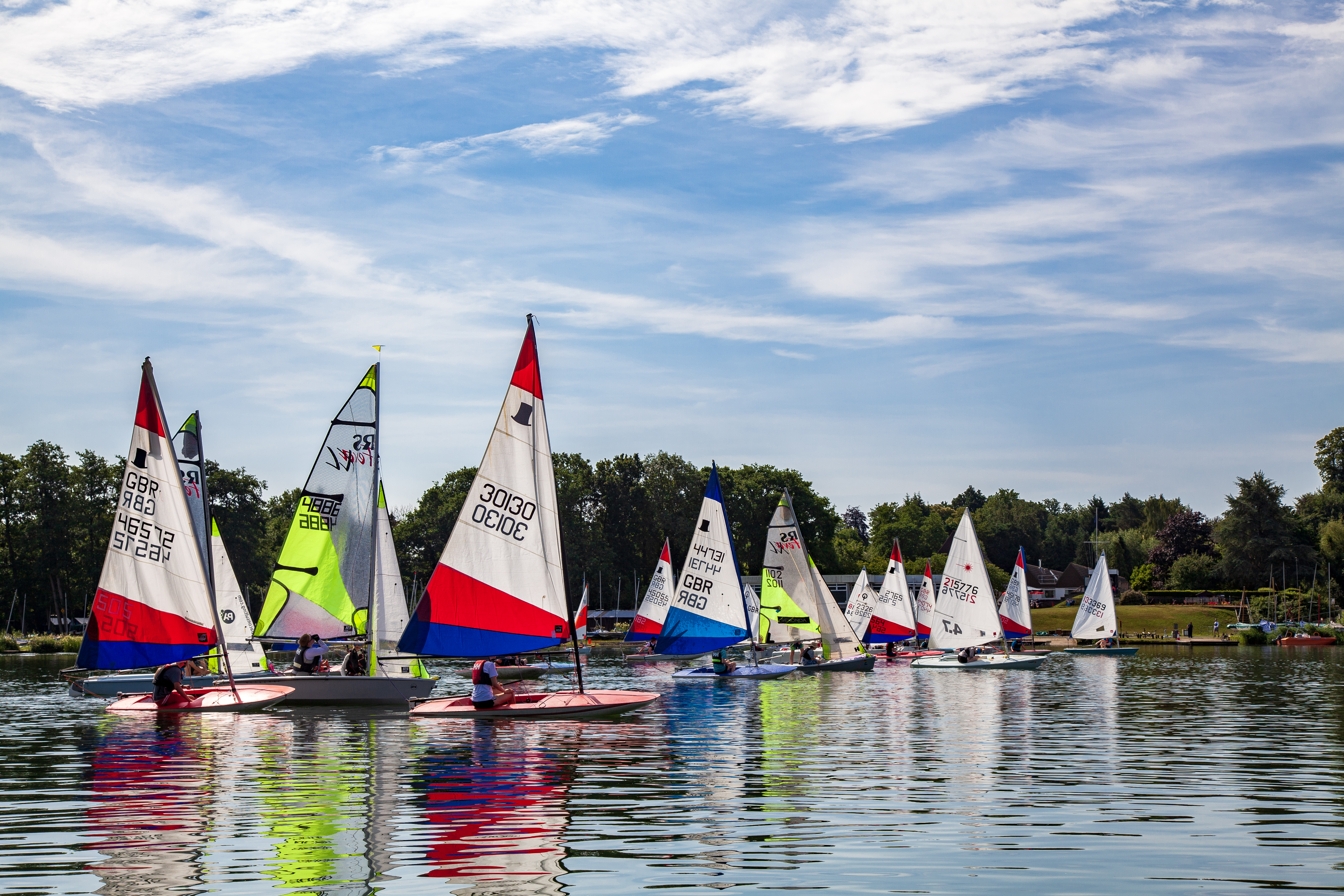
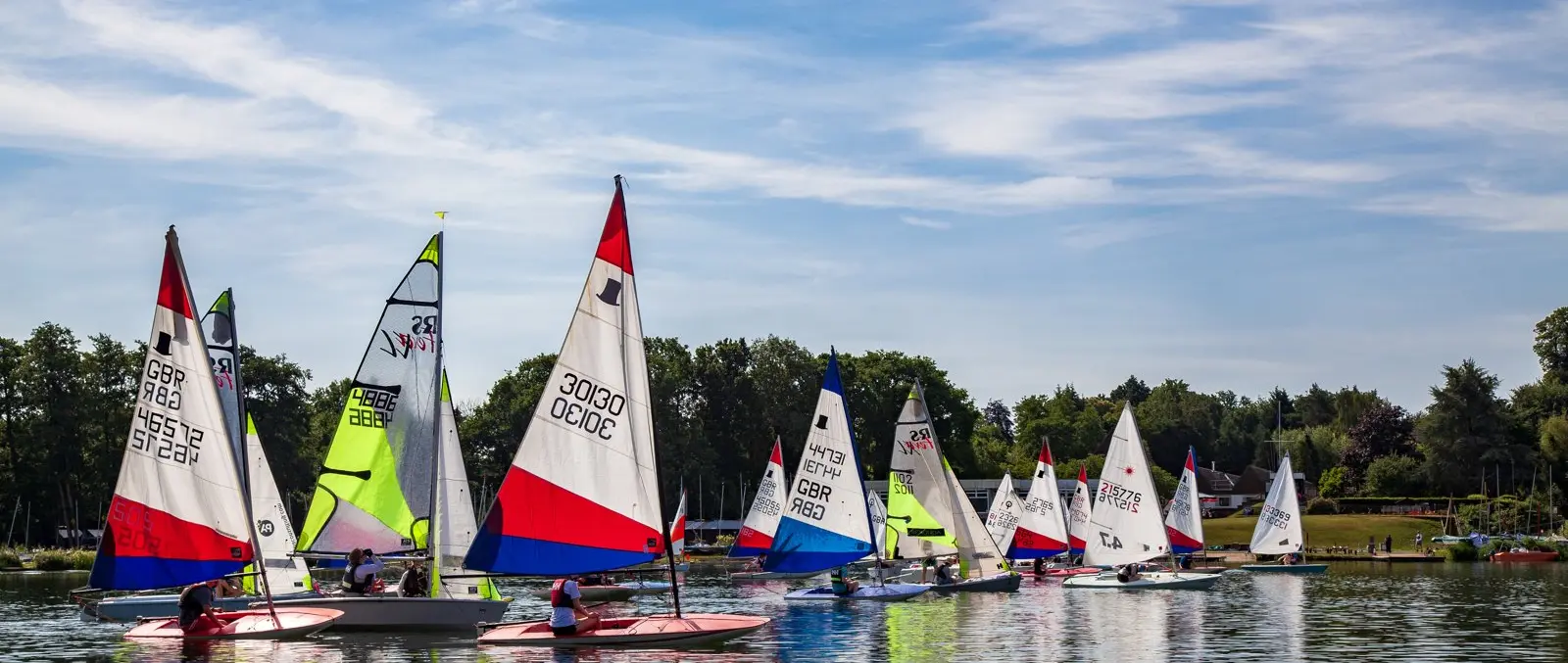
The RYA has said it will continue using the survey findings to inform activity across its network, including connected conferences and support for those involved in boating. Its strategic ambitions are longer term, while the survey offers a snapshot of priorities and obstacles. The next useful evidence will be changes to actual access, repeat participation and volunteer opportunities, reported with clear methods. The official photograph accompanying this article shows real people engaged in a recreational boating setting and is sourced from the RYA's November editorial page; it is not a chart representing the survey's percentages. The immediate news is a more detailed account of what over 5,500 respondents told the association and the way that feedback is now being connected with practical plans for the boating community.
Sources and image attribution
Primary reported announcement: https://www.rya.org.uk/news/reflections-on-water-insights/.
Official photographic provenance: https://www.rya.org.uk/news/reflections-on-water-insights/. Image supplied by the originating organisation, credited in the photograph title; original copyright remains with the rights holder. Official image file. The photographs are documentary or clearly labelled archival illustrations, not evidence of events that have yet to happen.