
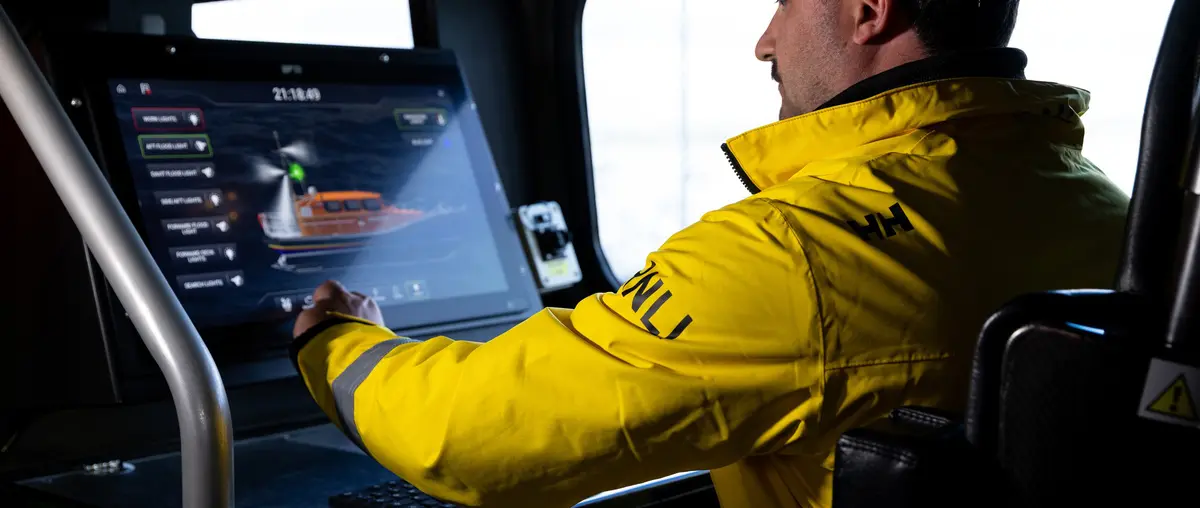
Rescue crews rely on equipment that works in demanding conditions, often at night and in poor visibility. Teledyne Raymarine and Teledyne FLIR Marine have announced a five-year technology partnership with the Royal National Lifeboat Institution.
The arrangement is intended to support navigation and thermal-imaging capability aboard RNLI lifeboats in the UK, Ireland and Channel Islands. It is a fleet partnership, not a consumer product certification.
Seeing and navigating together
A combination of marine electronics and thermal imaging can help crews detect hazards and work through low-visibility conditions. The value depends on integration, training and maintenance rather than the individual display alone.
Rescue vessels have operational needs that differ from a weekend dayboat. Equipment chosen for a professional fleet should not be automatically specified for a smaller private boat.
A relationship beyond one sale
A multi-year partnership can allow technology and support to develop around the lifeboat service's requirements. It concerns the supplier's role over time, not a single branded launch day.
For the leisure-boat community, the RNLI's work also underlines the importance of self-preparation and quick emergency communication. Owners should not regard professional rescue as a substitute for carrying suitable equipment.
Industry news with a safety connection
Raymarine's manufacturer announcement sets out the partnership and the parties involved. Its actual deployment and outcomes should be assessed through future updates.
LBG uses official source imagery and reports the agreement without making unverified claims about rescue performance. Future deployment will be reported separately.