
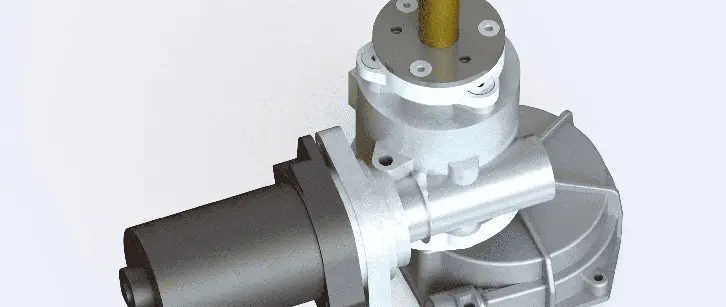
Pretech Marine is promoting an Electric Power Steering system through its METSTRADE 2026 product catalogue, arguing that electric assistance can reduce the effort required at the wheel and make small-boat manoeuvring more comfortable. The product entry, dated 1 September 2026, describes responsive steering at a range of speeds but offers relatively few technical specifications. For leisure boat owners, that difference matters. Steering is a safety-critical system, and an attractive equipment photograph cannot establish suitable engine combinations, loading limits or fail-safe behaviour. The announcement is a useful opportunity to examine where electric assistance fits into the small motorboat market, and which questions should be resolved before an owner orders a retrofit.
What the manufacturer has actually announced
The company identifies the product simply as EPS, or Electric Power Steering, and positions it as an electronically assisted marine steering solution. Its official METSTRADE listing emphasises lower helm effort, reduced operator fatigue and precise control in harbours as well as during faster travel. It does not disclose an approved horsepower range, quantified response time, the exact steering geometry or a full list of compatible engines. These missing details should not be filled in by inference from other Pretech products or competing systems. The manufacturer's announcement establishes the existence and intended purpose of the EPS offering, while its application to an individual boat remains a matter for technical review.
Why steering effort matters on small craft
A skipper on a small open motorboat may make numerous wheel corrections during a short trip, particularly while operating in wind, waves or crowded waterways. Helm effort can also vary with engine trim, propeller load and the steering arrangement already installed. Assistance that reduces the physical force needed to turn the wheel could make repeated manoeuvres less tiring, but the value depends on predictable feedback. A wheel that feels light at a standstill yet becomes surprising at speed would not provide the required confidence. Boaters should look beyond the phrase 'effortless steering' and assess how the control feels through actual docking, cruising and turning operations.
Electronic steering is not a single technology
Marine steering products can place electrical assistance at different points in the system, and the published EPS summary does not establish every component used by Pretech's new arrangement. Some installations may retain mechanical elements; others may use separate control and actuation components. It would be inaccurate to describe the product as completely wire-free, hydraulic-free or steer-by-wire without the manufacturer's confirmed technical drawings. Owners need to understand how the wheel input reaches the engine and what equipment remains responsible for steering movement. That information affects installation, maintenance, fault detection and the ability to operate the vessel if an electrical component stops functioning.
Manoeuvring in a tight harbour
The advertised benefit of easier handling is particularly relevant when a skipper moves repeatedly between forward and reverse, checks for lines and other vessels, and makes small steering changes close to a berth. A responsive system might reduce the work of such movements, but propeller thrust, windage and the vessel's displacement still determine the actual path through the water. No steering system makes a difficult approach safe on its own. A demonstration should test fine control near the centre position, predictable movement through the full wheel range and repeatability when the boat is stationary or barely moving. The driver's view and throttle position matter just as much as the assistance mechanism.
Control at speed needs a separate assessment
Pretech's marketing description also refers to responsive handling at higher speeds. That promise calls for careful interpretation because steering movement that feels appropriate at walking speed may need different treatment when a hull is planing. Quick electronic actuation is valuable only when it is matched to safe helm input and the steering characteristics of the boat. A qualified installer should confirm what limits and protective features apply to the proposed combination of hull and engine. The owner should request any available sea-trial evidence and avoid assuming that equipment tested on one vessel will behave identically on another with a different weight distribution, propeller or steering geometry.
The importance of clearly stated compatibility
Owners often begin a steering upgrade by asking whether it will attach to their existing outboard. That is necessary but not sufficient. The engine's mounting arrangement, steering load, available clearance, electrical distribution and control layout all help determine whether an installation is appropriate. Because the official EPS product entry does not enumerate approved engine models, the buyer should insist on written confirmation from Pretech or its authorised supplier. If the boat has twin engines, an older mechanical helm or a specialist control system, those details should be disclosed at the outset. Generic compatibility language is not a substitute for a parts list specific to the vessel.
Electrical reliability and power protection
An electrically assisted steering arrangement depends on the condition of its power supply and connections. Loose terminals, excessive voltage drop, water ingress or an unsuitable protective device could affect behaviour under load. The precise risk depends on the product's architecture and documented safeguards, which are not described in the short catalogue entry. Before installation, a marine electrician should examine the wiring plan and confirm that power protection and cable routes satisfy the manufacturer's specification and applicable requirements. Owners should also learn what an alarm means and how the boat is to be handled if the system reports a fault. A comfortable helm cannot come at the expense of an unclear emergency procedure.
What happens if the electronics fail?
This is a fundamental question for any new steering system, not a criticism peculiar to Pretech. The operator needs to know whether the product has a mechanical fallback, an emergency control method, redundant supply or a prescribed response to complete electrical failure. Those provisions vary across marine steering technologies and cannot be guessed from the term EPS. Purchasers should ask for the official failure-mode documentation and have the installer demonstrate the approved recovery procedure. If the answer is unclear, the system is not ready to be relied upon in a safety-critical role. Good marine equipment is accompanied by instructions that a skipper can understand before an emergency occurs.
The wheel, seats and controls still determine comfort
Reducing physical steering effort is only one part of helm ergonomics. A poorly positioned wheel, inadequate back support or a throttle that requires a twisted posture can remain tiring even after the steering force is reduced. The best installation considers seat adjustment, standing access, sightlines and handholds together with the wheel. This is especially important on small boats, where a console may serve several operators of different height and reach. Owners should test the driving position with the actual equipment mounted rather than evaluate only a loose display unit or component photograph. The complete station should be comfortable without compromising visibility or access to essential controls.
Installation complexity is a purchasing issue
A steering upgrade can involve mounting brackets, wiring, protective circuits, helm hardware, calibration and sometimes alterations near the outboard or transom. The extent of work cannot be established from the abbreviated EPS listing. A detailed quote should separate component cost from labour, commissioning and any additional equipment needed to integrate with the existing boat. It should also state which original parts will be retained or removed. Owners should be wary of a low apparent price that omits testing, documentation or professional handover. Proper commissioning is part of a steering installation, not an optional afterthought once the equipment appears to work at the dock.
Maintenance, diagnostics and local support
Electronics may change the routine maintenance pattern but will not eliminate the effects of salt, moisture, vibration and seasonal storage. The user should ask for inspection intervals, permitted cleaning methods, fault-code procedures, serviceable parts and warranty support. A dealer's ability to diagnose the system locally may be as important as the initial specification. Questions about replacement sensors, spare actuators and software updates are sensible for a boat that travels away from its home marina. Pretech's general claims of smooth and reliable operation have not been independently tested by Leisure Boat Guide, so the support arrangements and documented service history deserve particular attention.
Comparing EPS with a hydraulic or cable system
Many small motorboats are already equipped with steering systems that meet their owners' needs. An electric conversion should solve a defined problem rather than be assumed superior because it is newer. On some boats, maintenance of the existing cable or hydraulic arrangement may restore acceptable performance for less money. On others, a properly engineered assisted system could improve comfort or help meet a more demanding use pattern. The decision should consider vessel age, intended ownership period, engine configuration and how the boat is actually used. An experienced marine steering specialist can explain both the advantages and the costs of retaining the current arrangement.
The questions METSTRADE cannot answer alone
Exhibitor catalogues are useful places to identify new equipment and speak directly with manufacturers, but they are not substitutes for complete technical specifications. Pretech's EPS entry leaves several points to verify: power draw, approved operating range, steering response under load, compatible engine installations, calibration needs, safety modes and service intervals. Prospective buyers should request a current installation manual and written confirmation of compatibility, and should ask whether sea-trial data are available for a comparable small craft. Any figures supplied later should be attributed to their source and distinguished from independent evidence. Where essential safety or installation details are unavailable, postponing a purchase is reasonable.
An interesting development, with clear limits
The EPS announcement shows another supplier pursuing easier helm operation in the recreational marine market, and its focus on reduced fatigue has obvious appeal for dayboats and smaller outboard craft. What it does not yet provide is enough evidence to recommend the system for a particular boat. That conclusion is not a judgement on the quality of Pretech's engineering; it is the appropriate distinction between marketing information and a finished installation specification. For owners under twelve metres, the sensible next step is to request full product documentation, verify the engine and helm arrangement, and arrange a supervised demonstration before changing a steering system that protects everyone aboard.
Official source: https://www.metstrade.com/zones/superyacht-zone/pretech-marine/products/eps-electric-power-steering-system