
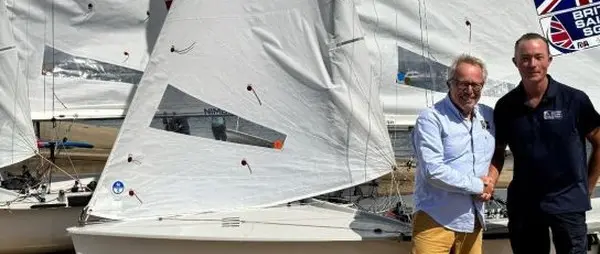
A specialist agreement for Olympic sailing
Pindar has been named Official Logistics Partner of the British Sailing Team, supporting the transportation of boats and equipment as sailors prepare for the Los Angeles 2028 Olympic Games. The marine logistics company will help move resources to training camps, regattas and major championships, where the precise arrival and condition of equipment can influence a team's ability to prepare. British Marine has publicised the agreement in its October industry updates.
This announcement concerns the movement of Olympic-class sailing craft and sporting equipment rather than the sale of a new leisure boat. It nevertheless speaks directly to the small-craft sector because Olympic sailing depends on dinghies and other relatively compact boats that must be moved safely around the world. Each class can have distinct requirements for packaging, lifting and protection.
Why a boat's journey matters before racing
Elite sailing teams work on schedules tied to international training venues and event measurement requirements. A delayed dinghy or damaged mast can reduce time on the water and create urgent repair work when sailors should be preparing. Efficient logistics therefore involve more than simply booking freight; documentation, timing, local handling and equipment inspection are part of the same task.
The logistics partner must also manage the practical constraints of moving boats through ports, airports or road networks under the applicable rules. Specialised trailers, cradles and packaging help limit movement in transit, while careful inventory prevents small but essential fittings from being separated from the main hull. These are familiar problems to owners who regularly travel with a dinghy, albeit on a much smaller scale.
A relationship extending beyond one regatta
Pindar's role spans the international racing calendar leading towards 2028, so the work is expected to include a sequence of events rather than a one-off shipment. The British Sailing Team competes in several Olympic disciplines whose equipment and supporting infrastructure differ. Reliable logistics can help sailors and coaches focus on training instead of repeatedly rebuilding an unfamiliar transport plan.
The value of a specialist partner will be measured over time through accurate deliveries and the ability to respond when travel arrangements change. Competition schedules, customs requirements and event venues can create unexpected obstacles. The release expresses confidence in Pindar's experience but does not provide completed performance figures for the future partnership.
Pindar and the marine logistics market
Pindar has a history of moving sailing equipment internationally and supporting activity across the sport, from class associations to major professional campaigns. The company has separately developed a relationship with the Global Solo Challenge, but the new British Sailing Team agreement has a different purpose and customer. These partnerships demonstrate the range of circumstances in which marine transport becomes a specialist service.
For a small-boat owner, the comparable concerns are load security, appropriate insurance and preparation before towing or shipping. A boat that performs beautifully afloat can still be damaged by poor support on a trailer or incorrect tie-downs. Advice from experienced marine transport providers is worthwhile when moving delicate hulls or equipment over long distances.
What the deal means for British sailing
British Sailing Team representatives have emphasised the benefit of having a logistics company responsible for the safe and timely arrival of their boats and resources. Pindar describes preparation, precision and reliability as the shared foundations of the agreement. That wording reflects the reality of a sport in which training days and carefully tuned equipment are finite resources.
The partnership should not be interpreted as a prediction of medals at Los Angeles 2028. It addresses a vital supporting function that allows athletes to pursue their work with fewer logistical distractions. For the broader leisure-marine community, the story reveals an often overlooked specialist industry behind the comparatively small sailing boats seen at Olympic events.