
A more personal approach to sea-kayak design
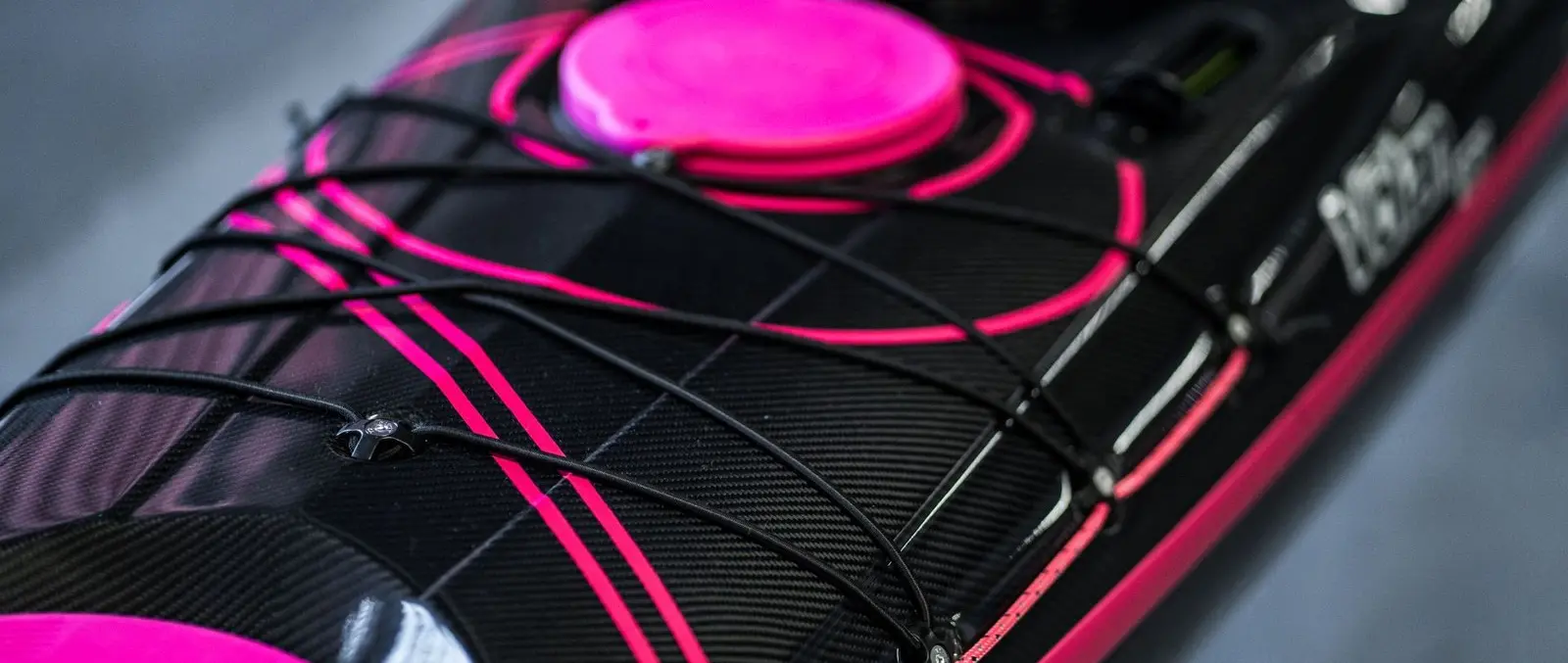
P&H Sea Kayaks has brought three custom composite examples to the 2026 Paddle Sports Show in Strasbourg, inviting visitors to explore how they might configure a boat of their own. The manufacturer has used the display to demonstrate colours and finishes associated with its specialist sea-kayak range, rather than introducing a single entirely new hull. Visitors to stand B10 were offered the opportunity to experiment with a custom design during the event.
Personalisation is attractive in paddlesports because owners often develop a close relationship with equipment used repeatedly over many years. Yet a striking finish should not obscure the underlying requirements for a well-fitting and appropriately designed craft. The correct hull volume, cockpit arrangement and intended use need to be established before cosmetic decisions.
What composite construction can offer
Composite sea kayaks typically use layers of reinforcing materials and resin in a moulded structure, offering opportunities for refined shapes and relatively low weight. P&H has a long history in this market, with different models aimed at expedition touring and more playful coastal handling. Such materials can create attractive finishes but need the correct repair method if damaged.
Compared with some rotomoulded plastic craft, a composite hull may have different responses to abrasion, impact and repeated contact with rocky landings. Buyers should discuss the lay-up options and maintenance obligations with the manufacturer. There is no universal construction that is best for every beach, tidal environment or level of experience.
A custom boat still needs a careful fitting
Sea kayaks depend on a close connection between the paddler's body and the hull, particularly during edging, turns and recovery manoeuvres. Seating, foot supports, deck height and cockpit fit can vary significantly among models and sizes. A customer should sit in the chosen design wearing typical paddling clothing and verify that an emergency exit remains possible.
Deck fittings and hatch access also deserve attention. An attractive boat may still be unsuitable for multi-day outings if the paddler cannot access essential equipment or store it securely. Waterproof compartments should be examined, and the effects of loading on handling should be understood before a custom order is finalised.
Showroom design is only one stage
A custom finish may involve colours, graphics or materials chosen from options approved by the manufacturer. It is important to distinguish those choices from structural modifications, which may not be offered or may affect warranty and delivery requirements. Customers should request a written specification showing exactly what will be supplied and what changes, if any, are permitted after ordering.
The event's promotional material mentions three custom composite displays and a design opportunity, not a promise that every imaginable colour or feature can be produced at the same price. Prospective owners should discuss lead times and deposit conditions directly with P&H or an authorised dealer.
Why design involvement appeals to paddlers
A kayak is often a highly personal possession, used for short morning outings as well as more ambitious journeys. Choosing a finish can reinforce that connection, and a distinctive hull may be easier to identify at a club or launch site. Good visibility on the water, however, depends on conditions and suitable safety equipment rather than paint colour alone.
The Strasbourg display is a reminder that the experience of buying a small craft can include thoughtful choices about fit, construction and appearance. P&H's announcement does not replace the need for an on-water demonstration or instruction. The most successful custom boat will be one whose handling and practical arrangement satisfy its owner long after the novelty of a new finish has faded.