
A new stage for Performance Sailcraft's Magic
Performance Sailcraft says its Magic dinghy-access programme has entered a new stage, with a launch in Australia, planned expansion to more European markets and discussions about opening the system to other boat and marine-equipment manufacturers. The announcement was issued on the company's European website on 5 November 2026. Magic combines a rental-payment arrangement with a choice at the end of the term: acquire the boat, change into another model or hand it back. It is being promoted as a way to make new sailing equipment available with a smaller initial outlay.
The underlying issue is familiar to sailing clubs and families. A new dinghy can be a significant purchase, particularly when a young sailor is changing classes or a training club needs several boats at once. Performance Sailcraft is trying to address that barrier through the structure of the transaction rather than a claim that new boats have become cheaper to manufacture. The distinction matters: a smaller payment at the beginning does not automatically mean a lower total cost, and sailors should examine the full schedule before making any commitment.
From a UK launch to Australia
The company says Magic began operating in the United Kingdom earlier in 2026 and has now been introduced in Australia, one of Performance Sailcraft's established markets. Additional European rollouts are expected, although the November statement does not provide a confirmed starting date, eligibility rules or partner network for each prospective country. The announcement is therefore evidence of a real Australian launch and a stated international plan, not proof that sailors in every European nation can use the same product immediately.
Performance Sailcraft has a long association with competitive small-boat sailing, including ILCA and other dinghy classes, and its global sales structure helps explain the choice of initial markets. Australia has an extensive club-sailing culture and a history of producing accomplished sailors, while British clubs form an established customer base for training and racing dinghies. The programme's reception in those markets may indicate whether the model can work beyond the company's own fleet, but no independently audited uptake figures were included in the announcement.
How the payment structure works
The official release describes an initial rental payment followed by twenty-four monthly payments without interest. At the end of the arrangement, the customer may pay a predetermined residual amount to purchase the boat, trade into another model or return it. These are three genuinely different outcomes, and a sailor should understand the consequences of each before signing. An arrangement framed as rental with a purchase option should not be described automatically as an ordinary loan or a direct purchase paid in twenty-five instalments.
The advertised headline is an initial cash requirement approximately seventy percent below the full price of buying a new boat outright. That applies to the payment at the start, not a seventy-percent saving on the total value of the boat. The company says the model also supports structured management of the asset and defined choices when the term ends. Customers considering the scheme should ask for the complete contract, including eligibility, insurance, maintenance responsibility, condition standards and the rules governing return or upgrade.
A worked example from the manufacturer
Performance Sailcraft supplies a specific British example involving a Pico dinghy with trolley. The stated recommended price is £4,352.63 including VAT. Under the illustrated Magic arrangement, the customer initially pays £1,305.79, then twenty-four instalments of £116.07, followed by an optional final amount of £261.16 to own the boat. The initial payment represents about thirty percent of the listed price. These exact numbers are useful because they make the company's financing description testable rather than relying solely on marketing language.
The arithmetic is straightforward: the initial £1,305.79 plus twenty-four payments of £116.07 totals £4,091.47 before the final decision. Adding the optional £261.16 purchase payment produces £4,352.63, matching the example's stated retail price. That does not establish that every boat, customer or country receives identical terms. It also does not resolve contractual questions such as damage, ownership during rental or early termination. The example is best viewed as an illustration of how the announced programme is structured, with any current quotation and applicable terms checked independently.
A route for parents supporting young sailors
The company describes an example of a family using Magic while a child moved from an Optimist dinghy to an ILCA 4. The parent, Nigel Evans, had been considering a second-hand purchase but chose a new boat through the programme, according to the release. This is an individual customer account supplied by the manufacturer, not a representative survey of all scheme users. It nevertheless captures a genuine dilemma in youth sailing: choosing between initial affordability and equipment that is ready for the demands of a different class.
Moving into a new class can involve more than the price of a bare hull. Families may need new sails, spars, a trolley, covers, transport arrangements and appropriate training, depending on what is included in the particular package. A clear bundle can help reduce uncertainty, while the ability to decide later whether to keep or replace a boat may suit a sailor whose ambitions are evolving. The actual value depends on the full deal, the child's likely progression and the local second-hand market, not simply the convenience of spreading payments.
What the scheme could mean for clubs
Sailing clubs, schools and watersports centres often face a different challenge from individual buyers. They may need multiple boats to provide regular courses, replace an ageing training fleet or introduce a new class, but paying the whole capital cost at once can limit the number acquired. Performance Sailcraft says Magic allows clubs to spread expenditure and includes an approach to managing equipment through its working life. Its announcement suggests that the initial cash needed for three new boats can be less than the full outright purchase price of one.
That comparison concerns cash required at the start; it does not mean three boats cost less than one after all payments have been made. Club committees should evaluate the recurring obligations against budgets, storage capacity, instruction schedules and maintenance resources. They should also clarify what happens to heavily used training boats at the end of the rental term. If the programme is managed well, it could help a club make more modern equipment available sooner, but the commercial effect will differ between large year-round operations and small volunteer-run organisations.
An invitation to other manufacturers
The most significant new element in the November announcement may be Magic's proposed expansion beyond Performance Sailcraft products. The company says discussions have begun with other dinghy makers, marine-equipment manufacturers and class associations about joining the platform. That would turn an offer built around one manufacturer's boats into a broader commercial service if agreements are concluded. It is important to distinguish conversations from completed partnerships: the statement does not identify a comprehensive list of outside brands already selling through Magic.
Chairman Nick Ogden presents the platform as a way to reduce barriers to access across sailing and marine activities, not simply promote one model of dinghy. The eventual result could give clubs and individual buyers a choice of equipment under a more consistent payment structure. However, each category has different depreciation, servicing and safety characteristics. A sail, trolley or engine cannot automatically be treated as financially equivalent to a complete dinghy, so a larger platform would need suitable contracts and valuation methods for the products it supports.
Ownership, upgrade and return are different choices
The three choices at the end of the term deserve close scrutiny. Paying the stated residual means moving from rental to ownership, while trading into another boat may appeal to a developing sailor or club refreshing its fleet. Returning the boat could reduce the obligation to keep equipment that is no longer suitable, but its practical conditions matter. The company's release outlines the choices without supplying every rule about inspections, wear, repairs or the treatment of optional accessories.
A purchaser can sensibly compare Magic with a normal outright purchase, a conventional loan and the local market for used dinghies. Those alternatives have different cash requirements, ownership rights and ongoing responsibilities. The manufacturer's published Pico calculation provides a useful starting point, but the correct choice depends on household or club finances and the likelihood of keeping the boat. Buyers should obtain the current written terms in their own country before relying on a headline about interest-free payments or a reduced initial outlay.
Performance Sailcraft's wider product setting
Performance Sailcraft manufactures a range of boats aimed at different stages of sailing, from training and family use to one-design competition. The company lists ILCA, Rascal, Pico, Bahia, Vago, Bug and Heritage offerings among its current ranges. Its corporate website describes operations and sales extending across many countries, providing a backdrop for the Magic programme's international plans. The range matters because a payment system becomes more useful when it can accommodate changes in experience and the type of sailing a customer intends to pursue.
The programme sits alongside the manufacturer's more conventional business of making and selling boats. That relationship creates opportunities, but also means customers should understand which organisation manufactures the equipment, which administers the rental payments and who handles any warranty or service concern. Performance Sailcraft identifies the Magic company as the financial-technology platform and its own operation as a principal route to the boats. Clear division of responsibilities will be particularly important if more independent manufacturers eventually participate.
What to watch as Magic expands
For the rest of 2026 and into 2027, the key developments will be the availability of confirmed terms in additional markets and the announcement of any outside brands that formally join. Performance Sailcraft describes Australia as launched and further European expansion as expected. It also says discussions with other manufacturers are under way. Those statements should not be inflated into a claim that every proposed partnership has been signed or that the programme already operates worldwide under identical consumer protections.
The company's release is notable because it treats access to modern equipment as a practical participation issue for sailing, rather than concentrating only on new designs and racing results. A scheme that changes the timing of payments may help some sailors and clubs obtain a suitable boat sooner, provided obligations remain transparent. Its long-term effect will be determined by real customer use, responsible asset management and the quality of the available boats. The verified news today is a wider international rollout and a clearly described invitation for other marine businesses to take part.
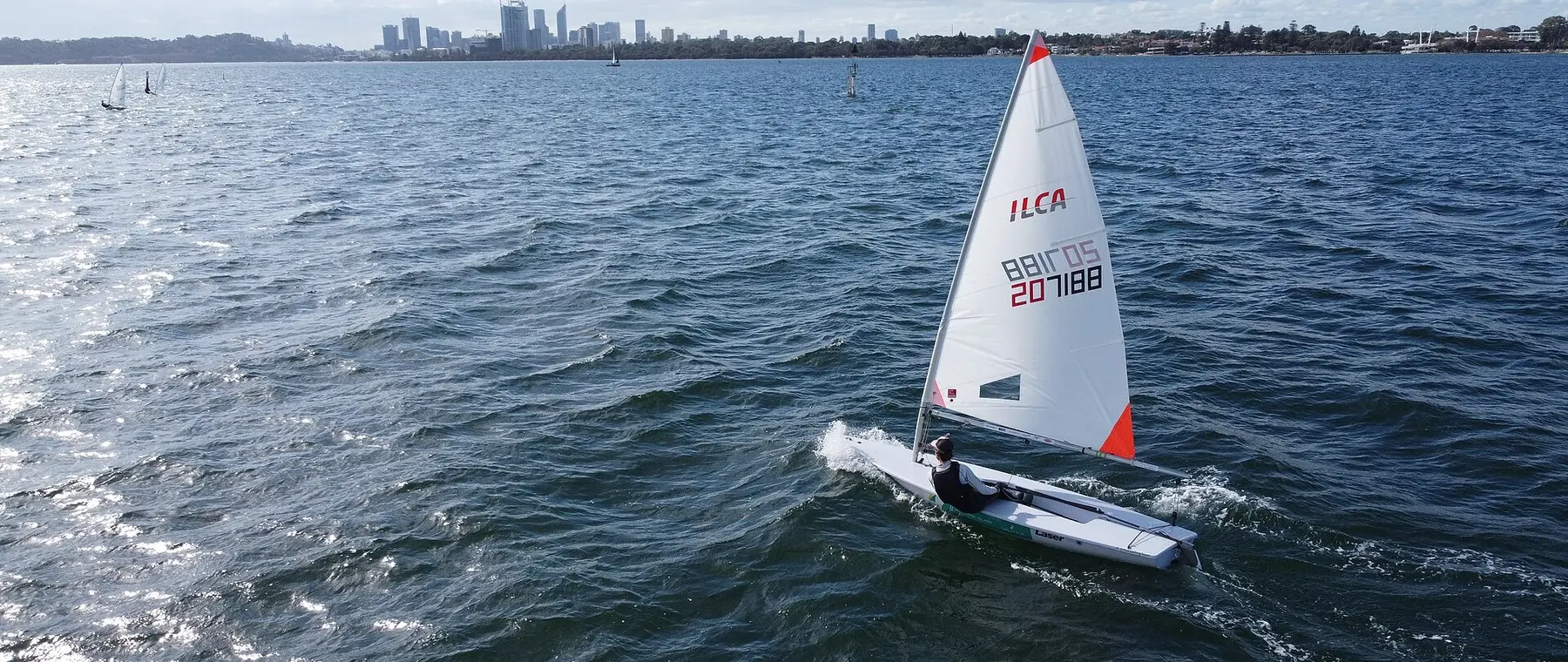
Image credit: JamesBromberger / Wikimedia Commons, CC0 public-domain dedication — licence. Illustrative photograph; resized for presentation.

Source: Performance Sailcraft Europe official release, 5 November 2026.