
Pennsylvania’s winter safety rule is active
Pennsylvania's annual cold-weather lifejacket requirement is back in force for the 2026–27 season, and it applies to many of the smallest craft used by anglers, paddlers and recreational boaters. The Pennsylvania Fish and Boat Commission reminded water users on 30 October that the seasonal period began on 1 November. From then until 30 April, people covered by the rule must wear an approved lifejacket, whether their boat is moving or lying at anchor. The requirement is already active; it is not a proposal awaiting a decision.
The distinction between carrying flotation equipment and wearing it matters especially on a short trip. A lifejacket stored under a seat may meet a general carriage rule but cannot support someone who falls unexpectedly into very cold water. The commission's message is about immediate protection when a mishap leaves little time to find or put on equipment. Anyone planning a fishing session, a paddle or a brief run across a lake should check the seasonal rule before leaving shore.
Which boats and paddlers are covered
The Pennsylvania requirement covers boats shorter than 16 feet, equivalent to approximately 4.88 metres, and also applies to anyone aboard a kayak, canoe or paddleboard. The small-boat threshold and the explicit inclusion of these paddlecraft are the key details for Leisure Boat Guide readers. A longer powered boat is not automatically brought under this specific seasonal provision by the under-16-foot wording, although other safety and equipment laws may still apply. The safest approach is to read the state's exact current regulations for the craft and activity concerned.
The agency states that the lifejacket must be approved by the United States Coast Guard and worn while underway or at anchor. That wording leaves no general exemption simply because a paddler is close to the bank, a motorboat is drifting quietly, or a fishing boat has stopped to work a promising spot. Operators should make sure every passenger knows what is required before boarding. Visitors travelling from another state should not assume their home-water rules are identical to Pennsylvania's.
Why the dates matter
The window runs from 1 November to 30 April each year, covering late autumn, winter and the early part of spring. Those dates are simple enough to put on a boating calendar, but their purpose is more important than the reminder itself. Pennsylvania rivers, reservoirs and lakes can remain cold long after an unseasonably warm day makes the air feel pleasant. Boaters deciding whether to launch need to assess water temperature and their ability to recover from immersion, not just the sunshine or the reading on a car dashboard.
The requirement applies across Pennsylvania waters, according to the commission's 30 October notice. It therefore concerns inland recreational outings as well as anglers using small craft and paddlers exploring quieter reaches. A launch location with shelter from the wind can still lead into colder, exposed water farther along the route. Seasonal planning should include suitable clothing, flotation equipment fitted before departure, a realistic turnaround point and a way of summoning help if conditions change.
Cold-water shock can begin immediately
The commission identifies sudden cold-water immersion as a central hazard. The first response can involve an involuntary gasp, uncontrolled breathing and rapid panic, potentially causing someone to inhale water before they have time to think clearly. A person wearing a properly fitted lifejacket has a better prospect of keeping their airway above the surface during those opening moments. The device does not prevent hypothermia or remove the need for rescue, but it addresses a dangerous part of the emergency that starts almost at once.
That immediate reaction explains why the rule focuses on wearing rather than merely having a jacket available. A confident swimmer may still struggle to coordinate breathing and movement after an unexpected capsize or fall. Falling in with boots, layers or fishing clothing can also make self-rescue awkward. Boaters should rehearse a realistic plan for returning aboard or reaching safety, but should never make their flotation decision depend on the assumption that they will be able to swim normally.
A small boat can become an emergency quickly
Open skiffs, small fishing boats and narrow paddlecraft are practical, affordable ways to reach the water, yet they leave occupants close to changing conditions. A wake, snagged line, shifting load or mistaken step can upset balance without warning. The Pennsylvania rule does not suggest that these craft are inherently unsafe; it recognises that the consequence of immersion becomes more serious during the cold months. Carrying less equipment and travelling a shorter distance do not eliminate exposure if a boat capsizes away from a safe landing.
For a small motorboat, preparation includes a sound hull, secure fuel system, suitable anchor arrangement and a charged means of communication. Paddlers need an appropriate craft for the route, clothing selected for immersion rather than air temperature and an understanding of wind conditions on the return leg. These checks complement the lifejacket requirement rather than replace it. When travelling with children or less experienced companions, the skipper or trip leader should explain how to remain with the craft and call for help.
Fit and approval are not interchangeable
A lifejacket should be the correct size for the wearer, properly fastened and in serviceable condition. The rule's reference to United States Coast Guard approval is a regulatory condition, not a generic invitation to use any buoyancy product sold elsewhere. Labels and approval categories should be checked before an outing, particularly when equipment has been bought overseas. A jacket that rides up over the chin, has damaged straps or cannot be secured reliably may provide much less useful support than expected.
Foam jackets and inflatable designs have different maintenance and suitability considerations. Users of inflatable equipment should follow the manufacturer's instructions on cylinders, activation mechanisms and servicing; paddlers should select devices appropriate to their activity and rescue circumstances. Passengers should try jackets on over the layers they will actually wear in cold weather, moving their arms and checking the fit before casting off. Correct fit is especially important for children, whose jackets must be selected for current weight and size rather than expected growth.
The commission points to fatality patterns
In its seasonal reminder, the Pennsylvania Fish and Boat Commission says that nearly four in five boating fatalities recorded in state accident reports involved people who were not wearing lifejackets. That figure is presented by the agency as part of its safety message and should not be read as proof that every accident had the same cause. The commission also reports a marked reduction in the proportion of cold-season boating incidents that resulted in fatalities since the seasonal wear law was introduced in 2012.
Those observations reinforce a familiar safety principle: flotation protection is useful only when it can work during the emergency. They do not make cold-water trips risk-free, nor do they replace weather judgement, seamanship, sound equipment and a reliable communications plan. A boater can meet the letter of a lifejacket requirement and still face a hazardous situation through poor route choice or late return. The strongest safety approach treats the law as a minimum foundation for thoughtful preparation.
Anglers and ice-fishers should take notice
Pennsylvania specifically addresses anglers in its announcement, including those fishing from kayaks and small boats. A sheltered fishing cove can encourage people to remove protective gear while concentrating on tackle, even though changing position to land a fish or free a line may be precisely when balance is disturbed. The agency's seasonal requirement applies at anchor as well as underway, so stopping to fish does not by itself create a break from the wearing obligation for covered craft.
The commission goes a step further with advice for people who intend to ice-fish during winter. It recommends wearing a lifejacket as protection if someone unexpectedly goes through ice. Ice conditions demand their own specialised assessment and safety precautions; a jacket does not certify that frozen water is safe to walk on. The wider message is that proximity to cold water remains significant even when the activity appears stationary. Anglers should review conditions and local access guidance each time, rather than rely on the familiarity of a favourite spot.
Prepare for rescue before launching
A sensible cold-season trip plan begins with an honest appraisal of the route, the people aboard and the time available. Tell someone ashore where the boat is going, when it should return and whom to contact if it becomes overdue. Check forecasts, warnings and local water conditions shortly before departure, then keep enough margin to return in daylight where possible. In exposed or remote areas, a means of calling for help that remains accessible after capsize may be as important as one stored safely in a dry locker.
Agree beforehand what passengers should do if somebody enters the water. Depending on the craft, that may mean keeping sight of the person, securing propulsion, avoiding a dangerous approach with a propeller and using suitable recovery equipment. Cold-water exposure can affect breathing, strength and coordination, so improvising under pressure is difficult. None of these suggestions substitutes for formal instruction or the official state rule; they are practical layers of preparation for the small-craft community that the seasonal requirement is designed to protect.
What visiting boaters should check now
For anyone launching in Pennsylvania between now and 30 April 2027, the first question is whether their craft falls under the seasonal wear provision. If the vessel is under 16 feet or the outing uses a kayak, canoe or paddleboard, the commission's announcement gives a clear starting point: wear a United States Coast Guard-approved lifejacket while underway or at anchor. Carrying a jacket without putting it on is not enough for those covered by the measure. Confirm current rules directly with the Pennsylvania Fish and Boat Commission before travelling.
The notice is also a useful reminder for boaters elsewhere, but the Pennsylvania dates and thresholds must not be presented as universal law. Rules differ across states and countries, and local authorities may specify separate requirements for children, personal watercraft, water-skiing or hazardous conditions. The agency's 2026 message is straightforward: cold water can turn an ordinary outing into an emergency rapidly, and protection needs to be in place from the start. That is the key takeaway for a safer winter on small boats.
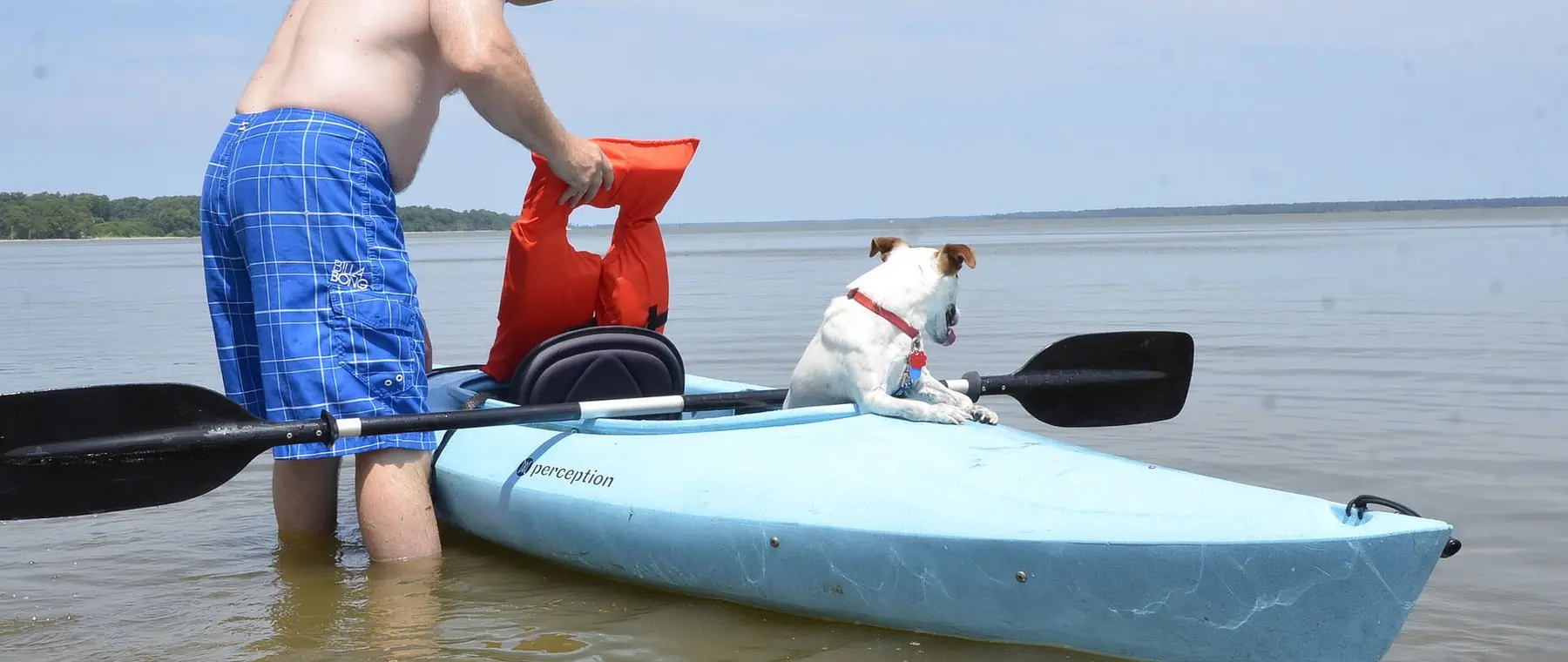
Image credit: Virginia State Parks / Wikimedia Commons, CC BY 2.0 — licence. Illustrative photograph; resized for presentation.

Source: Pennsylvania Fish and Boat Commission, 30 October 2026.